Eternal Flame
Tashkent, Uzbekistan
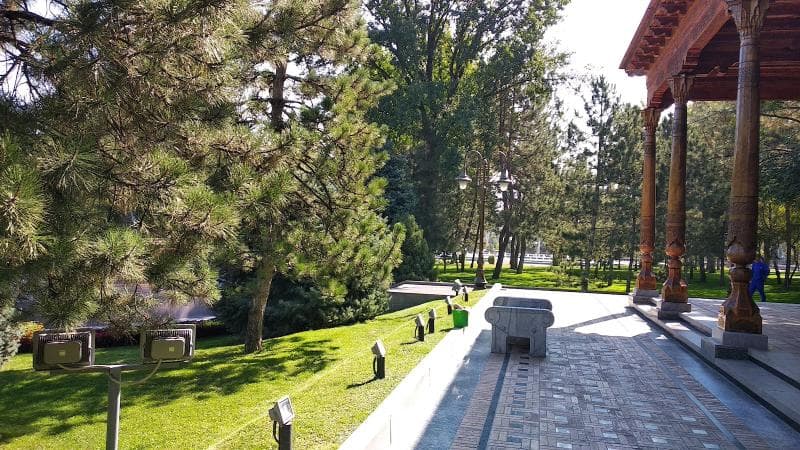
Explore Tashkent's Eternal Flame in Independence Square, a poignant memorial honoring Uzbek soldiers who perished in World War II. A place of deep historical and cultural significance.
Overview
Tucked away within the expansive and historic Independence Square (Mustaqillik Maydoni) in Tashkent, Uzbekistan, lies a profoundly moving tribute: the Eternal Flame. More than just a landmark, this hallowed sub-spot serves as the heart of the Memorial and Honour Square (Xotira maydoni), dedicated to the hundreds of thousands of Uzbek soldiers who bravely sacrificed their lives during World War II, also known as the Great Patriotic War. It is a place of solemn remembrance, where the flicker of an unending flame and the poignant gaze of a sculptural figure invite quiet contemplation, making it an essential stop for any traveler seeking to understand Uzbekistan's deep history and the profound human cost of global conflicts.
The Eternal Flame is not merely a historical marker; it is a living symbol of national gratitude and the enduring memory of those who never returned. Its presence in the capital's central square underlines the nation's respect for its past and its heroes. Visitors will find themselves drawn into a reflective atmosphere, surrounded by elements designed to evoke both sorrow and profound respect for the sacrifices made.
History & Cultural Background
The memorial, featuring the Eternal Flame and the accompanying 'Mourning Mother' monument, was established in 1999. It replaced or significantly re-envisioned earlier Soviet-era war memorials, aligning with newly independent Uzbekistan's desire to honor its specific contributions and losses during World War II.
Uzbekistan, then part of the Soviet Union, played a crucial role in the war effort. While no battlefronts reached Uzbek territory, an astounding 1.4 million Uzbeks fought in the Red Army, and tragically, over 400,000 of them perished or went missing in action. The republic also became a vital industrial and agricultural hub, relocating factories and accepting hundreds of thousands of evacuees from war-torn western regions, including many children who found new homes here. This rich, yet somber, history forms the bedrock of the memorial's significance, transforming the site into a tangible link between modern Uzbekistan and its wartime generation. The creation of the 'Mourning Mother' figure further personalized the monument, focusing on the universal grief of families who lost loved ones, a sentiment deeply resonant within Uzbek culture.
What Makes It Special
The Eternal Flame's immediate visual impact is profound, with the flame burning day and night as a perpetual vigil for the fallen. Its central position within the Memorial and Honour Square guides visitors towards the 'Mourning Mother' monument, a powerful sculpture depicting a grieving woman, her head covered, crouched in sorrow. This figure embodies the collective anguish of mothers and families who endured immense loss.
Beyond these central elements, the memorial features an 'Alley of Memory' with long corridors adorned with intricately carved wooden pillars. Within these galleries, visitors will discover brass plaques and stone tablets bearing the names of the Uzbek soldiers who died in the war. These names are meticulously organized, with each of Uzbekistan's 14 regions having its own alcove, making the memorial deeply personal and allowing families to find and honor their ancestors.
Stories, Fun Facts & Local Details
The Eternal Flame and the 'Mourning Mother' are integral to Uzbekistan's national memory, particularly on May 9th, observed as the 'Day of Memory and Honour'. On this significant day, locals and officials gather at the square to lay flowers and pay tribute to the courage and sacrifice of the soldiers. It is a tradition that underscores the enduring respect for veterans and the victims of the war.
Another endearing local tradition sees newlyweds visiting the Memorial and Honour Square on their wedding day. This symbolic act serves to honor the past and to begin their new life together with a gesture of respect for those who ensured their peaceful future. This blend of solemn remembrance and the celebration of new beginnings adds a unique emotional layer to the site, highlighting its continuous role in the fabric of Uzbek society. The flame, fueled by Uzbekistan's ample gas reserves, is indeed intended to burn for eternity, symbolizing an unending respect.
Visitor Perspective
Visiting the Eternal Flame offers a moment of quiet reflection amidst the vibrant energy of Tashkent. The area is designed for contemplation, with beautifully landscaped gardens providing a serene backdrop. It's a place to pause, to absorb the historical gravity, and to appreciate the peace that was hard-won by previous generations.
The memorial's proximity to other significant landmarks within Independence Square makes it easy to incorporate into a wider exploration of central Tashkent. While visually striking, its true power lies in the emotions it evokes and the stories it tells – of sacrifice, resilience, and the enduring human spirit. It is a profoundly moving experience, offering visitors a unique window into Uzbekistan's soul and its collective memory.
Coordinates: 69.2691254, 41.3157867
View on Google Maps💬 How Travelers Describe This Place
Based on community votes
Photogenic
826Unique
800Must See
589Interesting
387Beautiful
90
Traveler Stories
Discover memorable experiences shared by travelers who have visited this place.
No traveler stories yet.
Be the first traveler to share what made this place memorable.

Tour
By
Spot
Discover amazing places around the world. Your journey starts here.
Explore
© 2026 TourBySpot. All rights reserved.