Española Way
Miami, United States
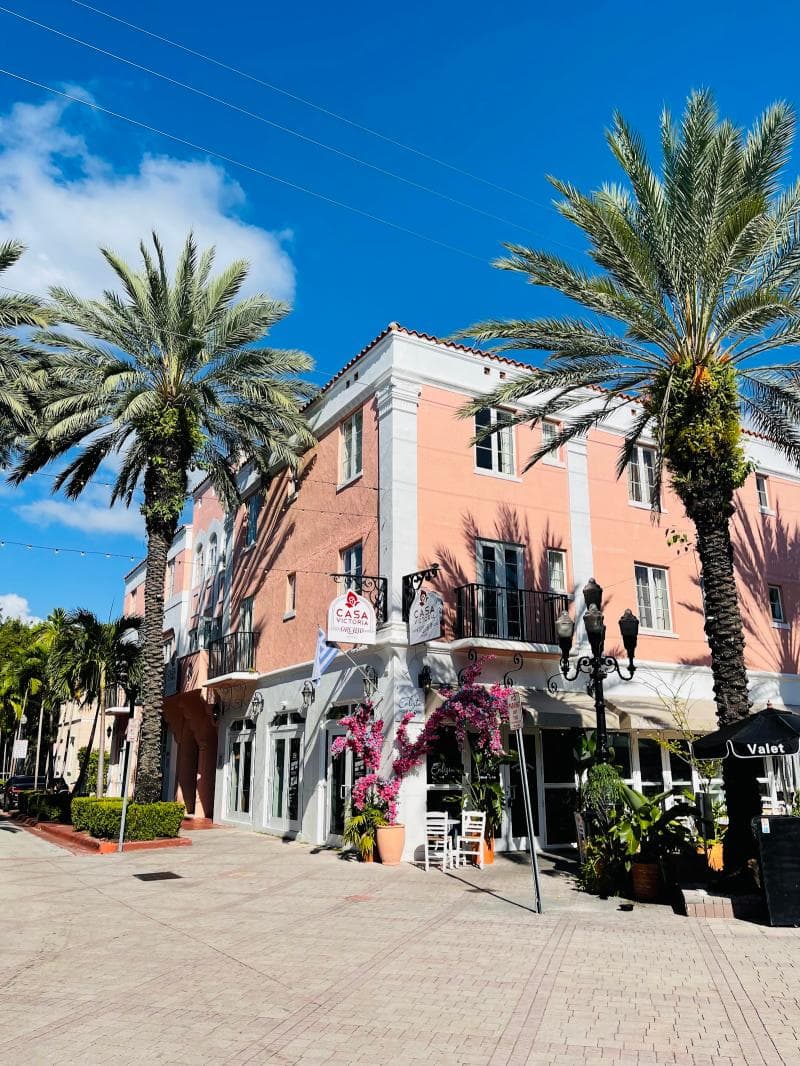
Discover Española Way in South Beach, Miami, United States – a charming pedestrian street with Mediterranean flair, vibrant dining, and rich history.
Overview
Tucked away in the vibrant heart of South Beach, Miami, Española Way is a captivating pedestrian street that offers a delightful escape into an Old World charm. This picturesque two-block corridor, stretching between Washington and Pennsylvania Avenues, and between 14th and 15th Streets, immediately transports visitors to a romantic Mediterranean village. Its distinctive architecture features pastel-colored stucco buildings, red tile roofs, and wrought-iron balconies, all beautifully illuminated by twinkling string lights overhead. Española Way is renowned as a lively hub for dining, entertainment, and leisurely strolls, presenting a unique contrast to the modern Art Deco landscape of South Beach.
History & Cultural Background
The story of Española Way began in the early 1920s, a visionary project by developers N.B.T. Roney and William Whitman, with architect Robert Taylor bringing their concept to life. Initially known as 'The Spanish Village' or 'Whitman's Spanish Colony,' the street was conceived as a bohemian artists' colony, aiming to mirror the eclectic atmosphere of New York's Greenwich Village or the artists' quarters in Paris. Its design drew inspiration from the charming coastal towns of Spain and France, such as San Sebastian, Fontarable, Biarritz, and Cannes, characterized by its Mediterranean Revival style.
In its early days, Española Way attracted Miami's high society, but it also gained a notorious reputation during the Prohibition era and the 1920s and '30s. It became a playground for infamous figures, including the gangster Al Capone, who was known to frequent the Clay Hotel for gambling. By the 1970s, the area had fallen into disrepair. However, a significant revitalization effort in the 1980s, championed by preservationists like Linda Polansky and Barbara Capitman, began to restore its former glory. In 1986, the City of Miami Beach officially designated Española Way as a historic district, ensuring the preservation of its unique character. A more recent $2.5 million revitalization project in May 2017 further enhanced its appeal, transforming it into the pedestrian-only thoroughfare it is today.
What Makes It Special
What truly sets Española Way apart is its distinctive pedestrian-only design and its immersive Old World ambiance. Unlike much of South Beach, it offers a tangible connection to a romantic bygone era, with its cobblestone-like paths and architectural details. The street is a culinary haven, boasting a remarkable concentration of diverse restaurants offering authentic Spanish, Italian, Cuban, Mexican, and French cuisines. Many establishments feature inviting outdoor sidewalk seating, where diners can savor their meals under the stars or enjoy people-watching. Live music, from flamenco performances to salsa dancing, often fills the air, adding to the vibrant cultural experience. Beyond dining, Española Way is home to unique boutiques and art galleries, offering one-of-a-kind finds and showcasing local artistic talent, further reflecting its original vision as an artists' colony.
Stories, Fun Facts & Local Details
- Española Way was one of Miami Beach's first commercial developments.
- The Clay Hotel, a historic landmark on Española Way, was a known haunt for Al Capone during his time in Miami.
- The street has served as a picturesque backdrop for various film and television productions, including episodes of the iconic 'Miami Vice'.
- The recently renovated Esmé Miami Beach Hotel occupies several buildings that once belonged to the historic Clay Hotel. Its name, 'Esmé', means 'emerald', subtly referencing Española Way's past as a hidden gem and aspiring artists' colony.
- Many locals, particularly within Miami Beach's Latin community, frequently recommend Española Way as a must-visit destination for its authentic atmosphere, food, and entertainment.
Visitor Perspective
A visit to Española Way is an experience for the senses. By day, it offers a peaceful stroll, perfect for admiring the architecture, browsing unique shops, or enjoying a quiet coffee at a sidewalk cafe. As twilight descends, the street transforms into a magical setting. The strung lights begin to twinkle, live music drifts from open-air restaurants, and the aroma of diverse cuisines fills the air, creating an irresistibly lively and romantic atmosphere. It's an ideal spot for an evening of al fresco dining, enjoying a refreshing drink, or simply soaking in the vibrant energy and unique cultural fusion. Visitors often feel transported, finding themselves lingering longer than planned, captivated by the charm and authenticity that define this special corner of South Beach. Its pedestrian-friendly nature makes it easily explorable on foot, and its proximity to other South Beach attractions makes it a convenient and memorable addition to any itinerary.
Coordinates: -80.1342, 25.7868
View on Google Maps💬 How Travelers Describe This Place
Based on community votes
Photogenic
623Must See
363Interesting
302Beautiful
250Unique
88
Traveler Stories
Discover memorable experiences shared by travelers who have visited this place.
No traveler stories yet.
Be the first traveler to share what made this place memorable.

Tour
By
Spot
Discover amazing places around the world. Your journey starts here.
Explore
© 2026 TourBySpot. All rights reserved.