Enamel Exhibits
Geneva, Switzerland
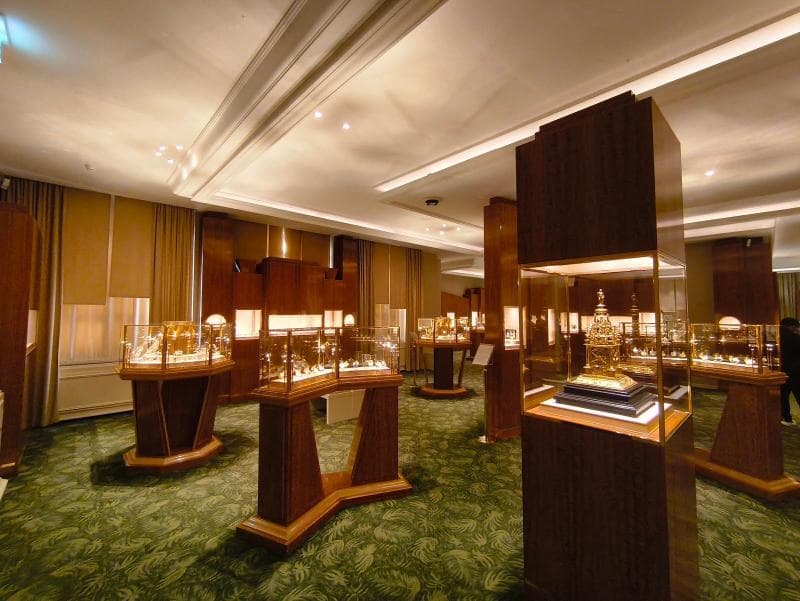
Explore the Patek Philippe Museum's Enamel Exhibits in Geneva, Switzerland, showcasing centuries of intricate enamel art and watchmaking. Discover historical techniques and masterpieces.
Overview
Within the prestigious Patek Philippe Museum in Geneva, Switzerland, lies a captivating sub-spot dedicated to the exquisite art of enamel. This collection, central to the museum's broader historical displays, offers visitors a rare glimpse into centuries of intricate craftsmanship, showcasing enamel miniature portraits, richly enameled pocket watches, and decorative objects. These exhibits span from the 16th to the 20th century, illustrating not only the evolution of timekeeping but also the profound artistic heritage of Geneva and Europe. The enamel pieces are an integral part of the museum's Antique Collection, which features masterpieces that have significantly shaped the history of horology.
History & Cultural Background
The art of enameling, a technique that fuses powdered glass to metal through intense heat, has roots tracing back millennia, with early examples found in ancient civilizations. However, Geneva emerged as a world-renowned center for this decorative art, particularly from the 17th century onwards. This flourishing was partly due to the influx of Huguenot artisans in the late 17th century, who significantly contributed to the development of watchmaking and related crafts in the city. Genevan artisans perfected techniques, notably applying a final layer of transparent fondant to grand feu enamel scenes, known as 'émaux de Genève'. This innovative method smoothed the surface and imparted remarkable brilliance and depth to the artwork. By the 18th and 19th centuries, the reputation of Geneva's master enamellers had spread across Europe and beyond, making their creations highly coveted.
What Makes It Special
The Enamel Exhibits at the Patek Philippe Museum are special because they highlight a labor-intensive and highly specialized art form that demanded immense skill, precision, and patience. Each piece represents a delicate balance between artistic vision and scientific understanding of materials. Visitors can observe a variety of enameling techniques, including champlevé, where patterns are carved into metal and filled with enamel; cloisonné, which uses fine wires to create cells for the enamel; grisaille, a monochrome technique creating contrasts through shades of grey; plique-à-jour, similar to cloisonné but without a metal backing, allowing light to pass through; and miniature painting, where vitreous enamel is painted directly onto a metal base. The 'grand feu' technique, involving firing at high temperatures (820-850 degrees Celsius), ensures vibrant, shimmering colors and a robust, almost unalterable finish. Patek Philippe, through its museum and 'Rare Handcrafts' initiatives, plays a crucial role in safeguarding these traditional skills, ensuring that this demanding art form continues to thrive for future generations.
Stories, Fun Facts & Local Details
Many of the enameled timepieces and objects in the museum tell stories through their intricate imagery. They often depict detailed landscapes, expressive portraits, and complex scenes, reflecting the cultural and artistic trends of their time. The 'Genève technique,' perfected in Geneva, allowed for a protective flux layer over miniature paintings, making watch cases more resistant to wear and enhancing their luster. This local innovation was vital for objects frequently handled, like pocket watches. The Patek Philippe Museum's extensive collection of miniature enamel portraits is a testament to the dedication of collectors like Philippe Stern, honorary president of the Manufacture, who assembled one of the world's most extraordinary watch collections with a passion for preserving these arts. Some of these enamel pieces are incredibly rare, with only a few hundred created over many decades, making the museum's collection a critical archive of this disappearing craft.
Visitor Perspective
A visit to the Enamel Exhibits within the Patek Philippe Museum is a journey through a microcosm of artistic and technical mastery. Travelers are invited to marvel at the minute details and vivid colors that remain remarkably preserved across centuries. Each enameled piece is a tiny canvas, reflecting human creativity and perseverance against the challenging medium of glass and fire. It offers an opportunity to appreciate the immense skill of the artisans who transformed raw materials into enduring works of art, often under the magnifier's gaze. The exhibits provide a deep understanding of why enamel art was so prized in horology and decorative arts, highlighting its ability to add unparalleled beauty and narrative to functional objects. It is an experience that underscores Geneva's enduring legacy as a crucible of fine craftsmanship and artistic innovation.
Coordinates: 6.13823169, 46.19844379
View on Google Maps💬 How Travelers Describe This Place
Based on community votes
Unique
998Photogenic
903Interesting
481Must See
472Beautiful
92
Traveler Stories
Discover memorable experiences shared by travelers who have visited this place.
No traveler stories yet.
Be the first traveler to share what made this place memorable.

Tour
By
Spot
Discover amazing places around the world. Your journey starts here.
Explore
© 2026 TourBySpot. All rights reserved.