Electric Town
Tokyo, Japan
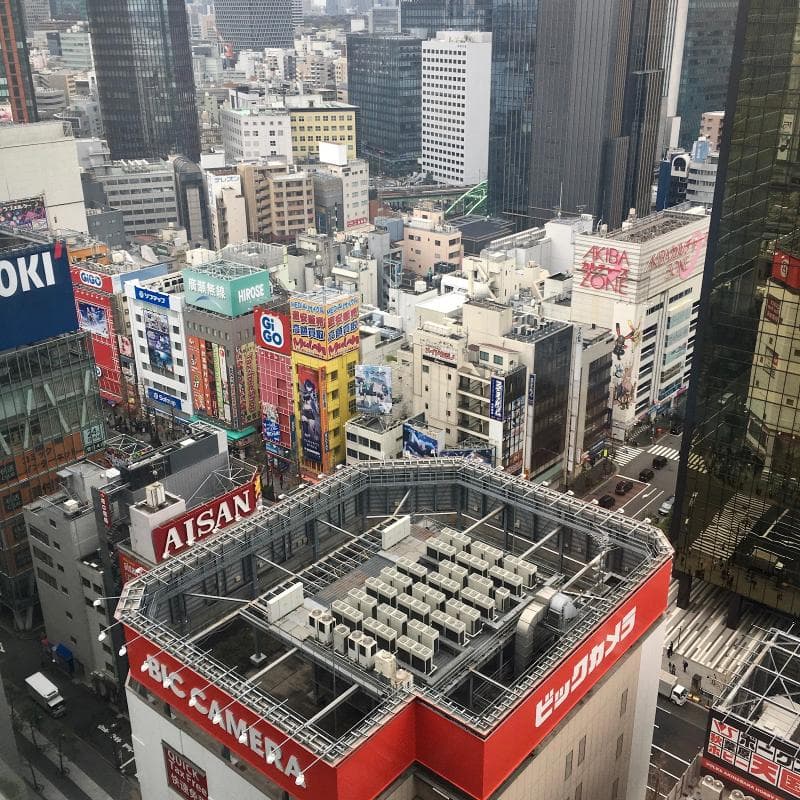
Explore Electric Town in Akihabara, Tokyo, Japan – a dynamic hub where cutting-edge electronics meet anime, manga, and gaming culture. Discover its unique history and vibrant scene.
Overview
Stepping into Akihabara's 'Electric Town' in Tokyo, Japan, is like entering a vibrant, futuristic dreamscape where the past and future of Japanese pop culture brilliantly collide. Often affectionately shortened to 'Akiba', this unique district has transformed from a post-war electronics market into a global mecca for anime, manga, video games, and cutting-edge technology.
The streets here pulse with neon lights, multi-story buildings adorned with colorful character art, and the rhythmic sounds of arcade games. It is a place where you can find everything from the latest gadgets and computer components to rare anime collectibles and themed cafes. Electric Town is a sensory overload in the most delightful way, inviting curious travelers to explore its endless fascinations.
History & Cultural Background
The origins of Akihabara date back further than its electric moniker suggests. The name 'Akihabara' itself is a shortening of 'Akibagahara', referencing 'Akiba', a deity associated with a fire-controlling shrine built after a devastating fire in 1869. Following World War II, the area began its journey as a bustling black market, specifically for radio parts and electronic components. This period laid the groundwork for its eventual fame as 'Electric Town'.
During Japan's rapid economic growth in the 1960s, Akihabara became the go-to place for household electronics like televisions and washing machines, symbolizing Japanese prosperity. The 1970s saw a shift towards computers, and by the 1980s, the rise of video games like the Famicom (Nintendo Entertainment System) began to draw a new demographic. This evolution continued through the 1990s with the internet's growth, solidifying Akihabara's status as a hub for 'otaku' culture, encompassing anime, manga, and gaming.
What Makes It Special
Electric Town's undeniable charm lies in its unique fusion of technology and 'otaku' culture. It is a place where towering electronics retailers, such as Yodobashi Camera, stand alongside specialized shops dedicated to anime figures, manga, and retro video games.
A stroll down its main thoroughfare, Chuo-dori, especially when it becomes a pedestrian paradise on Sundays, reveals a concentration of shops selling everything from cutting-edge tech to obscure collectibles. Beyond shopping, Akihabara is also famous for its themed cafes, most notably the maid cafes where waitresses dressed as maids serve 'masters' or 'mistresses', offering a distinctly Japanese entertainment experience. Arcades, like those operated by SEGA or Taito Station, offer a lively atmosphere for gaming enthusiasts.
Stories, Fun Facts & Local Details
Akihabara is a treasure trove of quirks and interesting facts. The district is the birthplace of the globally popular idol group AKB48, which derives its name from Akihabara, and their dedicated theater remains a pilgrimage site for fans.
Another fascinating detail is the Kanda Myojin Shrine, an ancient Shinto shrine dating back nearly 1,300 years, located surprisingly close to the neon bustle. It offers a peaceful contrast and even sells talismans to protect electrical items. For those with a keen eye, the side streets of Akihabara are where many hidden gems reside, from niche specialty shops selling rare electronic components to stores dedicated to vintage game software, some of which are decades old and in pristine condition.
The concept of 'otaku', often translated as 'geek' or 'fan', finds its proudest expression here. Unlike Western connotations, in Akihabara, being an 'otaku' is a cultural identity embraced with enthusiasm, celebrating deep passions for specific subcultures.
Visitor Perspective
For a curious traveler, Akihabara offers an immersive dive into Japanese modernity and subculture. Navigating the district is relatively easy, particularly around Akihabara Station, which is served by several train lines. Many stores cater to international visitors, sometimes offering tax-free shopping and multilingual support.
Weekdays and early mornings are generally less crowded, while Sundays transform Chuo-dori into a pedestrian-only zone, providing a unique opportunity to wander freely amidst the shops and street performers. Even if you're not a die-hard fan of anime or electronics, the sheer energy, visual spectacle, and cultural uniqueness of Electric Town make it a compelling destination. It is a place to discover, observe, and experience a truly distinctive facet of Tokyo's identity.
Coordinates: 139.7737, 35.6982
View on Google Maps💬 How Travelers Describe This Place
Based on community votes
Photogenic
964Unique
926Beautiful
646Interesting
482Must See
380
Traveler Stories
Discover memorable experiences shared by travelers who have visited this place.
No traveler stories yet.
Be the first traveler to share what made this place memorable.

Tour
By
Spot
Discover amazing places around the world. Your journey starts here.
Explore
© 2026 TourBySpot. All rights reserved.