Eiffel Tower
Paris, France
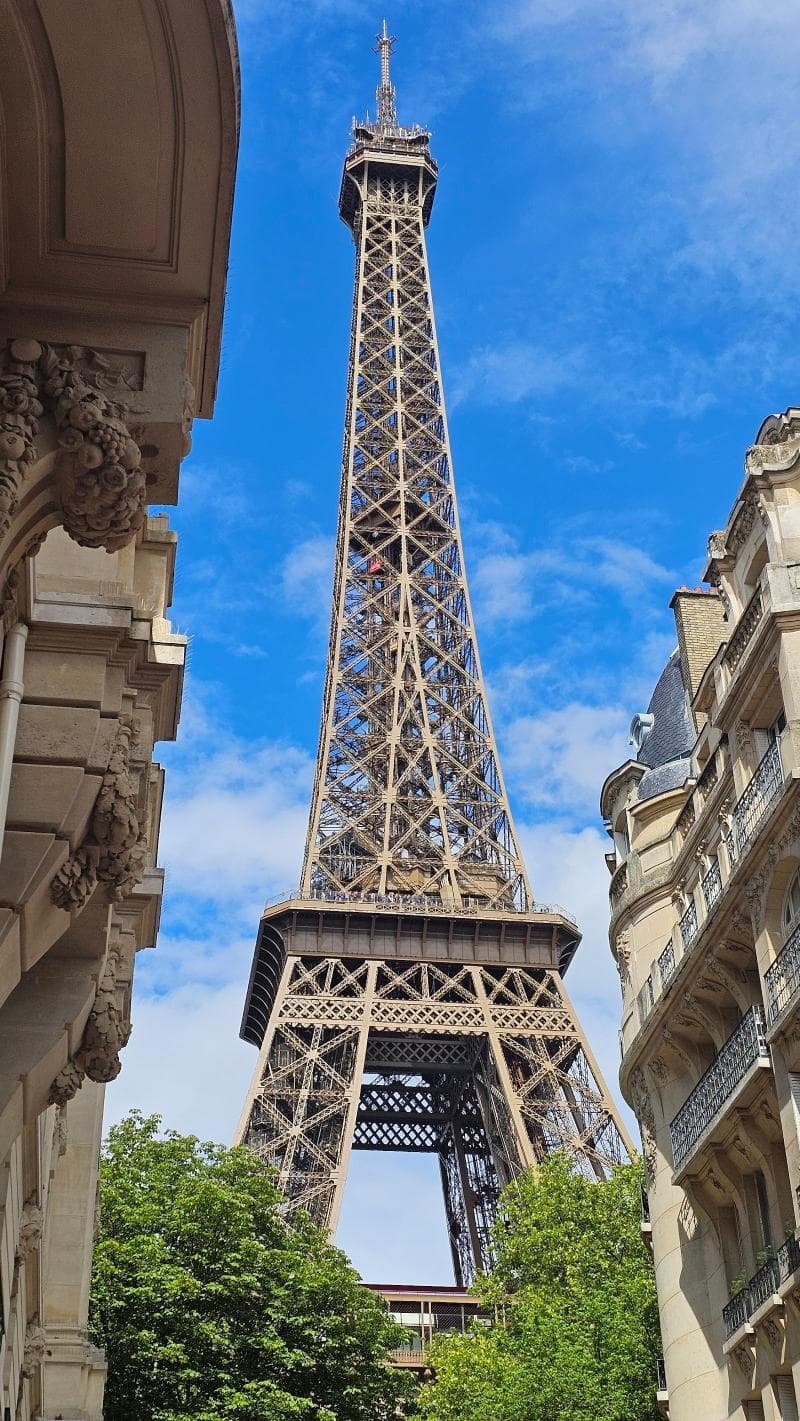
Discover the Eiffel Tower in Paris, France: an iconic symbol of French ingenuity, romance, and an unparalleled engineering marvel.
Overview
The Eiffel Tower, a magnificent wrought-iron lattice tower, stands majestically on the Champ de Mars in Paris, France. Designed by the visionary engineer Gustave Eiffel and his company, it was originally conceived as the grand entrance arch for the 1889 World's Fair. What began as a temporary exhibit has transcended its initial purpose to become a quintessential global cultural icon and an enduring symbol of France's architectural and engineering brilliance. Reaching approximately 330 meters (1,083 feet) with its antenna, it proudly holds the title of the tallest structure in Paris. This 'Iron Lady,' as it is affectionately known, draws millions of visitors each year, making it one of the most visited paid monuments in the world.
History & Cultural Background
The construction of the Eiffel Tower was an extraordinary feat for its time, commencing in 1887 and remarkably completed in just two years, two months, and five days, ready for the opening of the 1889 World's Fair. This exposition commemorated the centennial of the French Revolution, making the tower a symbol of national progress and innovation. Despite its widespread admiration today, the project was met with considerable controversy during its inception, with many artists and intellectuals signing petitions against what they considered an unsightly 'monstrosity.' Gustave Eiffel, however, passionately defended his creation, which involved the assembly of 18,038 prefabricated metal parts using 2.5 million rivets by over 300 workers. Beyond its architectural significance, the tower has woven itself deeply into the fabric of French culture, representing national pride, romantic ideals, and creative spirit. Its resilience was notably showcased during World War II when French citizens sabotaged its elevator cables to prevent easy access by Nazi occupation forces, transforming it into a powerful symbol of defiance.
What Makes It Special
The Eiffel Tower is a beacon of 19th-century engineering, demonstrating the groundbreaking potential of metal construction. For 41 years after its completion, it stood as the world's tallest man-made structure, an impressive testament to human ingenuity. A unique characteristic of the tower is its dynamic height; composed of wrought iron, it expands in the summer heat and contracts in winter, leading to a natural variation in height of up to 15 cm (about 6 inches) annually. To safeguard its intricate ironwork from rust and maintain its iconic aesthetic, the tower undergoes a meticulous repainting every seven years. This monumental undertaking requires approximately 60 tons of paint and the dedicated effort of a specialized team of painters working entirely by hand. Over its history, the tower has sported various hues, including reddish-brown and yellow-ochre, before settling on its distinctive 'Eiffel Tower Brown.'
Stories, Fun Facts & Local Details
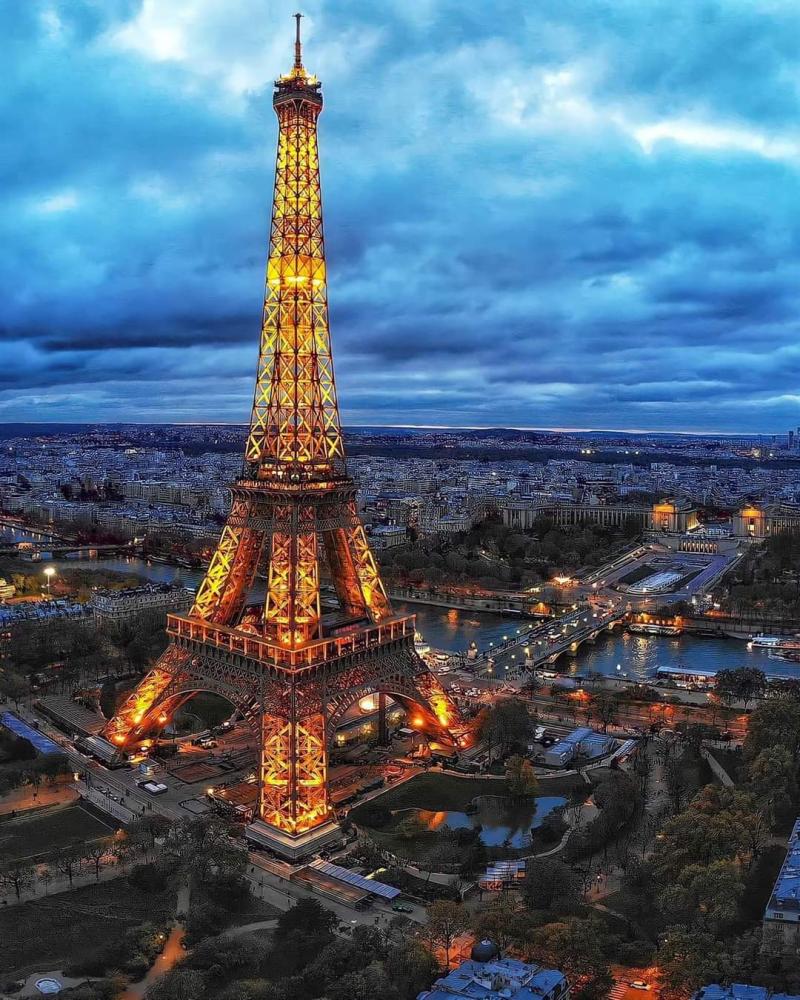
The Eiffel Tower is rich with captivating anecdotes and curious facts. During the 1889 World's Fair, the famed inventor Thomas Edison visited and, in a gesture of appreciation, presented Gustave Eiffel with a phonograph. A more audacious tale involves Victor Lustig, a notorious con artist who, in the 1920s, managed to 'sell' the Eiffel Tower for scrap metal not once, but twice, to unsuspecting dealers. Little known to many is the existence of Gustave Eiffel's private apartment at the very summit, a secluded retreat he used for personal reflection and to host distinguished guests. Furthermore, the tower once housed Paris's smallest post office, adding a touch of local charm. Its powerful radio transmitters, installed after its intended temporary lifespan was extended, proved pivotal during World War I by intercepting German communications, thus contributing to key strategic victories. After dusk, the tower transforms into a dazzling spectacle with a five-minute sparkling light show that illuminates its structure every hour on the hour, a romantic addition since 1985.
Visitor Perspective
A visit to the Eiffel Tower promises an unforgettable journey, whether you choose to experience its grandeur by day or bask in its illuminated glory at night. Visitors have the option to ascend to its three accessible levels via convenient elevators or, for a more immersive experience, climb the stairs to the first and second floors. The climb to the second floor alone involves over 600 steps, offering unique close-up views of the tower's intricate iron lattice. The first floor boasts a transparent glass floor, offering a thrilling sensation of walking above Paris, alongside shops and dining options. On the second floor, the acclaimed Jules Verne restaurant provides a fine dining experience with breathtaking panoramic views of the city. For those reaching the very summit, a champagne bar awaits, offering the perfect opportunity to toast to the spectacular Parisian cityscape below. To ensure a smooth visit, especially during peak tourist seasons, it is highly recommended to book tickets in advance through the official website to minimize wait times. The tower generally operates daily, with extended hours during the summer months. A truly magical end to any Parisian day is to witness the tower's hourly light show from a vantage point like the Trocadéro.
Coordinates: 2.294481, 48.85837
View on Google Maps💬 How Travelers Describe This Place
Based on community votes
Photogenic
826Unique
800Must See
589Interesting
387Beautiful
90
Traveler Stories
Discover memorable experiences shared by travelers who have visited this place.
No traveler stories yet.
Be the first traveler to share what made this place memorable.
Things to see at Eiffel Tower





Tour
By
Spot
Discover amazing places around the world. Your journey starts here.
Explore
© 2026 TourBySpot. All rights reserved.