Egyptian Hall
Odessa, Ukraine
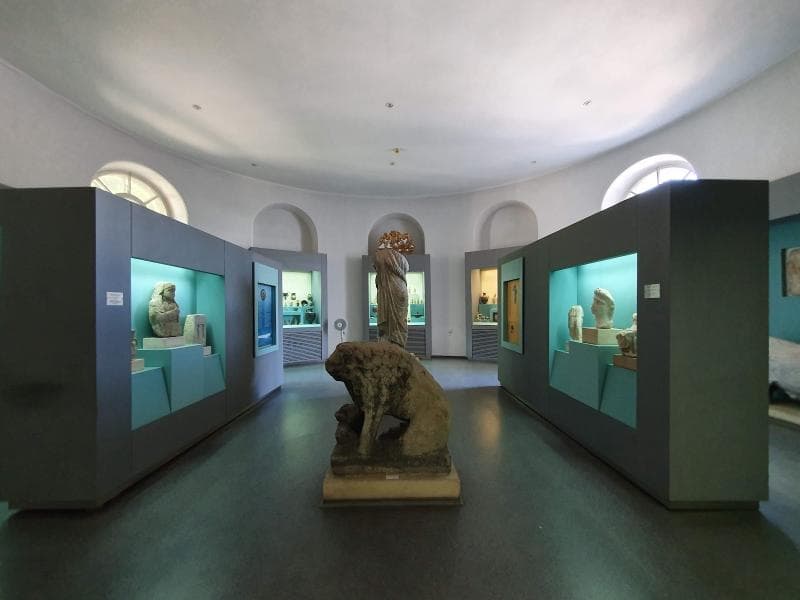
Discover the ancient wonders of the Egyptian Hall at the Odessa Archaeological Museum, Ukraine. Explore mummies, sarcophagi, and rare artifacts from millennia of Egyptian history.
Overview
Step into a realm of ancient wonders at the Egyptian Hall, a captivating sub-spot within the esteemed Odessa Archaeological Museum in Odessa, Ukraine. This dedicated exhibition houses the largest and oldest collection of ancient Egyptian monuments in Ukraine, a truly remarkable cultural treasure far from the Nile's banks. Boasting approximately 800 objects, the collection spans a vast timeline, from the pre-dynastic period through the Ptolemaic era, offering a comprehensive glimpse into millennia of Egyptian civilization. For any curious traveler exploring Ukraine, the Egyptian Hall provides an unexpected and profound connection to one of history's most enduring cultures. It stands as a testament to Odessa's rich heritage as a crossroads of civilizations, where Black Sea antiquities meet the mysteries of the pharaohs.
History & Cultural Background
The story of the Egyptian Hall begins with the Odessa Archaeological Museum itself, founded in 1825 as the 'Odessa City Museum of Antiquities' by Ivan Blaramberg. Blaramberg's initial donations formed the nucleus of the museum's impressive collections, including some of the first Egyptian artifacts. Over the 19th century, the Egyptian collection grew significantly, thanks to the concerted efforts of many individuals who, though not necessarily Egyptology specialists, possessed a deep interest in ancient Egyptian history and culture. Acquisitions were made through careful purchases and scholarly exchanges, bringing these exotic treasures to the Black Sea coast. Notably, some antiquities were even transferred from the ancient tombs of Deir el-Bahari in Luxor, Egypt, directly connecting Odessa to the heart of Egyptian archaeological discovery. The museum's stately neoclassical building, completed in 1883 by Polish architect Feliks Gąsiorowski, provides a grand setting for these ancient relics, reflecting the city's ambition to be a center of learning and discovery.
What Makes It Special
What truly sets the Egyptian Hall apart is its unique status: it represents the only collection of ancient Egyptian monuments in all of Ukraine, and historically, it was regarded as one of the most valuable collections of its kind in the former Soviet Union, surpassed only by the Hermitage and Pushkin State Museum. The sheer diversity of artifacts is astonishing, offering a holistic view of ancient Egyptian life, religion, and funerary practices. Visitors can marvel at intricately decorated stone and wooden coffins, actual human and animal mummies, and delicate papyri. The collection further includes a wide array of funerary furniture, bronze statues depicting deities like Osiris, and practical items such as canopic pots, jewelry, and even fragments of ancient clothing, sandals, and textiles. From inscribed stelae to amulets and scarabs, every artifact tells a story, making the Egyptian Hall an unparalleled resource for understanding every facet of this profound civilization.
Stories, Fun Facts & Local Details
The presence of such an extensive Egyptian collection in Odessa creates a fascinating and 'unexpected link between two very distant ancient worlds'—the vibrant port city on the Black Sea and the timeless civilization along the Nile. This juxtaposition is part of its charm, encouraging visitors to ponder the historical connections and the journeys these artifacts undertook to reach Ukraine. A curious detail outside the museum's main entrance is a replica of the famous ancient Greek Laocoon sculpture group, providing an intriguing classical counterpoint to the Egyptian treasures held within. Beyond its display function, the Odessa Archaeological Museum plays an active role in research, with its team constantly engaged in excavations. This ongoing scientific work ensures that the museum's collection is not static; it is regularly enriched with new and exciting exhibits, offering repeat visitors something new to discover.
Visitor Perspective
Visiting the Egyptian Hall offers a profound journey through time and across cultures. The Odessa Archaeological Museum is conveniently located at 4 Lanzheronivska Street, in the very heart of Odessa, making it easily accessible on foot from many of the city's other central landmarks, including Primorsky Boulevard and the Opera Theatre. As you wander through the exhibits, you'll feel the weight of history and the allure of ancient mysteries. Plan ample time for your visit, and wear comfortable shoes, as there's a considerable amount to explore within the museum's halls. It's an experience that blends historical enlightenment with cultural immersion, providing both an intellectual retreat and a memorable historical adventure for every traveler.
Coordinates: 30.743972, 46.485036
View on Google Maps💬 How Travelers Describe This Place
Based on community votes
Interesting
747Unique
399Photogenic
302Must See
182Beautiful
76
Traveler Stories
Discover memorable experiences shared by travelers who have visited this place.
No traveler stories yet.
Be the first traveler to share what made this place memorable.

Tour
By
Spot
Discover amazing places around the world. Your journey starts here.
Explore
© 2026 TourBySpot. All rights reserved.