Edmond Dantès Cell
Marseille, France
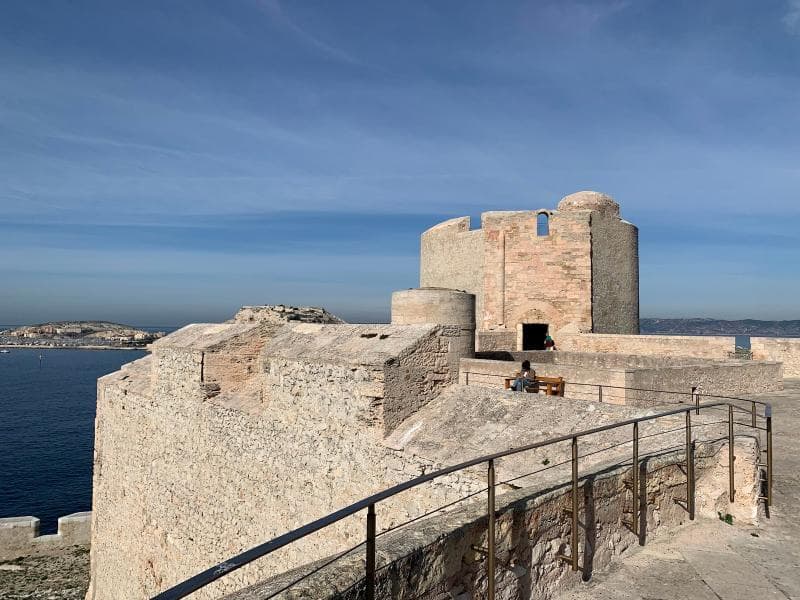
Explore the historic Edmond Dantès Cell at Château d'If in Marseille, France, immortalized by 'The Count of Monte Cristo'. Discover its unique history and literary fame.
Overview
Perched dramatically on a rocky islet just off the bustling coast of Marseille, France, lies the formidable Château d'If. More than just a historic fortress, this island stronghold gained immortal fame as the setting for Alexandre Dumas' classic novel, 'The Count of Monte Cristo'. Within its ancient walls, visitors can explore the legendary Edmond Dantès Cell, a poignant sub-spot that captures the imagination and brings one of literature's greatest tales to life. This cell, though a tribute to a fictional character, offers a tangible link to a world of vengeance, escape, and enduring hope, making it a must-visit for travelers drawn to history, literature, and the allure of the Mediterranean.
History & Cultural Background
The Château d'If was originally constructed between 1524 and 1531 by King Francis I, not as a prison, but as a strategic sea fortress to defend Marseille's coastline from invaders. Its imposing presence was meant to deter attacks, and remarkably, it was never actually breached by hostile forces. However, due to its isolated location and the treacherous offshore currents, the château quickly transitioned into a high-security state prison starting in the late 16th century.
Over the centuries, Château d'If became a dreaded holding place for political and religious prisoners, including Protestants (Huguenots) and republicans, whom the authorities wished to silence and forget. The conditions varied greatly; wealthier prisoners could afford more comfortable cells with windows, while the less fortunate were confined to dark, damp, windowless dungeons, where survival was often measured in weeks. This history of incarceration, filled with real tales of despair and resilience, set the perfect stage for Dumas' timeless narrative.
What Makes It Special
What truly distinguishes the Edmond Dantès Cell within Château d'If is its unique blend of historical authenticity and literary enchantment. While Edmond Dantès himself was a creation of Alexandre Dumas' genius, the prison's stark reality provided a vivid canvas for his fictional suffering and eventual triumph. The château cleverly embraces this literary heritage, dedicating a specific cell to Dantès, allowing visitors to step directly into the world of 'The Count of Monte Cristo'.
The 'Edmond Dantès Cell' is not merely a signposted room; it is a meticulously crafted representation that brings the novel's pivotal moments to life. It symbolizes the resilience of the human spirit against unimaginable odds, a tale of wrongful imprisonment and an epic escape that has captivated readers for generations. This fusion of genuine historical setting with a universally beloved fictional narrative creates an experience that transcends a typical historical site visit, offering a deeply emotional and imaginative journey.
Stories, Fun Facts & Local Details
The legend of Edmond Dantès, though fictional, is inextricably linked to Château d'If. According to Dumas' tale, Dantès was a young, innocent sailor falsely accused and condemned to lifelong imprisonment in the château. During his fourteen years of incarceration, he befriends an old Abbé Faria, a fellow prisoner, who teaches him languages, history, and science, and reveals the location of a vast treasure. After the Abbé's death, Dantès famously escapes by taking the place of his deceased mentor in a burial sack, which is then thrown into the sea, allowing him to swim to freedom.
While no one is known to have successfully escaped Château d'If in reality, the Dantès story adds an irresistible layer of drama and intrigue. Visitors to the Edmond Dantès Cell can still see a recreated tunnel, supposedly dug by Dantès to connect with Abbé Faria's cell, a tangible nod to the ingenuity and desperation depicted in the novel. A curious historical footnote mentions that the island was once a temporary home to a rhinoceros, a gift from Portugal to Pope Leo X, proving the island held a certain exotic allure even before Dumas' pen transformed it into a literary icon.
Visitor Perspective
Visiting the Edmond Dantès Cell is an immersive journey into the heart of a literary masterpiece. The adventure begins with a scenic boat ride from Marseille's Old Port, offering breathtaking views of the city as you approach the isolated island fortress. As you explore the château, the chill of the stone walls and the echoes of past lives evoke a powerful sense of history. Stepping into the Edmond Dantès Cell, one can almost feel the weight of his unjust imprisonment and the burning desire for freedom and revenge.
The experience is thoughtfully curated, often featuring interpretive displays and historical context that deepen the connection between the real prison and Dumas' fictional world. From the ramparts of Château d'If, visitors are treated to stunning panoramic views of Marseille and the shimmering Mediterranean Sea, a stark contrast to the grim reality faced by its former inhabitants. It's an emotional visit that leaves a lasting impression, blending historical reflection with the profound power of storytelling.
Coordinates: 5.325139, 43.279861
View on Google Maps💬 How Travelers Describe This Place
Based on community votes
Beautiful
950Must See
858Unique
287Interesting
231Photogenic
86
Traveler Stories
Discover memorable experiences shared by travelers who have visited this place.
No traveler stories yet.
Be the first traveler to share what made this place memorable.

Tour
By
Spot
Discover amazing places around the world. Your journey starts here.
Explore
© 2026 TourBySpot. All rights reserved.