Ebisu Bridge
Osaka, Japan
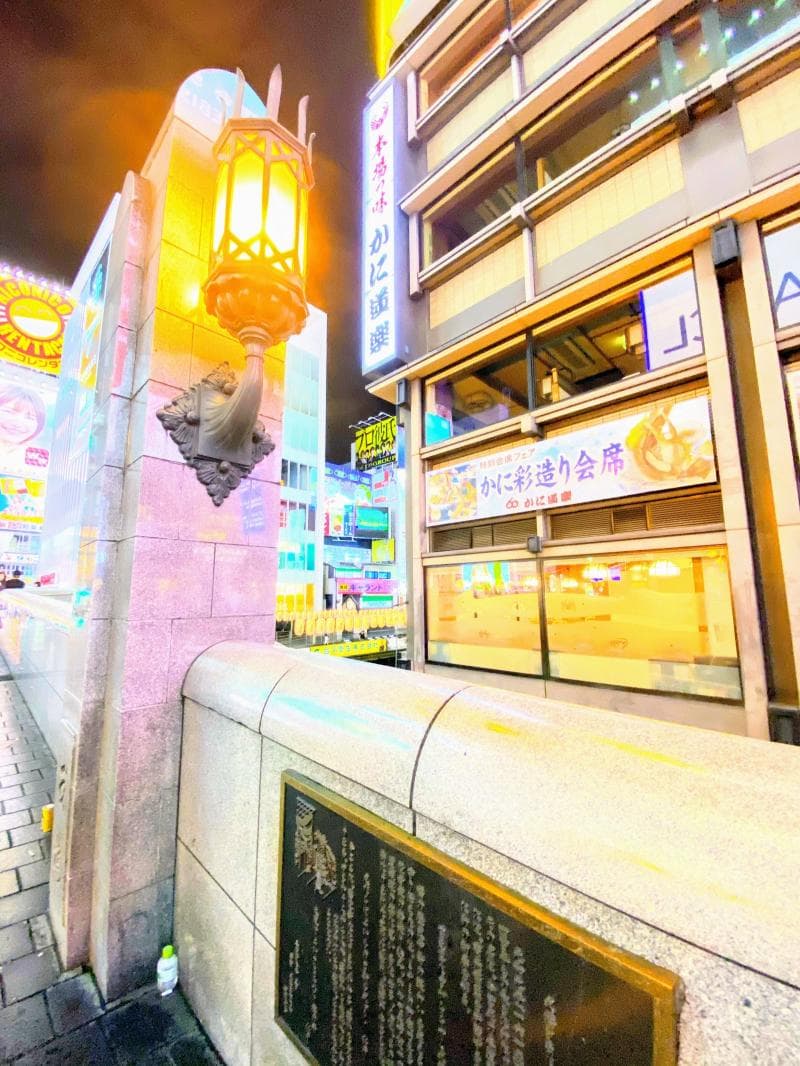
Explore Ebisu Bridge in Dotonbori, Osaka, Japan – the iconic heart of Dotonbori, offering stunning views of the Glico Man sign, rich history, and vibrant nightlife.
Overview
Ebisu Bridge stands as an iconic landmark in the vibrant heart of Osaka's Dotonbori district, Japan. This pedestrian bridge is renowned for offering the most spectacular views of the famous Glico Running Man sign, a glowing symbol that has become synonymous with Osaka itself. More than just a crossing over the Dotonbori River, Ebisu Bridge serves as a pulsating social hub and a premier photo hotspot, drawing countless visitors daily to soak in the electric energy of this neon-lit quarter. It acts as a vital link, connecting the bustling Shinsaibashi-suji and Ebisubashi-suji shopping districts, making it a central point for both locals and tourists exploring the Minami area.
History & Cultural Background
The origins of Ebisu Bridge trace back to the Edo period, with its initial construction reportedly coinciding with the excavation of the Dotonbori River around 1615. Its name is believed to derive from its function as an approach to the historic Imamiya Ebisu Shrine, a significant cultural site established around 600 AD, and also reflects Ebisu, the Japanese god of commerce and prosperity. Over its long history, the bridge has undergone numerous repairs and reconstructions, with some sources indicating it has been rebuilt as many as thirteen times to accommodate Osaka's growth and modernization. Notable transformations include its conversion to a steel bridge in 1878 and a reinforced concrete arch bridge in 1925. The current iteration, a pedestrian-only structure, was completed in 2007 as a result of a design competition part of the Dotonbori Riverfront Development Project, aiming to integrate the bridge as the 'navel' of Osaka's lively Minami area. Historically, it was also known by the name 'Ayatsuribashi' or 'Puppet Bridge', a nod to the puppet theater booths that once graced its vicinity. Reflecting its lively social character, the bridge earned the playful nickname 'Hikkake-bashi', meaning 'pick-up bridge', suggesting its long-standing role as a place for social encounters and connections.
What Makes It Special
Ebisu Bridge's undeniable allure primarily stems from its prime location directly facing the iconic Glico Running Man sign. This vintage neon advertisement, illuminating Dotonbori since 1935, depicts a stylized runner with arms raised in a victory pose and has become one of Japan's most recognizable symbols. The current LED version, installed in October 2014, often features dynamic backgrounds showcasing Osaka's landmarks, further enhancing its visual appeal. The bridge offers an unparalleled vantage point to witness Dotonbori's pulsating urban energy. As evening descends, the area transforms into a spectacular display of countless illuminated signs and neon lights that reflect mesmerizingly on the Dotonbori Canal, creating a truly immersive experience. It's a natural meeting point, a place where the confluence of vibrant street life, diverse eateries, and entertainment venues creates an atmosphere of continuous celebration. The bridge's pedestrian-only design allows visitors to linger, absorb the surroundings, and capture the perfect photograph without the interruption of vehicular traffic.
Stories, Fun Facts & Local Details
A cherished tradition for visitors to Ebisu Bridge is to mimic the famous Glico Running Man's victory pose, striking the same energetic stance for a memorable photo opportunity against the backdrop of the illuminated sign. This pose is rooted in Glico's original marketing concept, suggesting that one piece of their caramel candy provides enough energy to run 300 meters. The bridge is also intertwined with a unique piece of local lore: the 'Curse of the Colonel'. Following the Hanshin Tigers' championship victory in 1985, jubilant fans would jump into the Dotonbori River from the bridge. In their enthusiasm to find someone resembling American star player Randy Bass, they famously threw a statue of Colonel Sanders from a nearby KFC into the river, initiating a 'curse' that was believed to prevent the team from winning another championship until the statue was recovered. While often a place of joyous celebration, during significant events or victories, the bridge sometimes sees exuberant fans jumping into the river, an act that occasionally makes headlines. The bridge's informal moniker, 'Hikkake-bashi', or 'pick-up bridge', hints at its long-standing social role beyond mere transit, where people have traditionally gathered to meet and mingle.
Visitor Perspective
For travelers, Ebisu Bridge provides an essential and unforgettable Osaka experience. It is widely considered the best spot for capturing photographs of the iconic Glico Man sign, especially after sunset when the area bursts to life with a kaleidoscope of lights. The pedestrian design encourages a leisurely pace, allowing visitors to pause, look up at the towering signboards, and appreciate the canal slicing through downtown Osaka. From the bridge, one can also watch the serene Dotonbori River cruises glide underneath, offering a different perspective of the bustling district. Being at the epicenter of Dotonbori, the bridge grants direct access to an endless array of restaurants, street food vendors, karaoke bars, and shops that embody Osaka's reputation as Japan's 'kitchen'. While the vibrant energy is a major draw, visitors should be prepared for significant crowds, particularly during evenings and on weekends. Visiting at different times of the day can offer varied experiences, from the lively daytime atmosphere to the dazzling nocturnal spectacle.
Coordinates: 135.50136, 34.66906
View on Google Maps💬 How Travelers Describe This Place
Based on community votes
Unique
953Must See
695Interesting
658Photogenic
69Beautiful
22
Traveler Stories
Discover memorable experiences shared by travelers who have visited this place.
No traveler stories yet.
Be the first traveler to share what made this place memorable.

Tour
By
Spot
Discover amazing places around the world. Your journey starts here.
Explore
© 2026 TourBySpot. All rights reserved.