Earth Hall & Giant Globe
London, United Kingdom
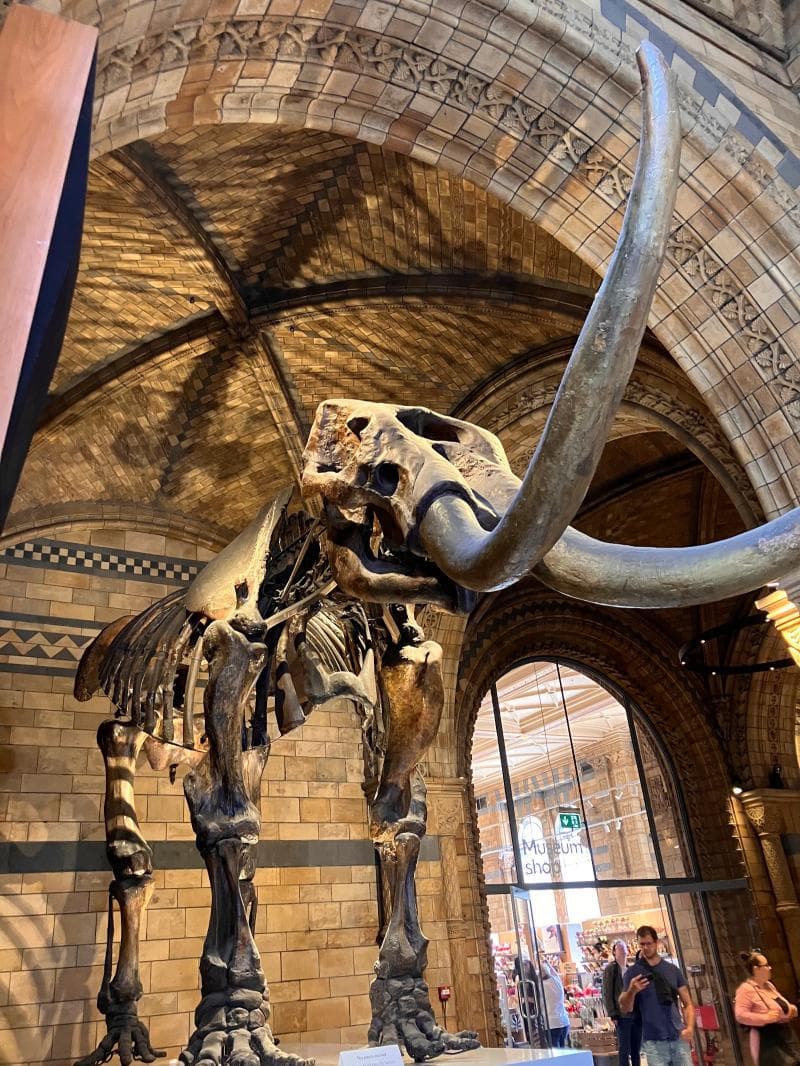
Explore London's Natural History Museum Earth Hall & Giant Globe, an immersive journey into Earth's geology, featuring a massive globe, ancient fossils, and interactive exhibits.
Overview
Stepping into the Earth Hall and encountering the colossal Giant Globe within London's Natural History Museum is like embarking on an epic journey through time and geology. This distinctive area, also known as the Earth Galleries, offers a modern and immersive experience, starkly contrasting with the museum's traditional Victorian architecture. It serves as a dynamic gateway to understanding our planet's intricate processes and rich history, inviting visitors to delve deep into Earth sciences. From the moment one enters, the sheer scale and innovative design captivate, setting the stage for an exploration of volcanoes, earthquakes, and the very composition of our world.
The centerpiece, a massive metallic globe, is more than just a sculpture; it is an interactive element through which visitors ascend via an escalator, creating the illusion of travelling to Earth's molten core. This imaginative approach transforms education into an adventure, revealing the forces that have shaped and continue to transform our planet over billions of years. The Earth Hall truly stands out as a unique space dedicated to celebrating Earth's geological wonders and the enduring scientific quest to comprehend them.
History & Cultural Background
The Earth Hall and its accompanying galleries opened in 1996, marking a significant evolution in how the Natural History Museum presented its geological collections. Prior to this, the museum's geological displays were largely presented in a more conventional, cabinet-style format. The creation of the Earth Galleries, with the Earth Hall as its dramatic entrance, was a strategic move to re-engage visitors with Earth sciences, offering a more interactive and visually stimulating experience.
This development was part of a broader re-imagining of the museum's exhibits, aiming to make complex scientific concepts accessible and exciting for a wider audience. The design itself, featuring 18-meter high slate walls etched with celestial maps, draws inspiration from humanity's ancient fascination with the cosmos and its connection to our home planet. It reflects a cultural shift towards integrating advanced technology and immersive design into museum exhibits, creating an environment where learning is an experiential journey rather than a passive observation. The Earth Hall thereby bridges the historical depth of the museum's collections with a contemporary approach to scientific storytelling.
What Makes It Special
The Earth Hall's undeniable 'wow' factor primarily stems from its architectural innovation and the spectacular Giant Globe. This colossal, internally illuminated sphere, through which an escalator dramatically ascends, simulates a descent into the Earth's fiery heart, an experience both educational and thrilling. It's a masterful blend of art and science, making abstract geological concepts tangible and exciting.
Beyond the globe, the hall's ambiance is profoundly unique. Eighteen-meter high slate walls, intricately etched with images of the night sky and planets, create a celestial canopy that envelops visitors, fostering a sense of wonder and connection to the broader cosmos. This immersive setting is further enhanced by carefully curated exhibits featuring remarkable specimens like moon rock, precious metals, and fluorescent minerals, showcasing Earth's diverse material wealth. The combination of grand design, interactive elements, and precious artifacts ensures that the Earth Hall is not merely a display space but a truly memorable destination.
Stories, Fun Facts & Local Details
One of the most captivating stories within the Earth Hall is told through a series of six bronze statues. These figures represent humanity's evolving understanding of Earth, from ancient mythological interpretations featuring gods and monsters to more modern scientific perspectives, including a spaceman and Atlas. Observing these statues provides a fascinating narrative of how our perception of the planet has shifted over millennia, inviting contemplation on the human relationship with the natural world.
A particularly impressive resident of the Earth Hall is 'Sophie', the most intact Stegosaurus fossil ever discovered, stretching almost six meters long. Her presence underscores the incredible prehistoric life that once roamed our planet and the rich palaeontological treasures housed within the museum. Visitors can marvel at this ancient creature, connecting directly with Earth's deep past. The hall also employs interactive displays and large video screens, a departure from traditional cabinet exhibits, ensuring that the stories of volcanoes, earthquakes, and rock formation are brought to life with visual and auditory impact. This commitment to engaging storytelling makes complex scientific topics accessible and enjoyable for all ages.
Visitor Perspective
For many visitors, the Earth Hall and Giant Globe offer an unforgettable entry into the Natural History Museum's Earth sciences. The experience is often described as feeling totally new and contemporary, a refreshing contrast to some of the more traditional galleries. The ascent through the glowing globe on the escalator is frequently highlighted as a definite 'wow' moment, often accompanied by visual and audio effects that deepen the immersive sensation.
This section of the museum is praised for its ability to engage visitors actively, moving beyond static displays to interactive exhibits that encourage learning about dynamic geological processes. It's a place where children and adults alike can explore the mysteries of our planet, from the formation of crystals and minerals to the immense power of tectonic forces. The Earth Hall successfully merges educational content with an awe-inspiring environment, making it a favorite for those eager to experience the Earth's story in a truly dramatic and captivating way. It stands as a testament to how museums can evolve to present scientific knowledge with both clarity and emotional resonance.
Coordinates: -0.17602, 51.49646
View on Google Maps💬 How Travelers Describe This Place
Based on community votes
Must See
872Beautiful
684Unique
363Interesting
250Photogenic
88
Traveler Stories
Discover memorable experiences shared by travelers who have visited this place.
No traveler stories yet.
Be the first traveler to share what made this place memorable.

Tour
By
Spot
Discover amazing places around the world. Your journey starts here.
Explore
© 2026 TourBySpot. All rights reserved.