Dry Fruit Section
Dushanbe, Tajikistan
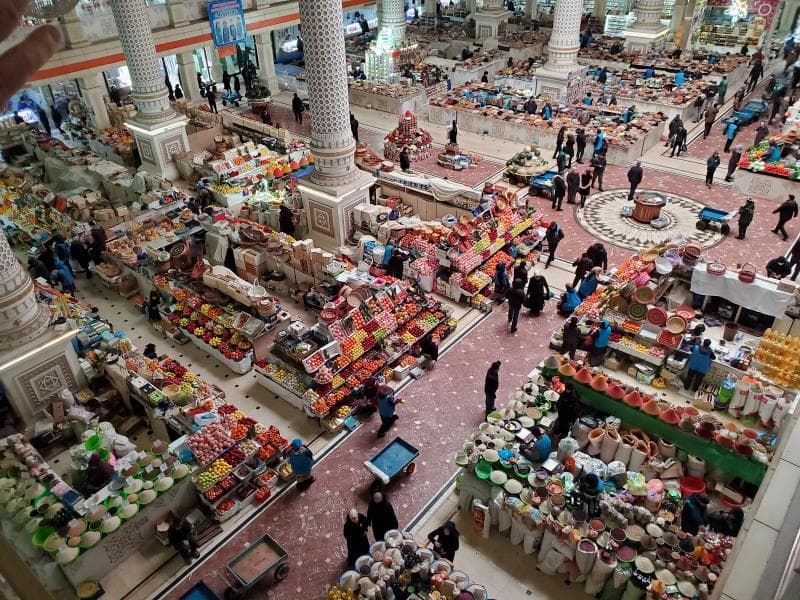
Discover the vibrant Dry Fruit Section of Mehrgon Market in Dushanbe, Tajikistan, a cultural hub for exquisite dried apricots, nuts, and traditional treats.
Overview
Stepping into the Dry Fruit Section of Mehrgon Market in Dushanbe, Tajikistan, is an immersion into a vibrant tapestry of Central Asian flavors and traditions. Mehrgon Market itself is a modern, three-story architectural marvel, often described as resembling a palace, that replaced older bazaars in 2014. It functions as a central hub for daily life and commerce in Dushanbe, offering everything from fresh produce to household goods. The Dry Fruit Section, however, holds a particularly special place, showcasing Tajikistan's rich agricultural bounty and the enduring legacy of the Silk Road. It's a place where the senses come alive with the aroma of sun-dried fruits and nuts, meticulously arranged in colorful, towering displays. This dedicated area within the market is a testament to the cultural significance and economic importance of dried fruits in the region, particularly the prized Tajik apricots.
History & Cultural Background
Bazaars have historically been, and continue to be, the heartbeat of Central Asian cities, and Dushanbe is no exception. The city's very name, translating to 'Monday,' traditionally signifies the primary trading day, underscoring the market's deep historical roots. Mehrgon Market, inaugurated in 2014, replaced the former Shohmansur 'Green' Bazaar, marking a transition towards a more structured and opulent trading space, while still embodying the spirit of traditional commerce. The name 'Mehrgon' itself is derived from an ancient Persian harvest festival celebrated in October, symbolizing abundance and prosperity, a fitting tribute to the diverse produce found within its walls. Dried fruits have been a staple of Tajik cuisine for centuries, long before modern refrigeration, serving as a vital source of nutrition during harsh winters and lengthy travels. Their importance was amplified by the historical Silk Road trade routes, where these preserved delicacies were valuable commodities exchanged across vast distances.
What Makes It Special
The Dry Fruit Section at Mehrgon Market is distinguished by its incredible variety and the exceptional quality of its offerings. Here, you'll discover a visual feast of locally sourced and regionally imported dried fruits and nuts, presented with an artistry that reflects centuries of trading tradition. Towering pyramids of glistening apricots, known locally as 'kuraga,' are a highlight, particularly those from Isfara, a region nationally recognized for its apricot production. Beyond apricots, expect to find an array of raisins, prunes, figs, mulberries, almonds, pistachios, and walnuts, each carefully sorted and displayed. The market's modern, climate-controlled environment ensures a pleasant shopping experience, a stark contrast to older open-air bazaars, yet it retains the vibrant energy and authentic charm that defines Central Asian markets. What truly sets this section apart is not just the sheer volume of goods, but the cultural pride embedded in each display, representing the agricultural heritage of Tajikistan.
Stories, Fun Facts & Local Details
The cultural significance of dried fruits in Tajikistan extends beyond mere culinary use. Perhaps one of the most fascinating facts is that dried apricots ('kuraga') are so highly valued that they have historically been used as an alternative currency and a reliable means of savings in some parts of the country. Tajikistan is a global leader in apricot production, cultivating over 100 varieties, almost all of which are indigenous. So ingrained is the apricot in the national identity that it is illegal to cut down an apricot tree without special government permission, and there is even a monument dedicated to the apricot. Dried fruits are an integral part of Tajik hospitality, traditionally served alongside nuts and sweets with the ubiquitous green tea, marking the beginning of many meals. Visiting the Dry Fruit Section also offers a glimpse into the timeless rituals of Central Asian trade, where friendly haggling is an expected and respected part of the interaction. Vendors, embodying the warmth of Tajik culture, often extend small 'gifts'—a piece of fruit or a warm flatbread—as a gesture of welcome and good will.
Visitor Perspective
For any curious traveler, exploring the Dry Fruit Section of Mehrgon Market is an unforgettable sensory journey. The bustling atmosphere, the vibrant colors, and the enticing aromas create an authentic experience that connects you directly to the local culture. It's recommended to visit in the morning when the displays are freshest and the market is particularly lively, offering a glimpse into Dushanbe's daily awakening. Be prepared with small denominations of local currency, the Tajik Somoni, as cash is preferred. While browsing, don't hesitate to sample the produce; most vendors provide disposable spoons for tasting the various dried fruits. Engaging with the vendors, even with a language barrier, adds to the charm of the visit. The Dry Fruit Section provides not only an opportunity to purchase high-quality, flavorful souvenirs but also a chance to connect with the heart of Tajik food culture and witness a living tradition of the Silk Road.
Coordinates: 68.799, 38.586
View on Google Maps💬 How Travelers Describe This Place
Based on community votes
Photogenic
799Beautiful
639Unique
526Must See
366Interesting
181
Traveler Stories
Discover memorable experiences shared by travelers who have visited this place.
No traveler stories yet.
Be the first traveler to share what made this place memorable.

Tour
By
Spot
Discover amazing places around the world. Your journey starts here.
Explore
© 2026 TourBySpot. All rights reserved.