Dotonbori Canal
Osaka, Japan
Discover the vibrant Dotonbori Canal in Osaka, Japan, a historical waterway and iconic hub of neon lights, street food, and lively entertainment.
Overview
The Dotonbori Canal, nestled within the vibrant Dotonbori district of Osaka, Japan, stands as a pulsating heart of entertainment and culinary delight. This iconic waterway is a central feature of the area, famous for its dazzling neon lights, larger-than-life animated signboards, and an infectious atmosphere that embodies Osaka's renowned 'food and fun' philosophy. Visitors from around the globe are drawn to its lively energy, where the reflections of colorful signs dance upon the water's surface, particularly after dusk. It is a place where historical roots intertwine seamlessly with modern exuberance, creating an unforgettable experience for every traveler.
History & Cultural Background
The origins of the Dotonbori Canal trace back to 1612, when a local merchant and entrepreneur, Nariyasu Doton, embarked on an ambitious project. He aimed to expand the Umezu River into a new waterway, connecting the local canal network to the Kizugawa River, thereby enhancing commerce in the region. However, his endeavor was tragically interrupted by the Siege of Osaka in 1615, where Doton was killed. Following the conflict, his relatives and partners completed the canal, naming it 'Dotonbori'—meaning 'Doton Canal'—in his honor.
This newly established canal quickly spurred trade and development. By 1621, the Tokugawa Shogunate recognized Dotonbori as Osaka's official entertainment district. This designation sparked a golden age of performance arts, with the area flourishing into a hub for Kabuki, Bunraku puppet theater, and other traditional Japanese performing arts. As theaters attracted audiences, restaurants and teahouses emerged to cater to their needs, laying the groundwork for Dotonbori's enduring reputation as a gastronomic haven. While the theater culture saw a decline after World War II, Dotonbori transformed into the vibrant culinary and entertainment wonderland it is today.
What Makes It Special
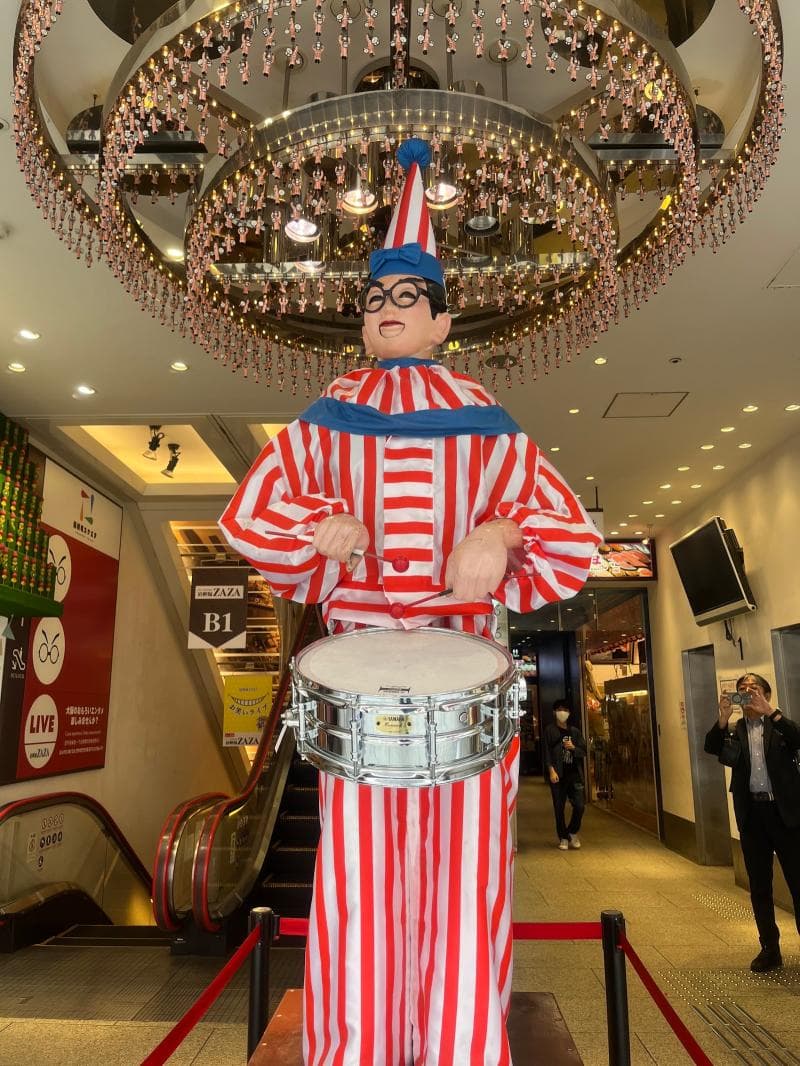
What truly sets the Dotonbori Canal apart is its sensory overload in the most delightful way. The canal-side promenade is a spectacle of massive, animated billboards and neon signs that have become landmarks in their own right. The most famous is undoubtedly the Glico Running Man, an illuminated image of a triumphant athlete that has graced the area since 1935 and is an iconic symbol of Osaka. Other captivating displays include the moving mechanical crab of the Kani Doraku restaurant, giant pufferfish lanterns, and the whimsical Kuidaore Taro, a mechanical drumming clown.
Beyond the visual feast, Dotonbori embodies Osaka's unique 'kuidaore' culture, a phrase often translated as 'to eat oneself bankrupt,' reflecting the city's extreme passion for food. This philosophy encourages indulging in a vast array of street food and culinary delights. The district's lively atmosphere, with music, laughter, and the aroma of delicious food filling the air, creates an energetic ambiance that is distinctly Osaka. Taking a river cruise along the canal offers a unique perspective, allowing visitors to soak in the dazzling reflections of the city's lights from the water.
Stories, Fun Facts & Local Details
The Dotonbori Canal is not only rich in history but also woven into local lore and popular culture. One of the most famous anecdotes involves the 'Colonel Sanders curse.' In 1985, following the Hanshin Tigers baseball team's Japan Series championship, jubilant fans celebrated by jumping into the canal, reportedly throwing a statue of KFC's Colonel Sanders into the water because it resembled one of their players. This act was jokingly blamed for the team's subsequent long losing streak, with the 'curse' only lifted when the statue was eventually recovered from the canal in 2009.
Interestingly, the name 'Dotonbori' itself refers not only to the canal but also to the street that runs parallel to its southern bank. This dual naming highlights the inseparable connection between the waterway and the bustling commercial and entertainment strip that grew alongside it. The canal, despite being a man-made waterway, is often affectionately called the 'Dotonbori river' by locals, underscoring its integral role in the city's identity.
Visitor Perspective
For visitors, experiencing the Dotonbori Canal is an immersion into the heart of Osaka's vibrant street life. The best time to witness its full splendor is in the evening, when the neon lights fully illuminate the district, transforming it into a radiant wonderland. Be prepared for crowds, especially on weekends, as both locals and tourists flock to this popular spot. Strolling along the pedestrian walkways that skirt the canal allows you to take in the iconic sights and sounds, including the perpetual queues for renowned street foods.
Indulge in local specialties like fluffy takoyaki (octopus balls), savory okonomiyaki (Japanese pancakes), and crispy kushikatsu (deep-fried skewers) from numerous street stalls and restaurants. Many establishments feature realistic plastic food displays, making ordering an adventure in itself. Beyond dining, consider hopping on a Tombori River Cruise for a leisurely twenty-minute ride, offering unique views of the bridges and famous billboards from a different vantage point. The area around Ebisubashi Bridge, with the Glico Running Man sign overhead, serves as a popular meeting and photo spot, capturing the quintessential Dotonbori spirit.
Coordinates: 135.4807, 34.6685
View on Google Maps💬 How Travelers Describe This Place
Based on community votes
Interesting
996Must See
658Unique
585Photogenic
143Beautiful
69
Traveler Stories
Discover memorable experiences shared by travelers who have visited this place.
No traveler stories yet.
Be the first traveler to share what made this place memorable.

Tour
By
Spot
Discover amazing places around the world. Your journey starts here.
Explore
© 2026 TourBySpot. All rights reserved.