Dome Interior
Dushanbe, Tajikistan
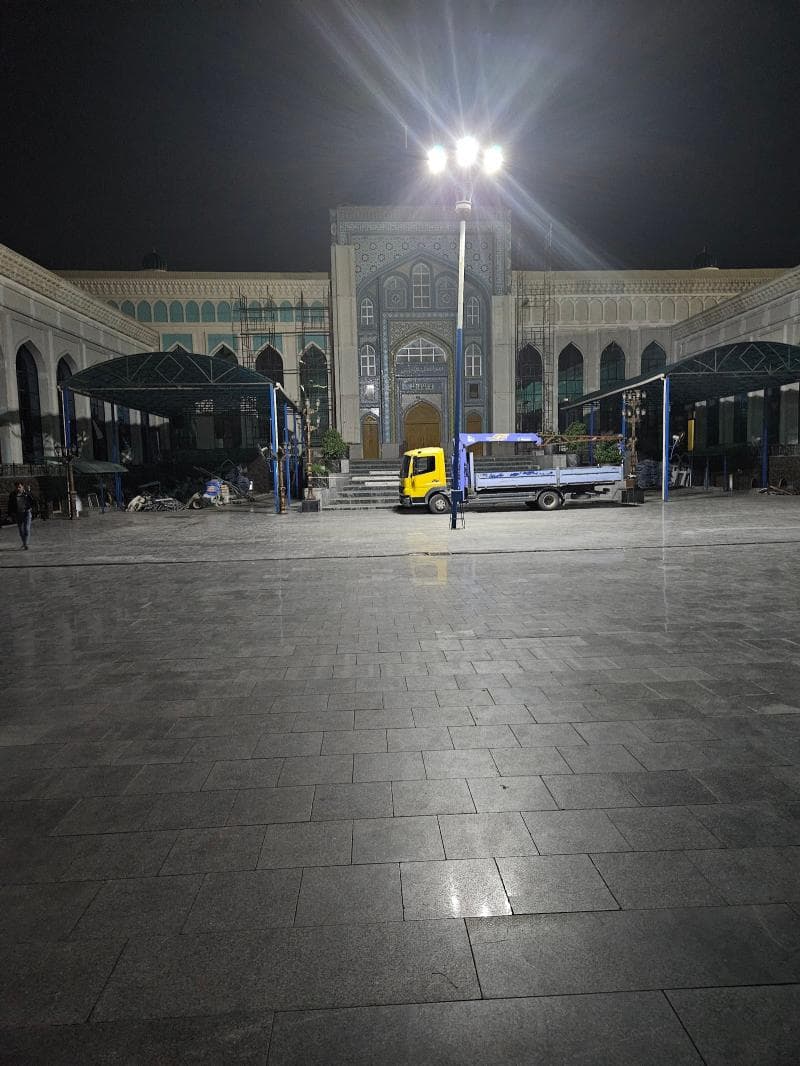
Discover the Haji Yakoub Mosque Dome Interior in Dushanbe, Tajikistan, showcasing intricate mo'araq tiles, muqarnas, and rich Islamic art. Explore its history and spiritual ambiance.
Overview
Stepping into the Dome Interior of the Haji Yakoub Mosque in Dushanbe, Tajikistan, offers a profound glimpse into the spiritual heart and artistic legacy of Central Asia. This revered space, part of a mosque complex that has served as a central religious hub for generations, showcases a rich blend of traditional Persian and Tajik architectural styles. The dome, a prominent feature of Islamic architecture, provides not only structural integrity but also an elevated canvas for intricate decoration, guiding the eye and spirit upwards. As one of Dushanbe's oldest and most significant mosques, the Haji Yakoub Mosque's interior is a testament to centuries of devotion and craftsmanship, enveloping visitors in an atmosphere of serene beauty and historical depth.
The Haji Yakoub Mosque is located centrally in Dushanbe, making it an accessible landmark for both local worshippers and curious travelers. The mosque remains an active place of worship, fostering a sense of peace and community within its walls. Before the construction of the much larger Dushanbe Central Mosque, the Haji Yakoub Mosque held the distinction of being the main religious reference in the city. Its enduring presence underscores its historical role and cultural importance in Tajikistan.
History & Cultural Background
The origins of the Haji Yakoub Mosque trace back to 1856, when the site was initially founded with the support of Haji Yakoub and his mother. The main architectural structure visible today was constructed between 1905 and 1910, establishing its distinctive form. Named after Haji Yakoub, a respected Tajik religious figure, the mosque embodies a long tradition of Islamic learning and worship in the region. Over its extensive history, the mosque has undergone several renovations and expansions, transforming it into the grand institution it is today.
Throughout periods of significant political and social change, including Soviet-era restrictions on religious practices, the Haji Yakoub Mosque has steadfastly remained a focal point for Islamic culture in Tajikistan. This resilience speaks volumes about the continuity and strength of the local Muslim community. After 1991, and particularly in the late 1990s, the mosque underwent major restoration work. These renovations saw changes to earlier blue, lapis-style colors, contributing to the mosque's current aesthetic. It once housed the Islamic Institute of Tajikistan and continues to host the Islamic Centre of the Republic of Tajikistan, further solidifying its role as a crucial religious and educational institution.
What Makes It Special
The Dome Interior of the Haji Yakoub Mosque is particularly special due to its exquisite display of traditional Central Asian Islamic artistry. The dome's curved surfaces are adorned with a harmonious blend of decorative elements, reflecting the mosque's overall fine craftsmanship. Visitors will find themselves captivated by the patterned mosaic (mo'araq) tiles that often feature intricate geometric designs and floral motifs, characteristic of the region's artistic heritage.
Furthermore, the interior boasts classical Central Asian–Persian elements such as muqarnas vaulting. Muqarnas, often described as 'honeycomb' or 'stalactite' vaulting, are three-dimensional ornamental corbels that transition from a flat surface to a domed one, creating a stunning visual effect and a sense of ethereal lightness. These elaborate plasterwork designs are complemented by intricate carvings and decorative elements, including calligraphic bands that often feature verses from the Quran, adding a layer of spiritual significance to the aesthetic beauty. The use of Tajik national traditions in cult construction and art is evident throughout the interior, ensuring an authentic and culturally rich experience.
Stories, Fun Facts & Local Details
While specific 'fun facts' about the dome interior are not widely documented, the mosque itself holds many intriguing details. For instance, the very existence and continued operation of the Haji Yakoub Mosque through various historical periods, including the Soviet era when religious practices faced severe restrictions, highlight its deep roots and the unwavering faith of the local community. It serves as a living testament to the enduring cultural and religious identity of Tajikistan.
The intricate artistry seen within the dome, including the delicate plasterwork and vibrant tile patterns, represents a continuation of ancient artisanal traditions passed down through generations. Master Said Ikrom of Konibodom, for example, was involved in renovation work in 1996, indicating that the preservation of these traditional crafts remains vital. The mosque's capacity to accommodate up to 3,000 worshippers speaks to its significant role as a communal gathering place for prayer and reflection, reinforcing its status as a spiritual heart of Dushanbe.
Visitor Perspective
For a curious traveler, a visit to the Dome Interior of the Haji Yakoub Mosque offers a profound and contemplative experience. The soft, ambient light filtering through the mosque's arched windows illuminates the intricate details of the dome, creating a tranquil atmosphere conducive to reflection. The sheer scale of the dome, combined with the detailed artistry, evokes a sense of awe and reverence.
When planning a visit, it is important to remember that the Haji Yakoub Mosque is an active religious site. Visitors are encouraged to arrive outside of prayer times to ensure a respectful and unobstructed experience. Modest dress is essential, and women are typically expected to wear a headscarf as a sign of respect. This observance of local customs not only demonstrates cultural sensitivity but also allows for a deeper appreciation of the mosque's sacred environment. The quiet solemnity and the visual splendor of the dome's artistry provide a memorable experience, connecting visitors to the rich Islamic heritage of Dushanbe.
Coordinates: 68.78, 38.53667
View on Google Maps💬 How Travelers Describe This Place
Based on community votes
Unique
623Photogenic
545Interesting
343Beautiful
302Must See
88
Traveler Stories
Discover memorable experiences shared by travelers who have visited this place.
No traveler stories yet.
Be the first traveler to share what made this place memorable.

Tour
By
Spot
Discover amazing places around the world. Your journey starts here.
Explore
© 2026 TourBySpot. All rights reserved.