Dolac Market
Zagreb, Croatia
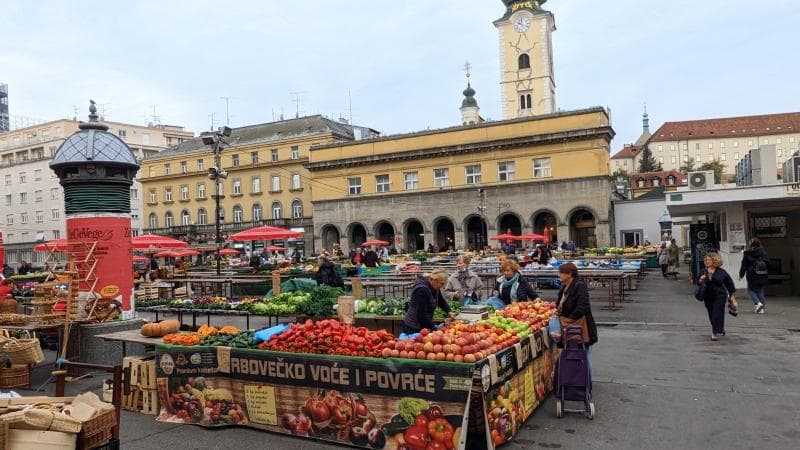
Discover Dolac Market, Zagreb, Croatia's vibrant 'belly of the city.' Explore fresh produce, local delicacies, and iconic red parasols.
Overview
Nestled in the very heart of Zagreb, Croatia, Dolac Market is far more than just a place to buy groceries; it is the vibrant 'belly of the city' and a living emblem of Croatian culture and daily life. This iconic market, easily recognizable by its cheerful red parasols, offers a unique blend of traditional open-air stalls and a bustling indoor section. It serves as a central hub where locals and visitors alike converge to experience the authentic flavors, sights, and sounds of the capital. Operating since 1930, Dolac market stands as a testament to Zagreb's enduring connection to its agricultural roots and its people's love for fresh, local produce.
Situated strategically between Ban Josip Jelačić Square and the historic Upper Town, Dolac provides a fascinating glimpse into the rhythm of Zagreb. The elevated open-air plateau, shaded by those distinctive red umbrellas, overflows with a kaleidoscope of fruits, vegetables, and flowers, brought in by local farmers. Below, a covered market hall hums with activity, offering a rich selection of meats, fresh fish from the Adriatic, dairy products, and baked goods.
History & Cultural Background
The story of Dolac Market began in 1930, marking a significant evolution in Zagreb's urban landscape. Before its establishment, the city's main marketplace, Harmica, located on Ban Josip Jelačić Square, had become too small to accommodate the growing city's needs. The decision was made to construct a new, larger market, built according to contemporary European standards.
The chosen site for Dolac was historically significant, built upon the remnants of Zagreb's old city walls. Several old buildings were demolished to make way for this ambitious project, which was envisioned to centralize trade and provide a modern space for vendors. The market's construction was a pivotal moment, transforming the area between the historic Gradec and Kaptol districts into a vital economic and social artery.
Culturally, Dolac has become deeply embedded in Zagreb's identity. It quickly became the primary meeting point for farmers from surrounding villages, known as 'kumice,' who brought their freshly grown produce and homemade goods directly to city dwellers. In 2006, a bronze statue known as 'Kumica Barica' was erected at the market's entrance, honoring these hardworking women and their invaluable contribution to the market's enduring tradition and spirit.
What Makes It Special
Dolac Market's charm lies in its unique blend of tradition and bustling commerce. Its most recognizable feature is undoubtedly the sea of red parasols that cover the open-air stalls on the upper level. These vibrant umbrellas not only provide shade for vendors and their produce but also create a picturesque and iconic visual that has become synonymous with Zagreb itself.
The market is cleverly divided into distinct sections, catering to every culinary need. The upper plateau is a feast for the eyes, offering an abundance of seasonal fruits, vegetables, and fragrant flowers. Below, in the covered section, visitors discover a different world of specialized offerings: butcheries with fresh cuts of meat, fishmongers proudly displaying fresh Adriatic seafood (unavailable on Mondays), and dairy stalls selling local cheeses like the famous 'sir i vrhnje' (cottage cheese and cream), a Zagreb staple. You'll also find fresh pasta vendors, bakeries with homemade bread, and stalls offering honey, jams, and other regional delicacies.
What truly sets Dolac apart is its direct connection to Croatia's agricultural heartland. Many vendors are local farmers or artisans, ensuring that the produce is fresh and often regional. This direct-from-farm-to-table approach guarantees quality and supports local producers, making every purchase an authentic Croatian experience.
Stories, Fun Facts & Local Details
Known affectionately as the 'belly of Zagreb,' Dolac Market truly nourishes the city, both physically and spiritually. It is a place where generations of Zagreb residents have come to shop, socialize, and connect. The nickname reflects its vital role as the central food source and a key social gathering spot.
The 'Kumica Barica' statue at the market's entrance tells a poignant story. 'Kumica' is a term for the traditional women vendors, often from the surrounding villages, who carried their goods—typically fruits, vegetables, and homemade dairy products like 'sir i vrhnje'—to the market in large baskets, often balanced on their heads. This statue, depicting such a woman, is a powerful symbol of their hard work, resilience, and integral role in preserving Zagreb's culinary heritage.
A delightful detail for visitors is the adjacent Petrica Kerempuh Square, which hosts a colorful flower market, and Splavnica Street, connecting Dolac to Ban Jelačić Square, also abounds with flower stalls. This adds another layer of sensory delight to the market experience. The best time to visit is in the early morning, ideally between 7:00 AM and 10:00 AM, when the market is at its liveliest and the produce is freshest. While bargaining isn't a common practice, engaging with the friendly vendors can lead to wonderful conversations and insights into local life.
Visitor Perspective
For any curious traveler, a visit to Dolac Market is an immersion into the very essence of Zagreb. It's a sensory symphony where the vibrant colors of fresh produce, the aroma of spices and baked goods, and the lively chatter of vendors and shoppers create an unforgettable atmosphere. Strolling through the market provides a genuine snapshot of daily life in the Croatian capital, offering an authentic experience away from typical tourist trails.
Beyond observing, visitors are encouraged to participate. Taste the local specialties such as 'sir i vrhnje' or perhaps a piece of homemade cornbread, often sold by the very 'kumice' it commemorates. Sampling seasonal fruits or cured meats offers a direct taste of Croatia's rich gastronomy. Even if not purchasing, simply wandering through the aisles, taking in the sights and sounds, and perhaps exchanging a few words with a vendor, allows for a deeper connection with the city and its people. It's an opportunity to feel the 'Zagreb rhythm,' a blend of practicality, sociability, and understated beauty.
Coordinates: 15.97722, 45.81306
View on Google Maps💬 How Travelers Describe This Place
Based on community votes
Unique
996Interesting
726Photogenic
717Must See
494Beautiful
193
Traveler Stories
Discover memorable experiences shared by travelers who have visited this place.
No traveler stories yet.
Be the first traveler to share what made this place memorable.
Things to see at Dolac Market



Tour
By
Spot
Discover amazing places around the world. Your journey starts here.
Explore
© 2026 TourBySpot. All rights reserved.