Dinosaur Gallery
Toronto, Canada
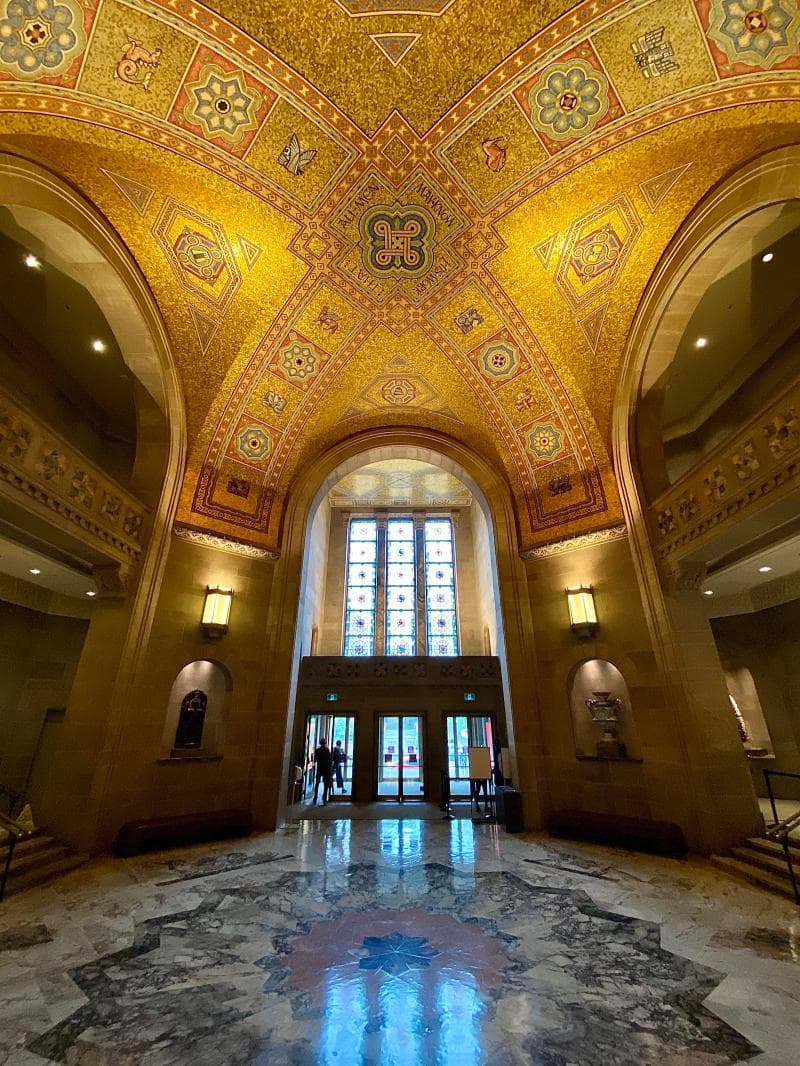
Explore the incredible Dinosaur Gallery at the Royal Ontario Museum in Toronto, Canada, featuring 'Gordo' the Barosaurus and over 50 fossil specimens.
Overview
The Dinosaur Gallery at the Royal Ontario Museum (ROM) in Toronto, Canada, officially known as the James and Louise Temerty Galleries of the Age of Dinosaurs, offers a captivating journey back to prehistoric times. This world-renowned collection showcases an extraordinary array of real dinosaur fossils and exhibits. Home to over 50 fossil specimens, the gallery presents both iconic and unusual dinosaurs, alongside fossilized plants, insects, and marine life from the Jurassic and Cretaceous periods. Recent renovations in autumn 2025 expanded the gallery space, enhancing sightlines and increasing the number of magnificent specimens on permanent display.
History & Cultural Background
The Royal Ontario Museum, established in 1912 and first opened its doors in 1914, has long been a beacon of natural history and culture in Canada. Throughout its history, the ROM maintained a close relationship with the University of Toronto, often collaborating and sharing expertise. It transitioned into an independent institution in 1968, evolving into Canada's largest field-research institution. The museum’s commitment to paleontology deepened over time, with the first dedicated dinosaur gallery emerging in the mid-1960s. These early exhibits began to move away from static displays towards more interpretive and dynamic presentations, a trend that continues to shape the visitor experience today. The rich fossil beds of Alberta and Saskatchewan are a significant source of dinosaur material, and many of the ROM's impressive specimens originate from the fossil-rich badlands of Alberta, contributing to Canada's prominent role in paleontological discoveries. The museum actively supports ongoing research projects, contributing significantly to our understanding of Earth's ancient past, from uncovering new species to collaborating with international institutions on discoveries like the Burgess Shale fossils.
What Makes It Special
The Royal Ontario Museum's Dinosaur Gallery stands out due to its unique and diverse collection. A centerpiece is 'Gordo,' an enormous Barosaurus, which is one of the most complete specimens and the largest dinosaur skeleton on display in Canada, stretching an impressive 27.5 meters (90 feet). Adding to its distinction, the ROM is one of the few museums globally to feature two different 90-foot-plus sauropod skeletons, with the Futalognkosaurus also gracing the exhibits. The museum boasts one of the world's finest collections of Hadrosaur, or 'duck-billed' dinosaurs, presenting multiple full skeletal mounts that offer deep insight into these fascinating herbivores. Visitors can marvel at iconic species such as Tyrannosaurus rex, Triceratops, Allosaurus, and Stegosaurus, each telling a piece of the prehistoric story. The gallery also features unique specimens like Gorgosaurus libratus, a fierce relative of T. rex, and the formidable armored dinosaur Zuul crurivastator, often depicted in dynamic 'fight scenes' that capture the imagination. A particularly poignant display includes fossilized nests of Massospondylus, revealing rare evidence of dinosaur nurturing behavior with actual eggs and embryos. Beyond the large skeletons, the gallery incorporates fossilized plants, insects, and marine life, as well as non-dinosaur specimens that predate and postdate the Mesozoic era, such as the skull of the armored fish Dunkleosteus and fossils from the Burgess Shale, enriching the narrative of ancient life. The displays are enhanced by brightly illuminated fossils, which highlight intricate details, and interactive exhibits that explore how environmental conditions shaped dinosaur evolution. Overhead, a giant Pterosaur Quetzalcoatlus hangs, offering a dramatic welcome to visitors.
Stories, Fun Facts & Local Details
The Dinosaur Gallery is rich with fascinating narratives. The nickname 'Gordo' for the impressive Barosaurus is thought to derive from the Spanish word for 'big' or 'fat,' aptly describing its colossal size. Another remarkable specimen, Zuul crurivastator, whose name playfully means 'destroyer of shins,' is notable for the incredibly rare preservation of fossilized skin found with its remains. The ROM also highlights Canada's deep geological history, featuring a 310-million-year-old fossilized tree from Joggins, Nova Scotia, and even 'LUCA,' a 4-billion-year-old single-celled organism discovered in Quebec. Important fossils from Canadian UNESCO World Heritage Sites, such as the earliest multicellular life forms from Mistaken Point in Newfoundland and the groundbreaking Burgess Shale fossils that illustrate the Cambrian explosion, are proudly displayed. Many of the stunning dinosaur finds come from the fertile fossil beds of Alberta, underscoring Canada's significant contributions to paleontology. The museum itself is an architectural marvel, with the striking modern 'Crystal' addition designed by Daniel Libeskind beautifully contrasting with the original heritage building. As Canada's largest field-research institution, the ROM plays a crucial role in expanding global knowledge of prehistoric life.
Visitor Perspective
Visiting the Dinosaur Gallery at the Royal Ontario Museum is an experience that ignites wonder and curiosity in people of all ages. Many visitors describe it as stepping into a time machine, offering a unique opportunity to explore the incredible diversity of creatures that once dominated our planet. The sheer scale of giants like Barosaurus often leaves visitors in awe, providing a tangible sense of the dinosaurs' immense size. The galleries are thoughtfully designed, described as clean, neat, and well-lit, allowing for detailed appreciation of each specimen. Skeletons are often posed dynamically, creating a realistic and immersive feeling that brings these ancient animals to life. Detailed information panels and interactive displays ensure that visitors not only marvel at the fossils but also gain a deeper scientific understanding of how these animals lived, evolved, and eventually became extinct. The exhibits, such as the Massospondylus nests, offer intimate glimpses into surprising aspects of dinosaur life, like parental care, enriching the visitor's connection to these prehistoric beings.
Coordinates: -79.39477710197684, 43.66789205698591
View on Google Maps💬 How Travelers Describe This Place
Based on community votes
Beautiful
685Interesting
472Must See
446Unique
399Photogenic
92
Traveler Stories
Discover memorable experiences shared by travelers who have visited this place.
No traveler stories yet.
Be the first traveler to share what made this place memorable.

Tour
By
Spot
Discover amazing places around the world. Your journey starts here.
Explore
© 2026 TourBySpot. All rights reserved.