Design Museum
Seoul, South Korea
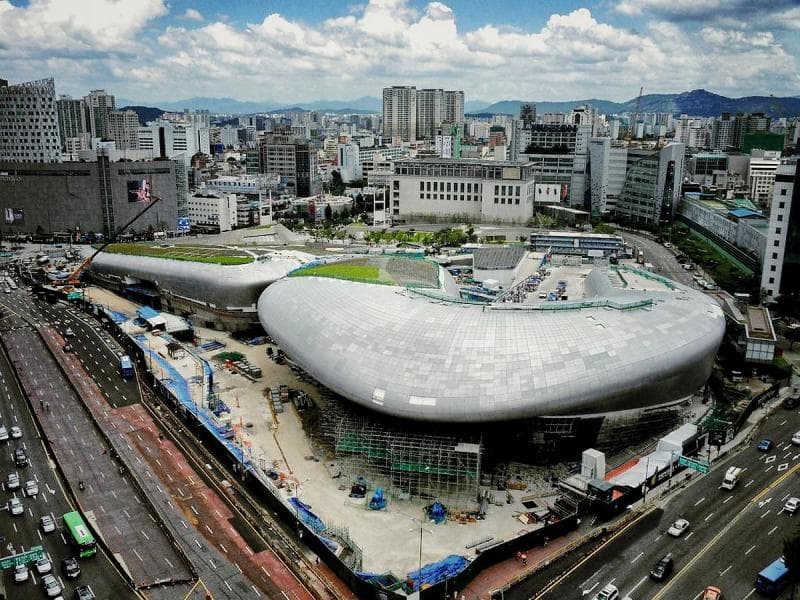
Explore the Design Museum at Dongdaemun Design Plaza in Seoul, South Korea. Discover unique K-design, exhibitions, and Zaha Hadid's architecture.
Overview
Nestled within the iconic Dongdaemun Design Plaza (DDP) in Seoul, South Korea, the Design Museum stands as a beacon of creativity and innovation. Far more than a mere exhibition space, it is Korea's sole public design museum, officially registered as a Type I public art museum by the Seoul Metropolitan Government. This distinction underscores its crucial role in fostering design culture, not just in Seoul, but on a global scale. The DDP complex itself, meaning 'Dream, Design, Play', serves as a dynamic platform where design, fashion, and technology converge, continually shaping contemporary trends and cultural discourse.
The Design Museum acts as a central hub, dedicated to discovering, researching, and presenting both Seoul's rich design heritage and its forward-thinking contemporary design trends. It bridges the gap between urban life and creative industries, offering visitors an immersive journey into how design influences everyday life and society. Exhibitions frequently showcase a wide array of Korean and international creativity, spanning fashion, architecture, product design, and digital art. Prepare for engaging displays, innovative concepts, and interactive installations that captivate and inspire.
History & Cultural Background
The site upon which the Dongdaemun Design Plaza and its Design Museum now stand carries layers of profound history. Before the sweeping, fluid lines of Zaha Hadid's architectural masterpiece emerged, this ground was home to the Dongdaemun Stadium, first constructed in 1925 during the Japanese colonial period. Even further back, during the Joseon Dynasty, the area served as a military training ground. The decision to redevelop the site into a modern cultural complex was met with an unexpected discovery: significant archaeological remains, including sections of the ancient Seoul fortress walls and the Igansumun floodgate.
These historical findings were not removed but thoughtfully integrated into the DDP's design, creating a seamless narrative between Seoul's ancient past and its futuristic vision. The Dongdaemun area itself has long been a bustling commercial heart, renowned for its markets and as a vibrant fashion district. This historical context deeply informs the Design Museum's mission, presenting design not in isolation but as an evolving reflection of Seoul's dynamic cultural and urban landscape.
What Makes It Special
What truly sets the Design Museum apart is its residence within Zaha Hadid's groundbreaking Dongdaemun Design Plaza. The DDP is celebrated as the world's largest three-dimensional freeform building, a marvel of parametric design characterized by its powerful, curving forms and absence of conventional straight lines. Its exterior is clad in over 45,000 uniquely shaped aluminum panels, each contributing to its distinctive, fluid aesthetic. This architectural ingenuity creates an environment where the boundaries between interior and exterior blur, with green spaces seamlessly extending onto the building's roofs.
As Korea's only public design museum, it holds a unique position, dedicated to curating and presenting design's profound impact on society. The museum actively champions K-Design, showcasing the nation's creative prowess to an international audience. The exhibitions themselves are often immersive and highly photo-friendly, leveraging the building's unconventional spaces to enhance the visitor's experience. This fusion of a world-renowned architectural landmark with a dedicated institution exploring the essence of design makes it an unparalleled cultural destination.
Stories, Fun Facts & Local Details
The Dongdaemun Design Plaza, and by extension its Design Museum, holds a special place in the hearts of many Seoulites, often affectionately nicknamed the 'spaceship that landed in Seoul' due to its striking, futuristic appearance. This architectural wonder has even played a starring role in popular culture, serving as a filming location for several beloved K-dramas, drawing fans who wish to walk in the footsteps of their favorite characters.
As evening descends, the DDP truly comes alive, transforming into a spectacular media art canvas through the 'Seoul Light DDP' festival, illuminating the cityscape with large-scale digital artworks. Inside the museum, younger visitors can delight in the 'Design Playground', also known as 'DiKi DiKi', a sensory experience zone designed to foster creativity and interaction. For those interested in the area's commercial vibrancy, the surrounding Dongdaemun district continues its age-old tradition as a bustling market, where modern fashion districts thrive alongside historical remnants.
Visitor Perspective
A visit to the Design Museum within Dongdaemun Design Plaza offers an enriching experience for anyone curious about design, culture, and architecture. While entry to the DDP building and its grounds is generally free, individual exhibitions within the Design Museum typically require a separate admission fee, which varies depending on the specific program. The museum is accessible via public transportation, conveniently connected to Dongdaemun History & Culture Park Station.
Due to the DDP's distinctive curvilinear design and often windowless interior, visitors might find the layout initially disorienting; it's advisable to pick up a map at the information center to navigate its fluid spaces. The museum generally operates from 10:00 to 20:00, though some spaces may have flexible hours. It's an ideal destination for art enthusiasts, design students, families, and even those seeking a unique, climate-controlled indoor activity. Facilities such as stroller and wheelchair rentals are available, ensuring accessibility for a wide range of visitors.
Coordinates: 127.0091, 37.5665
View on Google Maps💬 How Travelers Describe This Place
Based on community votes
Interesting
996Photogenic
726Beautiful
494Unique
193Must See
125
Traveler Stories
Discover memorable experiences shared by travelers who have visited this place.
No traveler stories yet.
Be the first traveler to share what made this place memorable.

Tour
By
Spot
Discover amazing places around the world. Your journey starts here.
Explore
© 2026 TourBySpot. All rights reserved.