Defensive Moat
Dubrovnik, Croatia
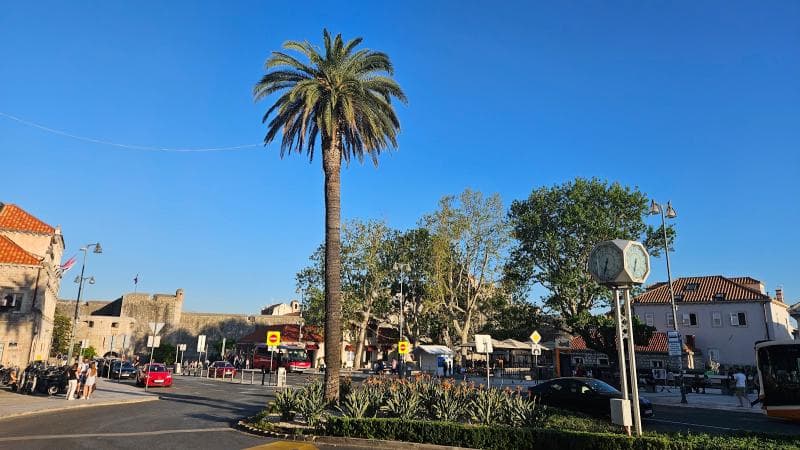
Discover the defensive moat at Pile Gate in Dubrovnik, Croatia. Explore its historical significance, drawbridge legacy, and modern transformation into a peaceful garden.
Overview
As you approach Dubrovnik's Old Town, the majestic Pile Gate stands as an imposing gateway, a testament to centuries of resilience and strategic defense. This grand entrance, situated on the city's western wall, is more than just an archway; it is a complex of fortifications that once protected the venerable Republic of Ragusa. Integral to this formidable defensive system was the 'Defensive Moat', a vital line of protection designed to keep invaders at bay and ensure the city's security. Today, while its defensive purpose has faded with time, the former moat area offers a unique blend of history and tranquility, greeting visitors with a green embrace rather than a watery barrier.
History & Cultural Background
The Pile Gate, which derives its name from the Greek word 'pylaj' meaning 'gate', developed through several construction phases between the 13th and 16th centuries, mirroring Dubrovnik's rise as a powerful city-state. Its design was a direct response to the constant threat of invaders, demanding robust fortifications. The defensive moat was a key component of this elaborate system. Originally, this broad ditch would have been filled with water, creating an additional, intimidating obstacle for any would-be attackers. Access to the city was tightly controlled by a wooden drawbridge that spanned this moat, famously raised every evening in a ceremonial act, effectively sealing off the city from the mainland and signifying its impregnable status.
Over time, the wooden drawbridge was replaced by a more permanent stone structure. The beautiful three-arched stone bridge you see today was constructed in 1471 by the prominent city engineer Paskoje Miličević. This evolution reflects the continuous efforts of Dubrovnik's builders to adapt and strengthen their defenses, always maintaining an edge against military advancements of the era. Archaeological research in 2008 further revealed the layered history of these medieval defensive systems, confirming the moat's enduring role in protecting the city.
What Makes It Special
What makes the Defensive Moat at Pile Gate truly special today is its remarkable transformation. While its historical function was one of deterrence and separation, today it serves as a welcoming green space. The area that once housed a water-filled trench is now a beautiful, lush garden. This peaceful garden provides a verdant contrast to the ancient stone walls, offering a serene interlude for travelers before they step into the bustling heart of the Old Town. The survival of the intricate gateway complex itself, including the inner gate from 1460 and the outer Renaissance arch from 1537, speaks volumes about the city's architectural prowess and commitment to its defense.
Visitors can still observe the vestiges of its past as they cross the stone bridge. The massive mechanical counterweights, once crucial for raising and lowering the wooden drawbridge each night, are still visible, silent reminders of the city's vigilant past. This blend of ancient engineering and modern-day serenity creates a unique experience, allowing one to literally walk through layers of history.
Stories, Fun Facts & Local Details
Imagine the solemn ceremony each sunset as the drawbridge over the moat was slowly pulled up, its chains clanking, keys then ceremoniously handed to the city's rector. This wasn't just a practical defensive measure; it was a daily ritual that underscored Dubrovnik's sovereignty and self-reliance. The moat effectively turned the city into an 'impregnable island' each night, a testament to the ingenuity of its defenders.
Perched above the arches of Pile Gate, you'll notice statues of Saint Blaise, the beloved patron saint of Dubrovnik. He is often depicted holding a model of the city, symbolizing his eternal protection over these very walls. These artistic details further intertwine the defensive structures with the city's cultural and spiritual identity. The transformation of the 'defensive moat' into a 'green passage' also offers a compelling visual narrative: from an area of potential conflict to one of beauty and welcome.
Visitor Perspective
Today, passing through the Pile Gate and over the area of the former defensive moat is often the first, and most memorable, introduction to Dubrovnik's Old Town. As you cross the stone bridge, take a moment to look down into the charming green garden below, where once, water filled a formidable barrier. This peaceful garden now welcomes you, a stark yet beautiful contrast to the gate's original purpose. Moving through the outer gate, with its Renaissance arch, and then the inner Gothic gate, you'll feel the weight of history in the sturdy stone. The journey through the Pile Gate complex, complete with its former moat, is a sensory experience that instantly transports you back in time, setting the stage for the wonders of the Stradun and the rest of Dubrovnik's medieval marvels that lie just beyond.
Coordinates: 18.10685, 42.641738
View on Google Maps💬 How Travelers Describe This Place
Based on community votes
Must See
722Interesting
595Unique
358Photogenic
196Beautiful
19
Traveler Stories
Discover memorable experiences shared by travelers who have visited this place.
No traveler stories yet.
Be the first traveler to share what made this place memorable.

Tour
By
Spot
Discover amazing places around the world. Your journey starts here.
Explore
© 2026 TourBySpot. All rights reserved.