Deer Park
Kuala Lumpur, Malaysia
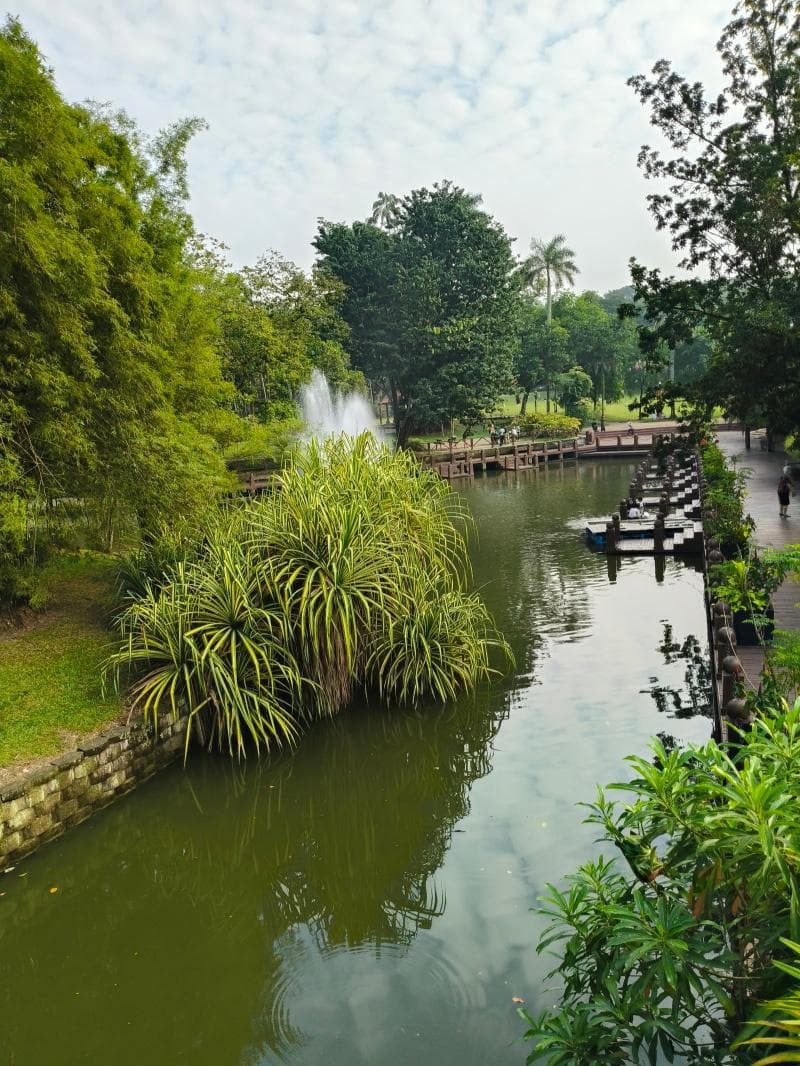
Discover Deer Park in Kuala Lumpur, Malaysia, a serene sanctuary within Perdana Botanical Gardens, home to spotted deer and mousedeer.
Overview
Tucked within the sprawling green heart of Kuala Lumpur, Malaysia's Perdana Botanical Gardens, lies the serene and captivating Deer Park. This tranquil enclosure offers visitors a unique opportunity to observe various deer species in a beautifully landscaped setting, providing a peaceful escape from the bustling city. Spanning approximately two hectares, the Deer Park is one of the many attractions housed within the larger Perdana Botanical Gardens, which itself covers an impressive 91.6 to 101 hectares and is often referred to as the 'green lung' of the capital.
The park is a sanctuary for several types of deer, including the delicate spotted deer (Axis axis or Chital), the local barking deer (Kijang), and the fascinating mousedeer (Kanchil or Chevrotain), known as the world's smallest hoofed animal. Other species like the Sambar deer and Fallow deer have also been mentioned as residents, contributing to the park's diverse animal population. Admission to Deer Park is typically free, making it an accessible and delightful destination for families and nature enthusiasts alike.
History & Cultural Background
The Deer Park was originally established in the late 1980s as part of the wider expansion of the Perdana Botanical Gardens, formerly known as the Lake Gardens. The gardens themselves boast a rich history, being Kuala Lumpur's first large-scale public park, conceived in the late 19th century and officially opened in 1888. The creation of these gardens was the brainchild of Alfred Venning, the British State Treasurer of Selangor, who envisioned a place of refuge from the city's hustle and bustle during colonial times.
While the Perdana Botanical Gardens underwent a significant redevelopment in 2011, officially transitioning into a botanical garden with a focus on plant conservation, the Deer Park has remained a cherished feature. There were discussions around 2015 to close the Deer Park for renovation and convert it into a research center for rare plant species, with plans to relocate the deer. However, recent information confirms its continued operation as a popular attraction within the gardens, suggesting these plans either did not fully materialize or the park was reopened after necessary upgrades.
Culturally, deer hold a symbolic place in Malay folklore, often representing grace, humility, and gentleness. The mousedeer, in particular, is a renowned creature in Malaysian and Indonesian folklore, often depicted in traditional stories. Small informational signs within the park share these local legends, connecting visitors to Malaysia's rich storytelling traditions as they explore this tranquil refuge.
What Makes It Special
What truly sets Deer Park apart is its unique blend of accessibility and natural immersion. Unlike typical zoos, the park's design aims to mimic the deer's natural environments, featuring landscaped forests with gentle slopes, shaded pavilions, and viewing decks that seamlessly integrate with the terrain. Visitors can observe various deer species, including spotted deer, the smaller native kijang (barking deer), and the celebrated mousedeer. These graceful animals wander freely between open glades and shaded groves, often approaching the railings with a gentle curiosity that captivates onlookers.
The presence of the mousedeer, the smallest hoofed animal globally, adds an exceptional element to the visit. Its recognition in local folklore gives it a special significance beyond its physical attributes. The park serves not just as a recreational spot but also as a quiet contributor to conservation education, acting as a living classroom where school groups can learn about Malaysia's indigenous wildlife.
Stories, Fun Facts & Local Details
One of the most enduring stories associated with Deer Park, and indeed Malaysian folklore, centers around the mousedeer, or 'Sang Kancil.' This tiny, intelligent creature is a beloved trickster character in many tales, often outsmarting larger, more formidable animals. These stories impart lessons about wit and cleverness triumphing over brute strength, resonating deeply within the local culture. The park's role in showcasing these animals provides a tangible link to these cherished narratives.
A fun fact is that some of the park's spotted deer are descendants of species originally gifted from the Netherlands to Malaysia decades ago, highlighting an interesting international connection in the park's history. The park's strategic location within the Perdana Botanical Gardens, adjacent to other notable attractions like the Kuala Lumpur Bird Park, the Orchid Garden, and the Hibiscus Garden, means that a visit to Deer Park can be part of a broader exploration of nature and culture.
Visitor Perspective
For visitors, Deer Park offers a serene and engaging experience. The park's pathways, including meandering trails and wooden bridges, allow for close yet respectful observation of the deer. While feeding the deer was once permitted, it is generally no longer allowed, ensuring the animals' natural behaviors are preserved. The tranquil atmosphere, complemented by birdsong and rustling leaves, often makes the city's sounds fade away, providing a truly calm and reflective environment.
Many visitors choose to include Deer Park as a gentle interlude during their exploration of the larger Perdana Botanical Gardens. It's often recommended to visit during cooler mornings or late afternoons to avoid the midday heat and humidity, which can also offer the best light for photography. Comfortable walking shoes are advisable, as some paths are sloped or covered in soft earth. The park's free admission makes it an accessible and valuable stop for anyone seeking a peaceful encounter with nature in the heart of Kuala Lumpur.
Coordinates: 101.68459562430674, 3.1429517905712387
View on Google Maps💬 How Travelers Describe This Place
Based on community votes
Photogenic
446Unique
152Interesting
33Must See
30Beautiful
16
Traveler Stories
Discover memorable experiences shared by travelers who have visited this place.
No traveler stories yet.
Be the first traveler to share what made this place memorable.

Tour
By
Spot
Discover amazing places around the world. Your journey starts here.
Explore
© 2026 TourBySpot. All rights reserved.