Decorative Facades
Riga, Latvia
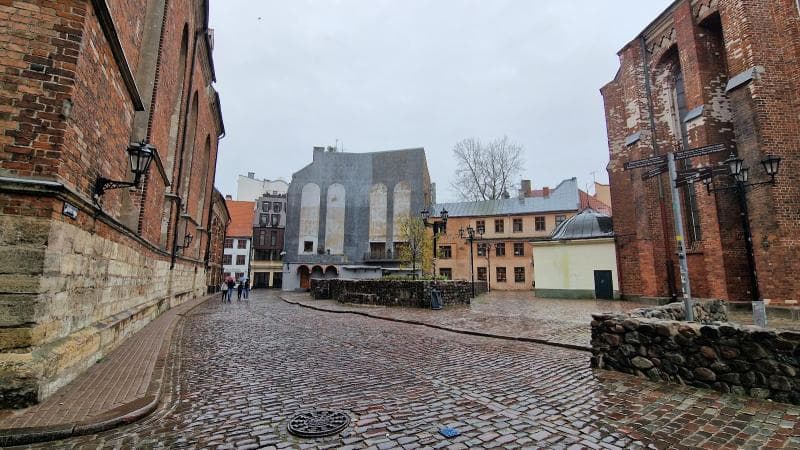
Discover Riga's Art Nouveau decorative facades, a UNESCO World Heritage site in Latvia, showcasing intricate designs, historical context, and unique architectural stories.
Overview
Riga, the vibrant capital of Latvia, stands as a true marvel for architecture enthusiasts, proudly holding one of the world's most extensive and best-preserved collections of Art Nouveau buildings. Nearly one-third of the structures in its historic center, recognized as a UNESCO World Heritage site, are adorned in this captivating style. The sub-spot known as 'Decorative Facades' within Riga's Art Nouveau District particularly highlights the sheer artistic ambition of the early 20th century. Here, buildings are not merely functional structures but elaborate canvases, showcasing an astonishing array of sculptural details, intricate motifs, and expressive artistry that transforms city streets into open-air galleries.
The Art Nouveau style, or Jugendstil as it was known in German-speaking regions, flourished between approximately 1890 and 1910, emphasizing organic forms, flowing lines, and a departure from historical revival styles. In Riga, this movement gained a unique local flavor, expressed through facades rich with mythological creatures, human faces, symbolic figures, and intricate naturalistic patterns. The 'Quiet Center' of Riga, particularly streets like Alberta Iela and Elizabetes Iela, serves as the heart of this architectural wonderland, where each building tells a story of an era defined by rapid growth and artistic innovation.
History & Cultural Background
Riga's Art Nouveau boom coincided with an unprecedented period of economic and demographic expansion between 1897 and 1913, during which the city's population nearly doubled. This rapid growth transformed Riga into a major port city and a significant center within the Russian Empire, leading to extensive construction. Most of Riga's Art Nouveau buildings were erected between 1904 and 1914, reflecting a desire for individuality, a more rational approach to architecture, and a strong sense of local attachment.
The architectural style in Riga evolved through distinct phases: the early Eclectic or Decorative Art Nouveau (around 1899-1905), followed by Perpendicular or Vertical Art Nouveau (from 1906), National Romanticism (1905-1911), and finally, Neo-Classical Art Nouveau. The Eclectic phase, characterized by applying Art Nouveau decoration to existing architectural forms, gave way to more streamlined, vertically oriented designs. National Romanticism, drawing inspiration from Finnish architecture and Latvian folk art, sought to forge a distinct national identity. Local architects, including Mikhail Eisenstein, Konstantīns Pēkšēns, and Eižens Laube, played pivotal roles in adapting European trends and shaping Riga's unique Art Nouveau landscape.
What Makes It Special
The decorative facades of Riga's Art Nouveau buildings are particularly special due to their extraordinary abundance, thematic boldness, and integration into the overall architectural composition. Unlike other European cities where Art Nouveau often manifested in more subtle ways, Riga's architects frequently covered entire facades with plasterwork, creating dense, three-dimensional narratives. These elaborate decorations feature stylized plants and flowers, geometric motifs, and a rich bestiary of symbolic creatures, from lions and sphinxes to griffins and owls. Human faces, known as mascarons, are also a prominent feature, often depicting a range of emotions—laughing, screaming, melancholy, or thoughtful.
The use of contrasting materials and vibrant colors further distinguishes these facades. Glazed tiles, stucco, and ornamental ironwork are combined to create visually striking compositions. Buildings on streets like Alberta Iela, in particular, showcase this diversity, with each structure presenting a unique architectural triumph. This intense focus on exterior ornamentation was a hallmark of the early Art Nouveau period in Riga, where the facade often served as the primary means of artistic expression.
Stories, Fun Facts & Local Details
Among the most celebrated architects of Riga's Decorative Art Nouveau is Mikhail Eisenstein, known for his flamboyant and imaginative creations, especially along Alberta Iela and Elizabetes Iela. His buildings are recognizable for their dramatic compositions, rich ornamentation, and often striking use of color. One famous example is Elizabetes Iela 10a, designed with an unusual keyhole-shaped aperture and featuring stylized springs, a clever nod to Eisenstein's role as director of the Road Traffic Department. His designs often incorporated elements from various historical styles, resulting in eclectic yet captivating facades.
Another key figure, Konstantīns Pēkšēns, adopted a more restrained yet equally elegant approach, often blending international Art Nouveau with motifs from Latvian folk art. His former home at Alberta Iela 12 now houses the Riga Art Nouveau Museum, offering a fascinating glimpse into the authentic interiors and daily life of the early 20th century. A popular 'fun fact' often noted by visitors is the sheer variety of masks and faces on the buildings, sometimes referred to as 'squished face' architecture, adding a whimsical and sometimes eerie charm to the streets. Many facades also feature the symbol of the sun, representing flourishing life and restoration, a poignant detail reflecting Riga's flourishing period.
Visitor Perspective
Exploring the decorative facades of Riga's Art Nouveau District is an immersive experience, akin to stepping into a meticulously crafted architectural dream. A walk along Alberta Iela is particularly recommended, as it concentrates some of the finest examples, creating an 'open-air museum' where nearly every building is a masterpiece. Visitors are encouraged to take their time, looking upwards to appreciate the intricate details, the expressive faces, and the rich symbolism embedded in each facade. The district, often called the 'Quiet Center', offers a serene atmosphere, allowing for contemplation of these artistic achievements without the hustle and bustle of the Old Town.
The Riga Art Nouveau Museum at Alberta Iela 12 provides a deeper understanding of the period, showcasing restored interiors and offering context to the exterior decorations. The facades are not just pretty adornments; they are historical documents, reflecting the aspirations, wealth, and cultural influences of Riga at the turn of the 20th century. They offer a unique blend of European artistic trends with a distinctive local interpretation, making Riga an unforgettable destination for those drawn to beauty and history.
Coordinates: 24.1058, 56.9537
View on Google Maps💬 How Travelers Describe This Place
Based on community votes
Beautiful
791Photogenic
613Unique
514Must See
457Interesting
207
Traveler Stories
Discover memorable experiences shared by travelers who have visited this place.
No traveler stories yet.
Be the first traveler to share what made this place memorable.

Tour
By
Spot
Discover amazing places around the world. Your journey starts here.
Explore
© 2026 TourBySpot. All rights reserved.