DDP Art Hall
Seoul, South Korea
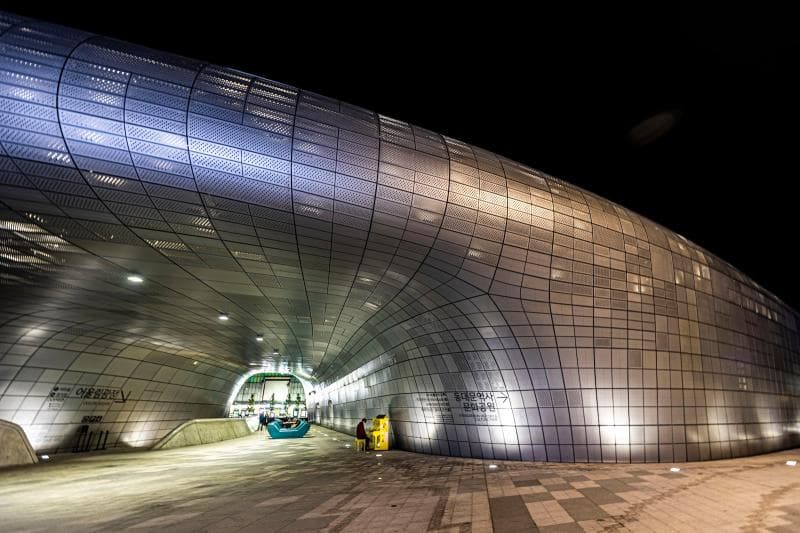
Explore the DDP Art Hall inside Seoul's Dongdaemun Design Plaza, a neofuturistic landmark by Zaha Hadid. Discover cutting-edge design and art exhibitions in South Korea.
Overview
Nestled within the striking Dongdaemun Design Plaza (DDP) in Seoul, South Korea, the DDP Art Hall stands as a prominent venue for showcasing global and local design, art, and cultural events. The DDP itself is a marvel of neofuturistic architecture, conceived by the acclaimed architect Zaha Hadid. As a cornerstone of this dynamic complex, the Art Hall serves as a versatile, column-free space designed to host a wide array of conventions, trade shows, exhibitions, fashion shows, concerts, and performances, positioning it as a key platform for the Korean creative industry.
The entire Dongdaemun Design Plaza, often abbreviated as DDP, acts as a multifaceted cultural hub where Seoul's past and future converge, offering visitors an immersive experience into the city's innovative spirit and rich heritage. The DDP Art Hall, specifically, is known for its spacious and adaptable environment, making it an ideal setting for launching new designs and presenting cutting-edge cultural content to the world.
History & Cultural Background
The Dongdaemun Design Plaza, completed in 2014, occupies a site steeped in Seoul's history, formerly home to the Dongdaemun Stadium. This area has been a significant urban center for centuries, with archaeological excavations during the DDP's construction revealing historical remains, including parts of the old Seoul fortress wall and a parade ground dating back to the 16th century.
Designed by the Pritzker Prize-winning architect Zaha Hadid, in collaboration with Samoo Architects, the DDP embodies a 'Metonymic Landscape' concept. Hadid aimed to integrate Seoul's historical, cultural, urban, social, and economic aspects into a fluid, undulating structure that encourages seamless movement between its various elements and the surrounding urban fabric. This design philosophy sought to create a dialogue between the ancient and modern, transforming a historic location into a symbol of contemporary innovation. The DDP was one of South Korea's first buildings to extensively use Building Information Modeling (BIM), enabling its complex, curving forms.
What Makes It Special
The DDP Art Hall is distinguished by its expansive, column-free interior, providing unparalleled flexibility for diverse events. This architectural feature allows for dynamic and imaginative presentations, from grand-scale art exhibitions to elaborate fashion shows. It comprises multiple halls, including Art Hall 1 and Art Hall 2, with Art Hall 1 boasting the highest ceiling within the DDP complex, along with various subsidiary facilities.
As a primary venue for the Korean creative industry, the Art Hall frequently hosts high-profile events such as Seoul Fashion Week, major international art fairs, and product launches for leading global brands. Its ability to adapt to a multitude of creative endeavors underscores its significance as a focal point for design and cultural exchange, making it a vibrant showcase for both established and emerging talents. The DDP's overall design, with its 45,133 uniquely shaped exterior panels, creates a spectacular visual experience, especially at night when it transforms into a media art canvas.
Stories, Fun Facts & Local Details
When the Dongdaemun Design Plaza was under construction, its unconventional, fluid form earned it nicknames like 'the alien spaceship that landed in Seoul' from some critics. However, over time, the public has embraced this unique structure, which has become a proud contemporary icon of the city.
The building's exterior is clad with over 40,000 micro-perforated aluminum panels, many of which have different dimensions and curvatures. This advanced cladding creates a dynamic surface that changes appearance from day to night; solid and metallic during the day, it allows light to emerge from within after dark, creating a 'dematerializing' effect. The structure's design was inspired by the flow of the Han River, with architects using fluid simulation technology to create a 'frozen-like-wave' effect, further connecting the modern edifice to its natural and historical context.
The DDP is also directly connected to Dongdaemun History & Culture Park Station, making it incredibly accessible. Its strategic location in the Dongdaemun commercial district, a renowned fashion hub that thrives even late into the night, solidifies its role as a cultural and economic anchor.
Visitor Perspective
For a curious traveler, visiting the DDP Art Hall offers a glimpse into Seoul's creative pulse. While the overall DDP complex can be disorienting due to its curvilinear design and lack of traditional windows, the experience of exploring its vast, flowing spaces is part of its allure. Visitors are encouraged to check the DDP's official website for current exhibitions and events, as the Art Hall's program is constantly evolving and often features world-class showcases.
Beyond the specific events in the Art Hall, the DDP itself provides a stimulating environment. One can wander through the various exhibition halls, explore the Design Lab, or simply enjoy the public spaces and the adjacent Dongdaemun History & Culture Park, which integrates discovered historical artifacts. The DDP's innovative architecture and its role as a cultural beacon make a visit to the Art Hall an inspiring journey into the intersection of art, design, and technology in the heart of Seoul.
Coordinates: 127.009108, 37.566517
View on Google Maps💬 How Travelers Describe This Place
Based on community votes
Interesting
683Photogenic
642Must See
536Beautiful
251Unique
88
Traveler Stories
Discover memorable experiences shared by travelers who have visited this place.
No traveler stories yet.
Be the first traveler to share what made this place memorable.

Tour
By
Spot
Discover amazing places around the world. Your journey starts here.
Explore
© 2026 TourBySpot. All rights reserved.