Dai Pai Dong Food Stalls
Hong Kong, China
Experience authentic Hong Kong street food at Dai Pai Dong stalls in Temple Street Night Market. Savor local delicacies in a vibrant cultural setting.
Overview
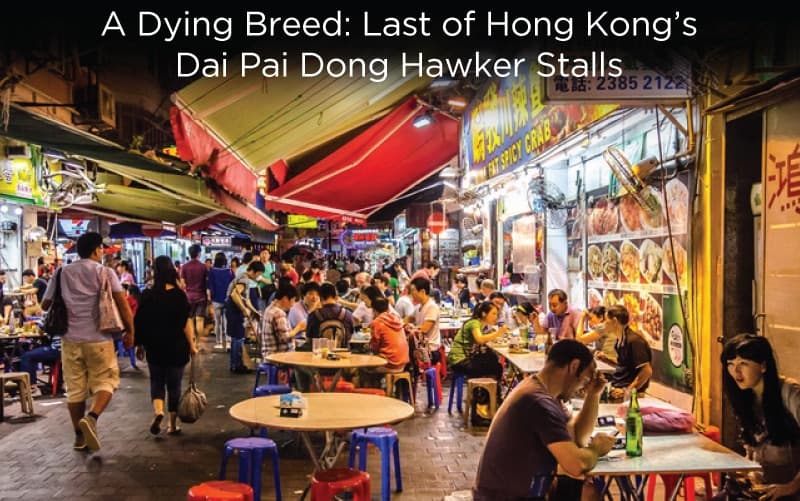
Stepping into the Temple Street Night Market in Hong Kong's bustling Yau Ma Tei district, visitors are immediately enveloped in a symphony of sights, sounds, and aromas. While the market is famous for its diverse array of goods, the true heart of its culinary landscape lies within its vibrant Dai Pai Dong food stalls. These open-air eateries offer an authentic taste of Hong Kong's street food culture, drawing locals and travelers alike to their humble setups of foldable tables and chairs, illuminated by the glow of red lanterns and the fiery dance of woks. Here, under the night sky, one can experience the raw, unpretentious charm of traditional Cantonese cooking.
The term 'Dai Pai Dong' translates literally to 'big license stall,' referring to the oversized licenses historically displayed by these establishments. While the strict legal definition of a Dai Pai Dong applies to a dwindling number of specific stalls across Hong Kong, the spirit and style of open-air street food found in Temple Street Night Market embody this cherished tradition. These food stalls are not merely places to eat; they are social hubs, providing an affordable and immersive dining experience that is a quintessential part of the city's identity.
History & Cultural Background
The origins of Dai Pai Dongs trace back to the post-World War II era in Hong Kong. Following the war, the British Hong Kong government issued special, large licenses to the families of deceased or injured civil servants, allowing them to operate food stalls as a means of livelihood. These 'big licenses' gave rise to the name 'Dai Pai Dong'. These humble beginnings fostered a unique street-level culinary scene, providing affordable and accessible meals to the working class and becoming an integral part of Hong Kong's collective memory.
Temple Street itself, named after the Tin Hau Temple at its heart, boasts a rich history dating back to the Qing dynasty. It developed into a prominent night market, evolving from a simple trading area into a cultural icon known for its blend of commerce, entertainment, and, significantly, its street food. The market was once affectionately known as 'Men's Street' due to its prevalence of goods catering to men. The integration of these traditional food stalls into the vibrant tapestry of Temple Street has cemented its reputation as a focal point for authentic Hong Kong experiences.
What Makes It Special
What truly sets the Dai Pai Dong food stalls of Temple Street Night Market apart is their unique blend of culinary expertise and lively atmosphere. Characterized by their often green-painted steel kitchens and the absence of air conditioning, these stalls deliver an unparalleled sensory experience. The air is thick with the scent of sizzling woks, aromatic spices, and fresh seafood, creating an irresistible invitation.
The distinctive 'wok hei' – the breath of the wok – is a hallmark of Dai Pai Dong cooking. This smoky, caramelized flavor, imparted by high-heat stir-frying, is a testament to the skill of the chefs. Diners sit shoulder-to-shoulder on small plastic stools, often at communal tables that spill out onto the street, fostering a sense of camaraderie and shared enjoyment. This casual, boisterous setting contrasts sharply with modern, upscale dining, offering a refreshing and genuine taste of local life that is increasingly rare in a rapidly developing city.
Stories, Fun Facts & Local Details
The number of officially licensed Dai Pai Dongs has significantly dwindled over the decades, making the remaining ones, and places that capture their essence like Temple Street, incredibly precious. In efforts to modernize and clean up the city, no new licenses are being issued, and many existing ones have not been renewed or have been relocated indoors. This makes the experience at Temple Street's food stalls a tangible connection to a vanishing piece of Hong Kong's heritage. The word 'Dai Pai Dong' itself was recognized by the Oxford English Dictionary in March 2016, a testament to its cultural significance.
Favorite dishes you'll often find include Claypot Rice (煲仔飯), cooked traditionally in clay vessels to achieve a perfectly crispy rice bottom and infused with ingredients like Chinese sausage; succulent Curry Fish Balls (咖喱魚蛋), a beloved street snack; and fresh seafood, often chosen directly from tanks and cooked to order at outdoor wok stations. The vibrant energy, animated conversations, and occasional impromptu Cantonese opera performances add to the market's authentic charm, making every visit a lively cultural celebration.
Visitor Perspective
For visitors, the Dai Pai Dong food stalls at Temple Street Night Market offer more than just a meal; they provide a profound cultural immersion. It's an opportunity to dine like a local, amidst the vibrant chaos and genuine hospitality that defines Hong Kong's street life. The experience is incredibly affordable, allowing one to sample a wide array of dishes without breaking the bank.
Engaging with vendors, observing the masterful technique of the chefs, and sharing tables with strangers all contribute to an unforgettable memory. It's a place where the barrier between kitchen and diner is minimal, inviting curiosity and participation. From the iconic red archway marking the market's entrance to the last bite of a smoky stir-fry, the Dai Pai Dong experience at Temple Street Night Market is a feast for all senses and a vital encounter with the soul of Hong Kong.
Coordinates: 114.1697, 22.306
View on Google Maps💬 How Travelers Describe This Place
Based on community votes
Beautiful
852Photogenic
645Interesting
244Must See
146Unique
80
Traveler Stories
Discover memorable experiences shared by travelers who have visited this place.
No traveler stories yet.
Be the first traveler to share what made this place memorable.

Tour
By
Spot
Discover amazing places around the world. Your journey starts here.
Explore
© 2026 TourBySpot. All rights reserved.