Cultural Exhibits
Ashgabat, Turkmenistan
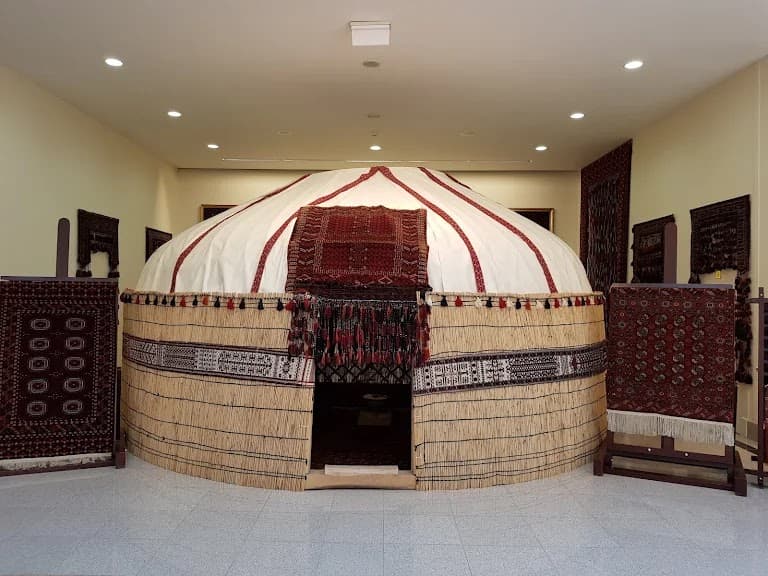
Explore the Cultural Exhibits at the Turkmen Carpet Museum in Ashgabat, Turkmenistan, home to the world's largest collection of Turkmen carpets.
Overview
The Turkmen Carpet Museum, also known as the National Carpet Museum, in Ashgabat, Turkmenistan, stands as a grand testament to the country's rich textile heritage. Established in 1994, it was founded with the express purpose of preserving, reviving, and advancing the ancient craft of Turkmen carpet weaving. It proudly houses the world's most extensive collection of Turkmen carpets, showcasing masterpieces that span from the medieval period through to the 20th century. With a sprawling total area of 15,000 square meters, a significant portion of the museum is dedicated to its permanent exhibition, featuring a diverse array of these intricate works of art.
Visitors to this iconic institution can immerse themselves in centuries of artistic tradition, exploring over 8,000 unique exhibits that highlight the distinctive styles and techniques developed by various Turkmen tribes. From ancient examples to more contemporary creations, the museum's collection offers a comprehensive journey through the evolution of carpet making, a craft deeply embedded in the identity of the Turkmen people.
History & Cultural Background
The history of carpet weaving in Turkmenistan is as old as the nation's recorded past, with archaeological findings suggesting its practice dates back millennia. Evidence such as loom tools from the 4th to 3rd centuries BC and bronze carpet knives from the 2nd century BC, discovered in the Sumbar Valley, underscore the profound historical roots of this craft. The artistry of Turkmen carpets captivated travelers centuries ago, with the renowned 13th-century explorer Marco Polo famously praising them as 'the most delicate and beautiful in the world.'
More than mere floor coverings, Turkmen carpets are a potent national symbol, acting as a cultural cornerstone and a repository of tribal identity that has been meticulously preserved over generations. Reflecting the history, spiritual values, and worldview of the Turkmen people, each carpet tells a story woven into its fibers. Recognizing its immense cultural significance, the traditional art of Turkmen carpet making was inscribed on the UNESCO List of Intangible Cultural Heritage of Humanity in 2019, affirming its global importance.
What Makes It Special
The cultural exhibits within the Turkmen Carpet Museum are extraordinary, presenting a collection that is both vast and uniquely significant. Among its most celebrated items is the world's largest hand-woven carpet, a monumental creation measuring 301 square meters and weighing approximately 1.5 tons. This incredible piece, woven in 2001, holds a prestigious place in the Guinness World Records. In stark contrast, the museum also proudly displays the world's smallest hand-woven carpet, a tiny masterpiece just 0.01 square meters in size, often shaped like a key box.
Beyond these record-breaking exhibits, the museum's displays offer a deep dive into the practical and symbolic uses of Turkmen carpets. You'll encounter various types of carpets traditionally used in yurts, for prayers, and during celebrations, illustrating their integral role in daily life and significant events. The exhibits also provide fascinating insights into the intricate process of carpet making, showcasing ancient looms and the specialized tools used by weavers. The collection distinguishes between the unique designs and 'gyols' (ornamental symbols) of different Turkmen tribes, including the Teke, Saryk, Yomut, Ersary, and Chovdur, revealing how each tribe developed its own distinct artistic signature. Furthermore, some carpets are ingeniously double-sided, featuring different patterns on each face, a testament to the advanced weaving techniques perfected by Turkmen artisans. A notable exhibit is a meticulously hand-woven replica of the ancient Pazyryk carpet, recreated using traditional Turkmen methods.
Stories, Fun Facts & Local Details
The cultural exhibits at the Turkmen Carpet Museum are rich with stories and fascinating details that bring the nation's heritage to life. A compelling 'fun fact' is the presence of the five most significant 'gyols'—distinct ornamental symbols representing Turkmenistan's five largest tribes—on the national flag and coat of arms. These intricate motifs are not merely decorative; they encode profound meanings, often symbolizing elements like the Sun, Moon, stars, the wheel of fate, and various flowers, offering a glimpse into the Turkmen worldview. Annually, Turkmenistan dedicates a special 'Carpet Day' festival to celebrate this cherished national symbol, underscoring its importance in the country's cultural calendar.
Traditionally, Turkmen women are the guardians of this ancient craft, meticulously handcrafting these carpets and passing down their invaluable skills and techniques from one generation to the next. Historically, these durable and beautiful textiles served practical purposes in nomadic life, furnishing movable homes (yurts) and fashioned into various bags such as chuvals, khurjuns, and torbas for storage and transport. The natural dyes and yarns used lend the carpets their characteristic vibrant colors, predominantly deep reds, though the presence of blue often signified prestige due to the difficulty and cost associated with obtaining such dyes. The museum also houses scientific departments dedicated to the meticulous restoration and scholarly study of ancient carpets, ensuring their preservation for future generations.
Visitor Perspective
For any curious traveler, exploring the Cultural Exhibits at the Turkmen Carpet Museum offers an unparalleled opportunity for a deep cultural immersion. The museum is designed to provide an enriching experience, with knowledgeable guides offering tours in both English and Russian, helping visitors uncover the nuances of each piece. Walking through the halls, you gain a tangible understanding of the labor-intensive process behind handmade carpet weaving and learn to decipher the complex patterns and motifs that define an authentic Turkmen carpet.
The museum itself is a marvel, housed in an architecturally stunning building with a grand marble facade and imposing golden entrance doors, creating a majestic setting for the treasures within. As an indoor attraction, it offers a comfortable and engaging activity, particularly welcome during Ashgabat's hot summer months. It is recommended to allocate at least 90 minutes for a thorough visit to appreciate the extensive collection. For those inspired to take a piece of Turkmen culture home, a well-stocked gift shop is available, providing high-quality carpets along with the necessary export documentation. A visit here is more than just viewing artifacts; it's an intimate journey into the heart of Turkmenistan's artistic soul and heritage.
Coordinates: 58.37788, 37.923999
View on Google Maps💬 How Travelers Describe This Place
Based on community votes
Beautiful
886Unique
564Must See
233Interesting
201Photogenic
121
Traveler Stories
Discover memorable experiences shared by travelers who have visited this place.
No traveler stories yet.
Be the first traveler to share what made this place memorable.

Tour
By
Spot
Discover amazing places around the world. Your journey starts here.
Explore
© 2026 TourBySpot. All rights reserved.