Cultural Displays
Chisinau, Moldova
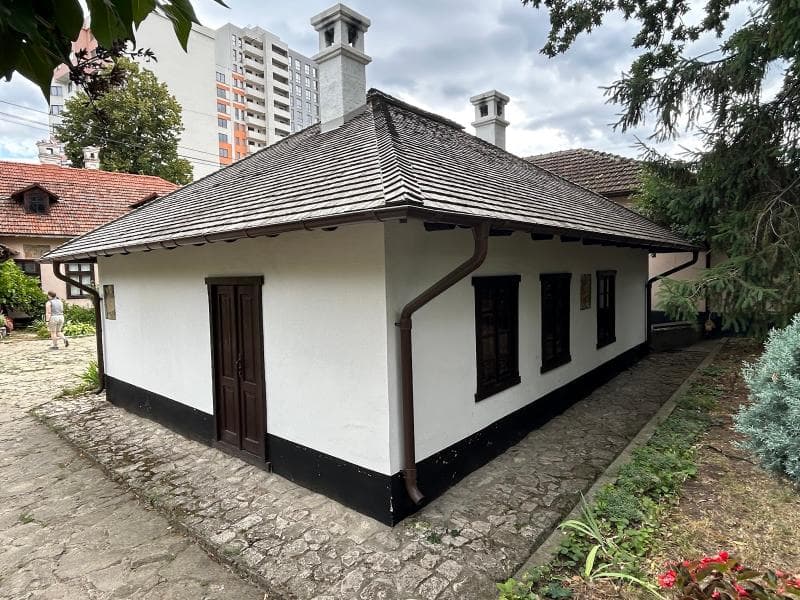
Explore the Alexander Pushkin House-Museum in Chisinau, Moldova, a cultural display preserving the poet's exile and literary legacy from 1820-1823.
Overview
The Alexander Pushkin House-Museum in Chisinau, Moldova, stands as a poignant testament to a pivotal period in the life of the great Russian poet. More than just a museum, it serves as a vivid cultural display, preserving the memory and influence of Aleksandr Pushkin's three-year exile in Bessarabia from 1820 to 1823. This nationally significant architectural monument offers visitors a unique opportunity to step back in time and explore the very rooms where Pushkin lived and found inspiration.
The museum complex is not merely a static collection; it's an immersive experience, recreating the atmosphere of the early 19th century. Through authentic household items, antique engravings, and personal belongings, it offers a tangible connection to the cultural and social context of the time. The exhibits prominently feature rare editions of Pushkin's literary works, many of which were conceived or completed during his stay in Moldova.
History & Cultural Background
The building housing the museum was originally the guest house of merchant Ivan Naumov, where a 21-year-old Pushkin resided after being exiled by the Russian Tsarist government. He arrived in Chisinau in September 1820. While initially viewing his banishment to provincial Chisinau with disdain, this period proved incredibly productive for the poet. It was within these walls that he laid the groundwork for his celebrated novel in verse, 'Eugene Onegin', and composed over 160 other significant works, including 'The Prisoner', 'The Black Shawl', and 'Prisoner of the Caucasus'. His time in Bessarabia also saw him engage with the local cultural aristocracy, forging connections that influenced his work.
The house was officially transformed into a museum on February 10, 1948, largely due to the efforts of Pushkin scholar Boris Alekseevich Trubetskoy, making it one of the first Pushkin museums established post-World War II. It is one of only two houses where Pushkin lived that are still preserved worldwide, underscoring its profound historical importance.
What Makes It Special
What sets the Pushkin House-Museum apart is its powerful sense of authenticity and historical preservation. It's not just about artifacts; it's about the tangible space where genius unfolded. The memorial rooms allow visitors to see the conditions in which Pushkin lived, offering a personal glimpse into his daily life and creative process. The museum's collection extends beyond Pushkin's direct personal items to include decorative art objects from the late 18th and early 19th centuries, paintings, prints, and sculptures that collectively paint a picture of the cultural milieu that surrounded him.
The painstaking restoration efforts have ensured that the museum retains a special energy, attracting researchers and poetry enthusiasts from across the globe. It stands as a beacon of literary heritage and a cultural bridge between Russian and Moldovan history.
Stories, Fun Facts & Local Details
A fascinating aspect of Pushkin's stay is how a period of forced exile became a crucible for some of his most profound literary creations. Despite his initial discontent with Chisinau's provincial nature compared to St. Petersburg, his three years here were immensely fertile. Local legends suggest that the tranquil environment, coupled with encounters with Bessarabian folklore and culture, subtly shaped his poetic vision. The museum also provides insights into his interactions with local figures, connecting his global literary legacy to the specific cultural context of Moldova.
In 1964, a branch of the museum was opened in the village of Dolna, at the manor of Boyar Zamfira Ralli, a place Pushkin was known to visit in 1821, further enriching the narrative of his Moldovan experience. The museum's continuous dedication to preserving this period is evident in new exhibitions, such as the one prepared for Pushkin's 200th anniversary, detailing his time in Bessarabia.
Visitor Perspective
Visitors often describe the Pushkin House-Museum as a calm and contemplative space, a true escape from the city bustle. The museum is beautifully arranged and well-maintained, with staff who are typically knowledgeable and eager to share stories, sometimes even using translation apps to assist English-speaking guests. This personal touch enhances the immersive quality of the visit, allowing travelers to connect deeply with the history and the poet's spirit. Many appreciate the opportunity to explore where Pushkin lived and learn about his works inspired by his time in Chisinau.
It's an experience that offers a rare glimpse into the daily life of a literary giant and the cultural fabric of early 19th-century Moldova, providing both intellectual enlightenment and an emotional connection to a significant historical figure.
Coordinates: 28.836389, 47.031667
View on Google Maps💬 How Travelers Describe This Place
Based on community votes
Interesting
639Photogenic
526Beautiful
421Unique
366Must See
212
Traveler Stories
Discover memorable experiences shared by travelers who have visited this place.
No traveler stories yet.
Be the first traveler to share what made this place memorable.

Tour
By
Spot
Discover amazing places around the world. Your journey starts here.
Explore
© 2026 TourBySpot. All rights reserved.