Cultural Centers
Seoul, South Korea
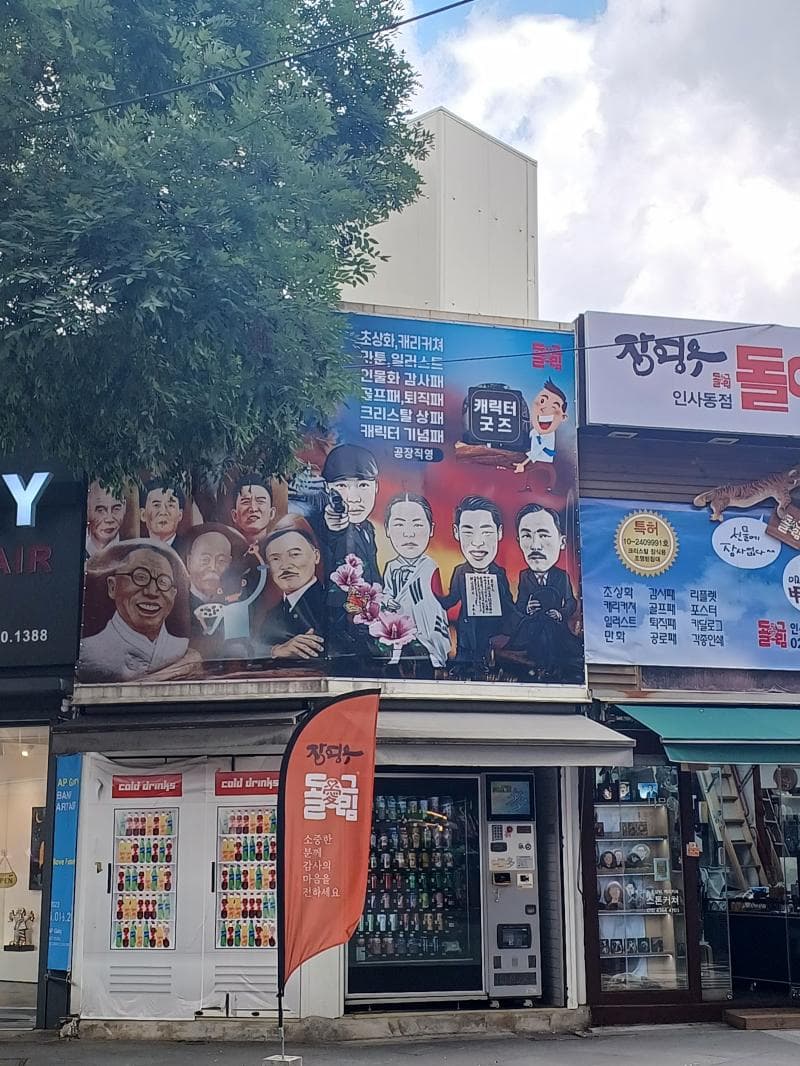
Discover Insadong's cultural centers in Seoul, South Korea, offering traditional arts, crafts, galleries, tea houses, and unique cultural experiences.
Overview
Insadong, nestled in the heart of Seoul, South Korea, is much more than just a street; it is a vibrant living museum dedicated to preserving and showcasing Korea's rich cultural heritage. This historic neighborhood is widely recognized as Seoul's most concentrated cultural district, offering a unique blend of traditional arts, crafts, cuisine, and experiences within a bustling urban setting. Visitors can wander through a labyrinth of main streets and intricate alleys, discovering an array of traditional tea houses, art galleries, antique shops, and craft studios. It's a place where traditional *hanok* buildings stand alongside modern structures, all while maintaining a distinctly Korean charm, making it a must-visit destination for anyone seeking to immerse themselves in the country's past and present.
History & Cultural Background
Insadong's cultural roots run deep, tracing back nearly 600 years to the Joseon Dynasty (1392–1910). During this era, the area was home to *Dohwaseo*, the Royal Academy of Painting, making it a prominent hub for artistic activities from its earliest days. Initially a residential area for high-ranking officials, Insadong's character began to transform significantly in the late 19th and early 20th centuries. As Korea experienced political upheaval, many aristocratic families discreetly sold their valuable heirlooms, including paintings, calligraphy, and ceramics. This led to the establishment of numerous antique dealers and art merchants, solidifying Insadong's reputation as Seoul's premier art market. In 1988, the city of Seoul officially designated Insadong as a traditional culture street, further recognizing its importance, and it became the first cultural district in 2002. Today, this legacy continues, with the district serving as a vital link between Korea's historical past and its contemporary artistic expressions.
What Makes It Special
What truly sets Insadong apart is its commitment to preserving traditional Korean culture in an accessible and engaging way. Unlike many modern commercial districts, Insadong maintains a unique identity where almost all store signs are written in Hangeul, the Korean script, enhancing the authentic cultural atmosphere. The district is renowned for its impressive concentration of traditional arts, hosting over 100 art galleries that showcase a wide spectrum of Korean fine art, from ancient paintings to contemporary installations. Iconic cultural complexes like Ssamziegil offer a delightful, spiraling architectural experience, guiding visitors through numerous shops selling handmade crafts, artworks, and unique Korean goods without the need for stairs. Beyond galleries and shops, Insadong provides abundant opportunities for hands-on cultural experiences. Visitors can participate in workshops to create traditional Hanji paper crafts, practice Korean calligraphy, learn pottery, or even make their own personalized chopsticks or mother-of-pearl accessories. These immersive activities allow for a deeper connection with Korean traditions, moving beyond mere observation to active participation.
Stories, Fun Facts & Local Details
Insadong is full of fascinating stories and local charm. For instance, the area was originally formed along a stream that flowed from Samcheongdong to Cheonggyecheon, and its main street, Insadong-gil, stretches for approximately 700 meters, becoming car-free on weekends for pedestrians to freely explore. This transformation into a pedestrian paradise creates a lively street market atmosphere, often featuring buskers, street vendors, and traditional musicians playing instruments like the *gayageum*. Hidden within its intricate alleyways are traditional tea houses, often housed in charming *hanok* buildings, where one can savor various Korean teas and sweets in a serene environment. These are perfect spots to escape the bustling streets and experience a moment of tranquil reflection. A unique attraction, the Museum Kimchikan, provides an insightful and often delicious journey into Korea's iconic dish, offering both exhibitions and hands-on kimchi-making experiences. For those looking for something quirky, the Alive Museum offers interactive optical illusion art, providing fun photo opportunities, and the Color Pool Museum boasts colorful, themed ball pools.
Visitor Perspective
For a curious traveler, exploring Insadong's cultural centers is an enriching journey that combines education with delightful discoveries. It offers a tangible connection to Korean heritage, allowing visitors to appreciate the craftsmanship of celadon pottery, the elegance of Hanji paper, and the beauty of traditional painting. Whether it's browsing antique shops filled with Joseon-era artifacts, engaging in a calligraphy workshop to write one's name in Hangeul, or simply enjoying a cup of traditional *omija* tea in a quiet courtyard, Insadong caters to a variety of interests. Many find it a more relaxed and artistic alternative to other bustling Seoul districts, making it an ideal place for families, couples, and friends to create lasting memories. The opportunity to purchase unique, handmade souvenirs directly from artisans means taking home not just an object, but a piece of Korean culture and a story. Insadong invites you to slow down, explore its hidden treasures, and experience the heart of Korean tradition firsthand.
Coordinates: 126.9851, 37.5736
View on Google Maps💬 How Travelers Describe This Place
Based on community votes
Must See
996Beautiful
726Unique
717Interesting
335Photogenic
22
Traveler Stories
Discover memorable experiences shared by travelers who have visited this place.
No traveler stories yet.
Be the first traveler to share what made this place memorable.

Tour
By
Spot
Discover amazing places around the world. Your journey starts here.
Explore
© 2026 TourBySpot. All rights reserved.