Cuban Memorial Boulevard
Miami, United States
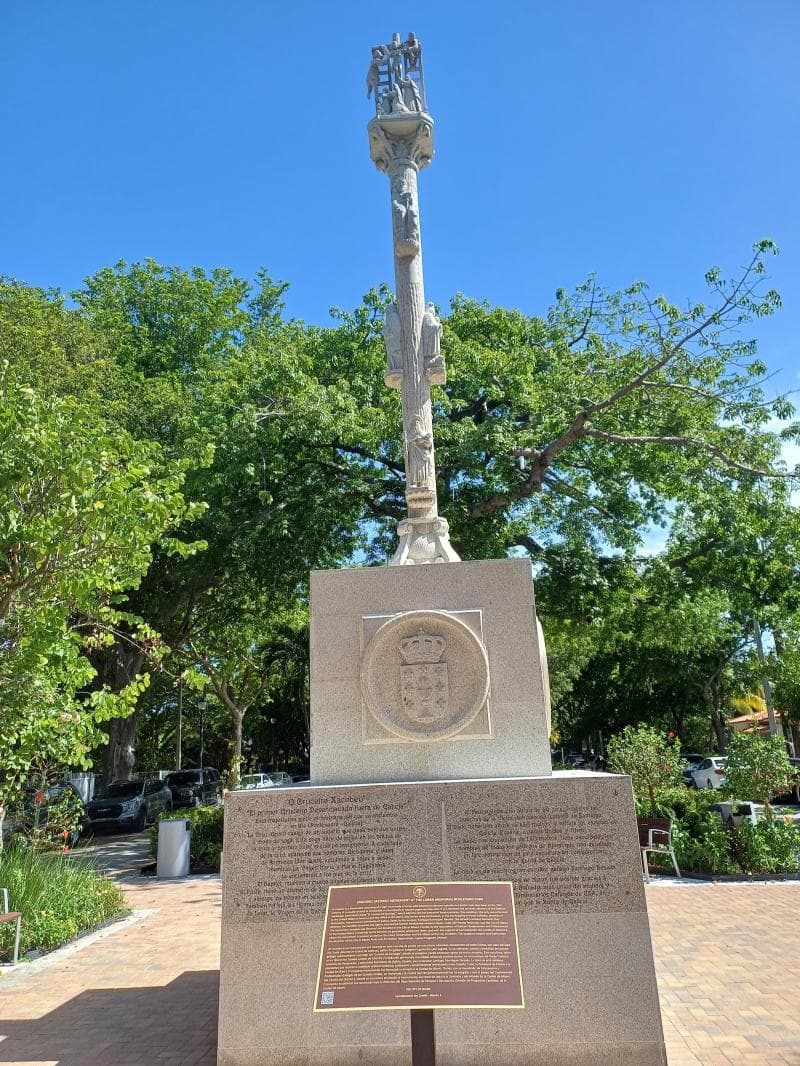
Explore Cuban Memorial Boulevard in Little Havana, Miami, United States. Discover poignant memorials honoring Cuban history and the exile community's struggle for freedom.
Overview
Tucked within the vibrant pulse of Miami's Little Havana neighborhood, the Cuban Memorial Boulevard offers a profound space for reflection amidst the lively streets. This four-block, tree-lined parkway, officially known as Cuban Memorial Plaza, stretches along Southwest 13th Avenue, just off the famed Calle Ocho. Unlike the spirited music and bustling cafes surrounding it, the boulevard is a quiet, hallowed ground, dedicated to honoring the enduring spirit and sacrifices of the Cuban exile community.
Visitors are invited to stroll along a pedestrian walkway that meanders past a series of monuments and statues, each telling a piece of Cuba's complex history. It serves as a poignant reminder of the island's past struggles and the dreams of freedom cherished by many who found a new home in Miami. While the surrounding area buzzes with Cuban culture, the boulevard provides a serene sanctuary, prompting quiet contemplation and understanding.
History & Cultural Background
The history of Cuban Memorial Boulevard is inextricably linked to the tumultuous events of the mid-20th century, particularly the 1959 Cuban Revolution, which saw Fidel Castro come to power, and the subsequent mass exodus of Cubans to Miami. Little Havana became the spiritual heart of this diaspora, a place where exiles rebuilt their lives while holding onto their heritage.
A central theme of the boulevard's memorials is the 1961 Bay of Pigs Invasion. This ill-fated CIA-backed operation, intended to overthrow Castro, ended in disaster for the Cuban exile fighters, known as Brigade 2506. Many lives were lost, and countless others were captured, solidifying the resolve of the exile community in Miami. The boulevard was created to ensure that the bravery and sacrifice of those who fought for a free Cuba would never be forgotten. It stands as a testament to their enduring hope and the profound impact of these historical events on both Cuba and the United States.
What Makes It Special
What truly sets Cuban Memorial Boulevard apart is its rich tapestry of commemorative statues and monuments, each imbued with deep historical and emotional significance. The most prominent is the Eternal Torch of Brigade 2506, a marble structure topped with an eternal flame, artillery shells, and engraved names of those who perished in the Bay of Pigs Invasion.
Further along, visitors will encounter powerful tributes, including a bronze statue of Nestor 'Tony' Izquierdo, a passionate anti-communist fighter who participated in the Bay of Pigs, and a statue of General Antonio Maceo, a key figure in Cuba's 19th-century fight for independence against Spanish rule. A giant relief map of Cuba, a statue commemorating Cuban political prisoners, and a marble pyramid in honor of Cuban journalists who opposed Castro also line the walkway, transforming the boulevard into an open-air museum of Cuban resilience.
Stories, Fun Facts & Local Details
Beyond its solemn memorials, the Cuban Memorial Boulevard offers glimpses into the living culture of Little Havana. While primarily a place of remembrance, the area around the monuments can occasionally transform into a site for community gatherings and protests, where locals voice their strong opinions on Cuban policy and humanitarian issues.
One intriguing detail visitors might notice near the statue of the Virgin Mary, often positioned under a ceiba tree, are small offerings such as animal bones. These are left by followers of the Santería faith, a syncretic religion practiced by a portion of the Cuban population, blending African traditions with Catholicism. Additionally, despite its tranquil nature, the boulevard is adjacent to the heart of the annual Calle Ocho Music Festival, one of the world's largest street festivals, showcasing the vibrant and passionate spirit of the Cuban community.
Visitor Perspective
For the curious traveler, a visit to Cuban Memorial Boulevard offers a unique opportunity to connect with the profound history and enduring spirit of the Cuban people in Miami. It's a place for quiet contemplation, learning, and understanding the sacrifices made for freedom. Wear comfortable walking shoes to fully appreciate the various monuments along the four-block stretch.
Located mere steps from the bustling Calle Ocho, the boulevard provides a striking contrast, allowing visitors to experience both the vibrant energy and the deep historical roots of Little Havana. After a reflective walk, you can easily immerse yourself in the district's other attractions, from enjoying authentic Cuban cuisine at nearby cafes to watching locals play dominoes at Maximo Gomez Park, or even exploring the Walk of Fame. The boulevard truly serves as a gateway to understanding the heart and soul of this remarkable community in Miami, United States.
Coordinates: -80.2145889, 25.7725778
View on Google Maps💬 How Travelers Describe This Place
Based on community votes
Interesting
869Must See
445Beautiful
416Photogenic
309Unique
33
Traveler Stories
Discover memorable experiences shared by travelers who have visited this place.
No traveler stories yet.
Be the first traveler to share what made this place memorable.

Tour
By
Spot
Discover amazing places around the world. Your journey starts here.
Explore
© 2026 TourBySpot. All rights reserved.