Creative Studios
Tallinn, Estonia
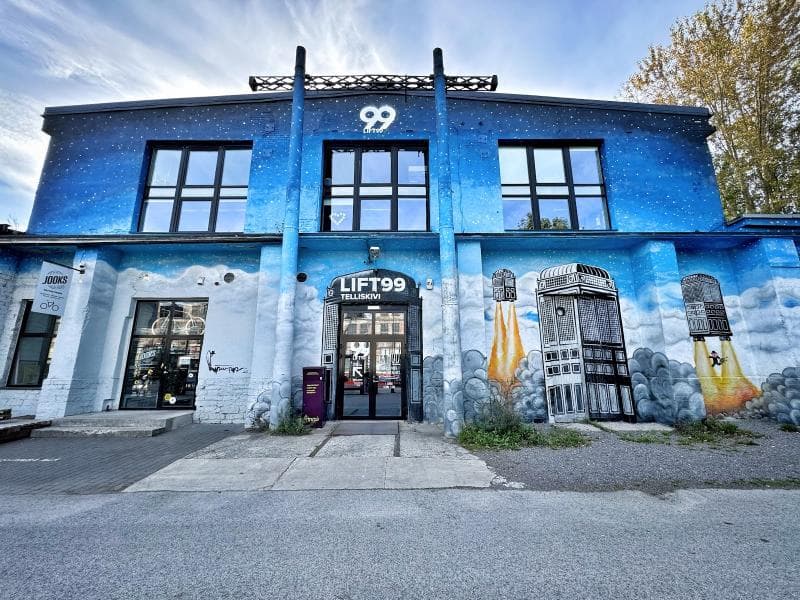
Explore Telliskivi Creative City in Tallinn, Estonia. Discover vibrant creative studios, unique shops, street art, and cultural events in this repurposed industrial hub.
Overview
Nestled in the bohemian Kalamaja district of Tallinn, Estonia, Telliskivi Creative City is a dynamic hub where industrial history meets vibrant contemporary culture. This sprawling complex, affectionately known locally as Telliskivi Loomelinnak, has been artfully transformed from a former railway factory into a thriving ecosystem of creative studios, independent businesses, and cultural venues. It stands as a testament to Tallinn's innovative spirit, offering a unique blend of art, design, and community that draws both locals and curious travelers alike. The area serves as a significant platform for the Estonian creative community, housing hundreds of enterprises ranging from design studios to theaters and galleries.
Far from a sterile commercial zone, Telliskivi buzzes with an authentic, lived-in atmosphere, where every corner seems to unveil a new discovery. It's a place where visitors can immerse themselves in the local creative scene, explore unique shops, savor diverse culinary delights, and encounter an ever-evolving tapestry of street art and cultural events.
History & Cultural Background
The story of Telliskivi Creative City is one of remarkable metamorphosis. Its foundations lie in the late 19th century, as the site of the Baltic Railway Company factory, a significant industrial enterprise that once maintained railway infrastructure and rolling stock connecting Tallinn with St. Petersburg. For decades, this area was an impenetrable industrial zone, a 'colossus' at the intersection of Kalamaja and Pelgulinn, inaccessible to the general public.
The transformation began modestly in 2007, spearheaded by founder Jaanus Juss, with the vision of repurposing the disused industrial buildings. By 2009, the first long-term tenant, the headquarters of the Tallinn Black Nights Film Festival, had moved in, signaling a new era. What followed was an organic, self-organized growth rather than a top-down development. The initial years saw the opening of a weekly flea market and a skate park, alongside musicians practicing in the 'Band Building.' This approach allowed the industrial echo of the past — the robust structures, exposed brick, and concrete floors — to remain, breathing soul into the space rather than razing it to the ground.
What Makes It Special
Telliskivi Creative City distinguishes itself through its incredible density and diversity of creative endeavors. It boasts over 300 companies, with approximately 90 percent dedicated to creative enterprises, and houses around 2,000 individuals who work there. The complex spans ten former railway factory buildings, covering more than 25,000 square meters.
Within these repurposed walls, you'll discover a fascinating array of creative studios and facilities: from ateliers and ceramic studios to film recording studios, photo studios, print studios, and sound recording studios. There are also numerous art galleries, two performing arts centers, and flexible co-working spaces. The commitment to maintaining the raw industrial character, while infusing it with contemporary art and design, creates a visually stimulating environment. The outdoor areas are adorned with constantly evolving street art and murals, turning the entire district into an open-air gallery.
Stories, Fun Facts & Local Details
Telliskivi's journey is punctuated by unique stories that highlight its community-driven ethos. Early days saw the iconic restaurant F-hoone open in 2010, experiencing 'awkward' moments as massive trucks still wiggled through the complex, requiring patrons to literally pull in their tables to avoid a tire-flavored steak. This anecdote captures the raw, evolving spirit of the place.
The philosophy behind Telliskivi is rooted in fostering 'fragile ideas and projects,' providing them shelter and support, and prioritizing community and culture over mere real estate development. This belief has cultivated a self-sufficient, open, and friendly creative community. The success is evident in the vibrant calendar: nearly a thousand cultural events are hosted annually, drawing almost a million visitors. A major highlight is Fotografiska Tallinn, an international photo art center that opened in 2019, complete with a café and a restaurant. In 2022, its restaurant, led by chef Peeter Pihel, was awarded a green Michelin star for its sustainable practices, adding an unexpected culinary prestige to the creative hub. The weekly flea market is another long-standing tradition, offering everything from vintage finds to local crafts.
Visitor Perspective
For a curious traveler, Telliskivi Creative City offers a distinct and enriching experience that contrasts with Tallinn's medieval Old Town. It's a place to spend several hours, allowing for slow exploration rather than a hurried visit. Wander through the pedestrian-friendly streets, marvel at the colorful street art that adorns buildings, and step into independent boutiques showcasing Estonian design.
Food enthusiasts will find a treat, with options ranging from casual eateries to sophisticated dining. Many studios and galleries are open to the public, offering a glimpse into the creative processes, and workshops (such as pottery, leathercraft, or even graffiti art) provide opportunities for hands-on engagement. The atmosphere is often described as bohemian, energetic, and very much alive, especially on weekends when the flea market adds to the lively buzz. Telliskivi is a 'hands-on' district, inviting visitors to not just observe but to participate and feel the pulse of modern Tallinn's creative heart.
Coordinates: 24.72875, 59.43979
View on Google Maps💬 How Travelers Describe This Place
Based on community votes
Photogenic
446Unique
152Interesting
33Must See
30Beautiful
16
Traveler Stories
Discover memorable experiences shared by travelers who have visited this place.
No traveler stories yet.
Be the first traveler to share what made this place memorable.

Tour
By
Spot
Discover amazing places around the world. Your journey starts here.
Explore
© 2026 TourBySpot. All rights reserved.