Covered Market Hall
Ljubljana, Slovenia
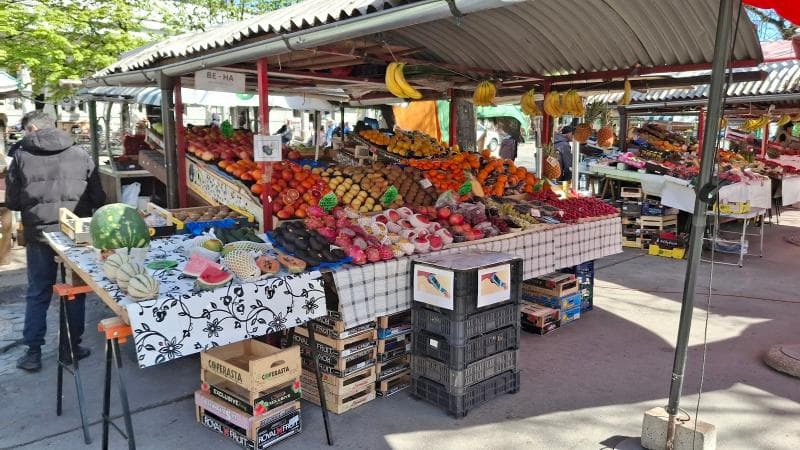
Discover Ljubljana's Covered Market Hall, an architectural marvel by Jože Plečnik within the Central Market in Ljubljana, Slovenia, offering local foods and cultural insights.
Overview
The Covered Market Hall, locally known as 'Plečnik's Covered Market', stands as a vibrant heart within the larger Ljubljana Central Market in Ljubljana, Slovenia. It is not merely a place for commerce but a pivotal social and cultural hub for the city. Designed by the renowned architect Jože Plečnik, this architectural gem is composed of two-storey market halls that gracefully follow the gentle curve of the Ljubljanica River. Inside, visitors discover an array of local delights, from cured meats, artisanal cheeses, and freshly baked bread to dried fruits, regional olive and pumpkin seed oils, and a diverse fish market on the lower level. It serves as a daily testament to Slovenia's rich culinary traditions and a lively meeting point for locals and travelers alike.
History & Cultural Background
The vision for the Covered Market Hall took shape between 1931 and 1939, with its construction primarily occurring from 1940 to 1944, under the masterful direction of Jože Plečnik. This significant structure rose from the ashes of an earlier era, occupying the site where a monastery and a girls' college once stood before being destroyed by the devastating 1895 earthquake. Plečnik's design for the market was deeply influenced by Renaissance architectural principles, featuring classical elements like columns and arcades, integrating it seamlessly into the city's monumental urban landscape. His work on the Central Market is considered a cornerstone of his 'human-scale Ljubljana' project, an urban planning philosophy that aimed to create functional yet aesthetically pleasing public spaces. This enduring legacy gained international recognition in 2021 when Plečnik's selected works in Ljubljana, including the Central Market, were inscribed on the UNESCO World Heritage List.
What Makes It Special
The Covered Market Hall distinguishes itself through its unique architectural beauty and its role as a living marketplace. Plečnik's genius is evident in the blend of classical and modern elements, creating an elegant and functional space. The two-storey market halls feature impressive semi-circular windows on the river-facing side, drawing in natural light and offering picturesque views of the Ljubljanica, while the street side is adorned with classical colonnades. Interspersed within the design are open-columned loggias, specifically crafted to provide visitors with delightful glimpses of the river. Beyond its visual appeal, the market is special for fostering direct connections between local farmers and consumers, ensuring a supply of fresh, high-quality produce. It offers an unparalleled selection of local specialties, from renowned Karst prosciutto and cheeses from regions like Bohinj and Tolmin, to a vibrant fish market housed in the lower section, making it a true repository of Slovenian culinary heritage.
Stories, Fun Facts & Local Details
The Covered Market Hall is steeped in local charm and interesting tidbits. Architect Jože Plečnik originally envisioned a grand covered bridge that would connect the market halls, a monumental plan that, while not fully realized in his lifetime, foreshadowed the later construction of the Butchers' Bridge. This market has always been more than just a place to buy goods; it's where locals converge, exchange greetings, and catch up on the day's news, embodying a vital community spirit. A unique feature you might encounter is a 24/7 milk vending machine operated by a local family dairy farm, offering fresh, unpasteurized milk, yogurt, and cheese. Fridays, from mid-March to October, transform the nearby Pogačarjev trg square into the 'Open Kitchen' (Odprta kuhna), a hugely popular open-air food event where chefs prepare dishes from around the world, drawing crowds of up to 20,000 people. Beyond food, the market also houses stalls showcasing traditional Slovenian crafts, such as delicate Idrija lace, intricate woodwork, and pottery, preserving the country's artistic legacy. Historically, public scales were installed at one end of the market, allowing shoppers to verify the weight of their purchases and ensure fair trade.
Visitor Perspective
For any curious traveler, visiting the Covered Market Hall offers an immersive and authentic Slovenian experience. The atmosphere is consistently vibrant and bustling, a symphony of sights, sounds, and aromas that encapsulates the essence of Ljubljana. It is the ideal place to delve into Slovenia's rich culinary landscape, sampling traditional delicacies and discovering unique local products. Strolling through the arcades, observing the daily routines of vendors and shoppers, and simply people-watching are enjoyable ways to soak in the lively spirit of the city. The market typically operates Monday through Saturday, with Sunday being its usual day of rest, though specific hours can vary by section and season. It is often advisable to carry some cash, as certain vendors might not accept card payments, ensuring a smooth and hassle-free shopping experience. The Covered Market Hall provides a window into the heart and soul of Ljubljana, connecting visitors with its history, culture, and everyday life.
Coordinates: 14.509, 46.0514
View on Google Maps💬 How Travelers Describe This Place
Based on community votes
Unique
982Photogenic
876Must See
458Interesting
235Beautiful
197
Traveler Stories
Discover memorable experiences shared by travelers who have visited this place.
No traveler stories yet.
Be the first traveler to share what made this place memorable.

Tour
By
Spot
Discover amazing places around the world. Your journey starts here.
Explore
© 2026 TourBySpot. All rights reserved.