Courtyard
Dushanbe, Tajikistan
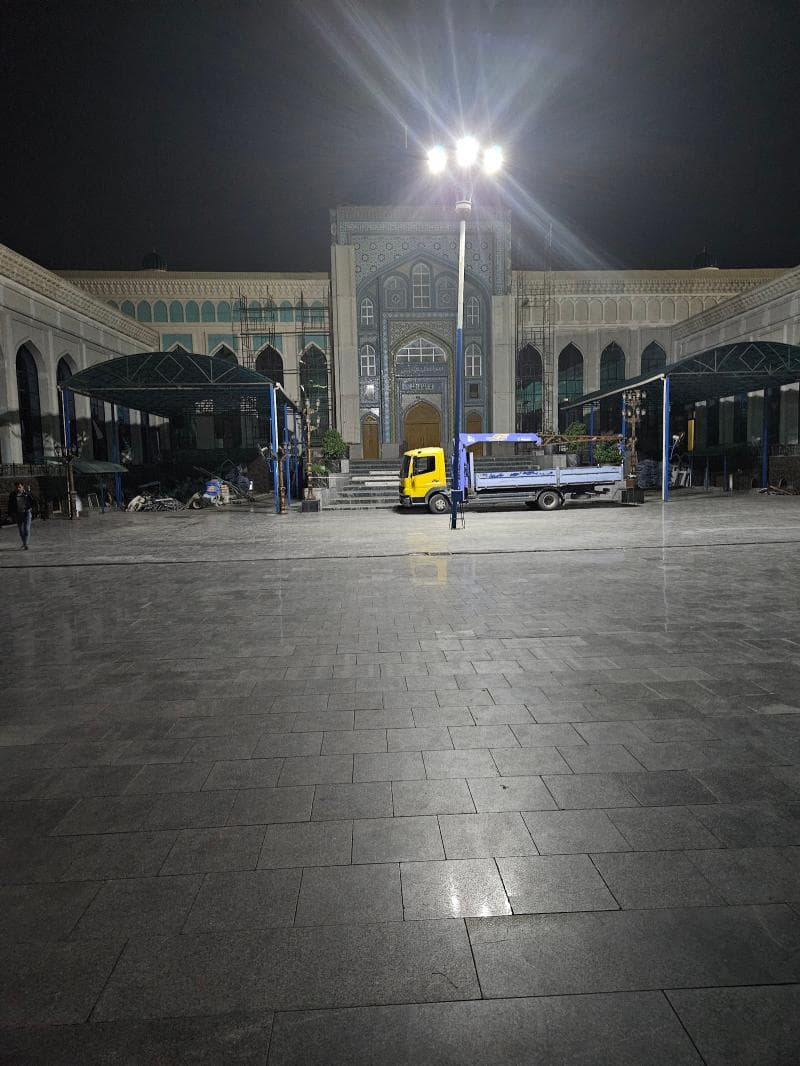
Explore the tranquil Courtyard of Haji Yakoub Mosque in Dushanbe, Tajikistan, a historic spiritual hub showcasing stunning Tajik-Persian architecture.
Overview
Nestled in the vibrant heart of Dushanbe, Tajikistan, the Haji Yakoub Mosque stands as a profound testament to the nation's rich Islamic heritage and architectural prowess. While the mosque itself is a significant landmark, its serene courtyard serves as a focal point for both worship and quiet contemplation. This sacred space offers a peaceful retreat from the city's bustle, inviting visitors to experience a slice of Tajik spiritual life and cultural depth. The mosque has long been a central hub for the local Muslim community, predating the newer Dushanbe Central Mosque, and its courtyard has witnessed generations of communal gathering and individual reflection.
The 'Courtyard' of the Haji Yakoub Mosque is not merely an empty space but an integral part of the larger complex, designed to facilitate prayer, community interaction, and the flow of visitors. It embodies the traditional architectural elements common in Central Asian Islamic structures, providing shade, pathways, and often, small garden areas that contribute to its tranquil ambiance. For many, it is the first point of contact with the mosque's spiritual essence, preparing them for the reverence found within the main prayer halls.
History & Cultural Background
The origins of the Haji Yakoub Mosque trace back to 1856, when the site was initially established with the support of Haji Yakoub and his mother. The mosque was named in honor of Haji Yakoub, a revered Tajik religious figure. The present-day main building, a magnificent structure, was largely constructed between 1905 and 1910, solidifying its architectural form for generations to come. This period of construction marked a significant chapter in the mosque's history, imbuing it with the intricate designs and robust construction that characterize it today.
Over the decades, the Haji Yakoub Mosque has undergone several renovations, particularly after Tajikistan gained independence in 1991, with major restoration efforts undertaken in the late 1990s. Historically, it served as a vital center for Islamic learning and worship, and at one point, it housed the Islamic Centre of the Republic of Tajikistan and the Islamic Institute of Tajikistan, underscoring its role in promoting Islamic education and culture within the country. Although the Islamic Institute has since relocated, the mosque retains its profound cultural and religious significance as one of Dushanbe's principal places of worship.
What Makes It Special
The Courtyard of the Haji Yakoub Mosque is a special space that contributes significantly to the mosque's overall allure. While details specifically on the 'Courtyard' are integrated into descriptions of the mosque, its presence is consistently noted as a crucial element of the complex. The architecture of the mosque, visible from and framing the courtyard, showcases a beautiful fusion of Persian and Tajik styles. Visitors can admire the intricate carvings, patterned mosaic (mo'araq) tiles, and the elegantly carved wooden columns that adorn the surrounding porches and walls, all of which contribute to the courtyard's aesthetic.
The courtyard itself provides a serene transition from the bustling city outside to the sacred interior. It is often described as possessing tranquil gardens and immaculate ablution facilities, enhancing its role as a place for spiritual preparation and reflection. The tall, crescent-topped minaret and the dome with its golden finish, which define the mosque's outline, are often best appreciated from the vantage point of the courtyard, offering a holistic view of this architectural marvel.
Stories, Fun Facts & Local Details
The mosque's enduring presence tells a story of faith and community resilience through various historical periods, including the Soviet era when religious activities faced restrictions. Its naming after Haji Yakoub, a Tajik religious leader who, according to some accounts, fled to Afghanistan, adds a layer of historical intrigue and connection to the broader Central Asian narrative.
Local visitors often emphasize the mosque's warm and humble spirit. One traveler recounted being invited into the prayer hall by a kind gentleman and experiencing a genuine welcome from locals in the courtyard, highlighting the community's hospitality. This personal touch transforms a visit from mere sightseeing into a meaningful cultural exchange. The mosque, though not as sprawling as the newer Dushanbe Central Mosque, holds a more historical and intimate appeal, making it a beloved local institution.
Visitor Perspective
For those planning to visit the Courtyard of the Haji Yakoub Mosque, a respectful approach is paramount. The mosque is an active place of worship, and visitors are generally welcome outside of prayer times. Modest dress is essential; women are expected to wear a headscarf, and both men and women should ensure shoulders and legs are covered. Removing shoes before entering the prayer areas is also customary.
The courtyard provides a wonderful space for quiet observation, photography (where permitted and respectful), and simply soaking in the atmosphere. It's a place where one can witness local daily life, observe the faithful preparing for prayer, and appreciate the architectural details up close. The serene ambiance of the courtyard, with its potential for tranquil gardens, offers an opportunity for introspection and a deeper connection to Dushanbe's spiritual heart. Engaging with the mosque, including its courtyard, offers an authentic glimpse into the cultural and religious fabric of Tajikistan.
Coordinates: 68.78403, 38.58778
View on Google Maps💬 How Travelers Describe This Place
Based on community votes
Must See
684Beautiful
363Photogenic
302Unique
250Interesting
88
Traveler Stories
Discover memorable experiences shared by travelers who have visited this place.
No traveler stories yet.
Be the first traveler to share what made this place memorable.

Tour
By
Spot
Discover amazing places around the world. Your journey starts here.
Explore
© 2026 TourBySpot. All rights reserved.