Court Garden Access
Innsbruck, Austria
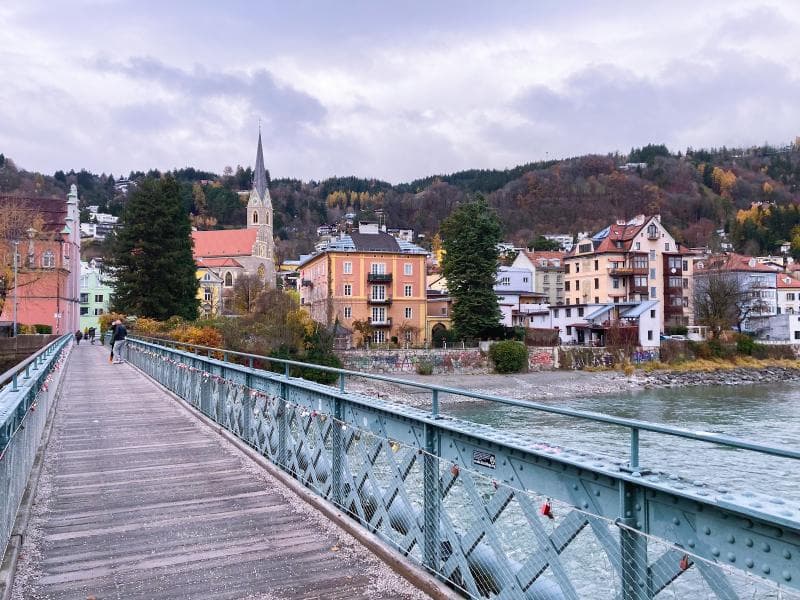
Explore Innsbruck's historic Court Garden (Hofgarten), a serene imperial oasis next to Hofburg Palace, filled with history and nature.
Overview
Nestled in the heart of Innsbruck, Austria, the Hofgarten, or Court Garden, offers a verdant and tranquil escape just steps away from the bustling Old Town and the majestic Hofburg Imperial Palace. This historical park, spanning approximately ten hectares, serves as a vital green lung for the city, inviting both locals and visitors to immerse themselves in centuries of horticultural artistry and imperial legacy. It is a place where nature's beauty seamlessly intertwines with the rich tapestry of Habsburg history, providing a serene backdrop for contemplation and leisurely strolls. The Hofgarten is freely accessible to the public year-round, making it an ideal spot for a peaceful respite during any Innsbruck itinerary.
As a protected park, the Hofgarten borders significant landmarks like the Hofburg, the Kongresshaus, and the Tyrolean State Theatre, emphasizing its central role in Innsbruck's urban and cultural landscape. Managed by the Austrian Federal Gardens, it is meticulously maintained, boasting an interesting and varied collection of mature trees, vibrant flowerbeds, serene ponds, and even a modern children's playpark.
History & Cultural Background
The origins of the Innsbruck Hofgarten stretch back over 600 years, making it one of Europe's oldest documented garden facilities. Its story begins in the early 15th century, with Duke Frederick IV acquiring land near the Hofburg for utilitarian and ornamental gardens.
The garden experienced its first heyday in the 16th century under Archduke Ferdinand II, an avid enthusiast of gardening and landscape architecture. Under his direction, what began as river meadows transformed into an elaborate Renaissance garden, complete with fountains, pergolas, pleasure houses, a maze, and a pheasant garden, which even housed exotic animals like bears, lions, and tigers.
Over its long history, the Hofgarten underwent several significant stylistic transformations. After a period of neglect and use as a kitchen garden due to financial constraints in the 17th century, Empress Maria Theresia initiated a major renovation in 1763, reimagining the space in the elegant Baroque style. A central axis with a music pavilion, built in 1733, became a focal point, surrounded by parterres, rondels, avenues, fountains, and sculptures. Later, in the mid-19th century, the garden was again remodeled, taking on the naturalistic appearance of an English landscape garden, a design that largely persists today.
What Makes It Special
What truly sets the Innsbruck Hofgarten apart is its unique blend of historical layers and diverse features, offering something for every visitor. It is not merely a park but a living museum, showcasing the evolution of garden design through the centuries.
One of its most captivating aspects is the presence of trees personally planted by Empress Maria Theresia, connecting visitors directly to Austria's imperial past. The garden boasts over 120 different tree species, some of them very old and rare, contributing to its rich botanical diversity. The Palm House, a distinctive feature, shelters a collection of approximately 1,700 to 5,000 tropical plants, offering a lush, exotic contrast to the outdoor landscape.
The historical Music Pavilion, originally a pleasure house from 1733, continues to be a vibrant cultural hub, hosting numerous events, primarily concerts. Adjacent to it, oversized chess boards invite visitors to engage in a strategic game amidst the greenery. The park is also adorned with various historical sculptures and monuments, including tributes to Archduke Eugen and Archduke Leopold V, further enriching its artistic and commemorative value.
Stories, Fun Facts & Local Details
The Hofgarten is steeped in fascinating stories from its imperial past. Imagine Emperor Maximilian I, a keen hunter and angler, having a fish-filled lake on his lands here in 1504, highlighting its early recreational use. During Ferdinand II's time, the exotic animals in the pheasant garden, such as bears and lions, were not just a display of wealth but also symbols of power exchanged between nobility. A dramatic incident in 1636 saw two of the imperial lions meet their end when their enclosure caught fire after a nearby gunpowder mill exploded.
The Hofgarten was historically divided when Rennwegstraße Street was built in 1842, creating different sections including the main imperial court garden and smaller areas. While ornate lawns were once strictly off-limits, recent years have seen a more public-friendly approach, with some lawn areas now available for use, reflecting a shift towards modern public park requirements.
Locals appreciate the Hofgarten as a daily oasis, whether for a morning jog, a quiet read on a bench, or a leisurely picnic. Despite being centrally located, it maintains a unique atmosphere of tranquility, allowing one to feel a connection to nature and history simultaneously.
Visitor Perspective
Visiting the Court Garden provides a truly refreshing experience, a perfect counterpoint to the architectural wonders of Innsbruck's city center. Entry is free, making it an accessible attraction for all. The park is generally open from early morning until late evening, though it's always a good idea to check current hours on official tourism websites.
For a comfortable exploration of its main areas, a walk of one to two hours is usually sufficient to admire the well-kept flowerbeds, centuries-old trees, and peaceful ponds. The Hofgarten is conveniently located directly opposite the Hofburg Imperial Palace and is easily reachable on foot from many central points, including a short walk from the main train station. Public transport also offers direct access, with several tram and bus stops nearby. Its wheelchair-accessible paths ensure that everyone can enjoy its beauty. Whether you seek quiet contemplation, a pleasant stroll, or simply a moment of natural beauty, the Hofgarten offers a serene and historically rich retreat within Innsbruck.
Coordinates: 11.39454, 47.26266
View on Google Maps💬 How Travelers Describe This Place
Based on community votes
Unique
703Must See
521Photogenic
380Interesting
291Beautiful
28
Traveler Stories
Discover memorable experiences shared by travelers who have visited this place.
No traveler stories yet.
Be the first traveler to share what made this place memorable.

Tour
By
Spot
Discover amazing places around the world. Your journey starts here.
Explore
© 2026 TourBySpot. All rights reserved.