Costume Exhibits
Astana, Kazakhstan
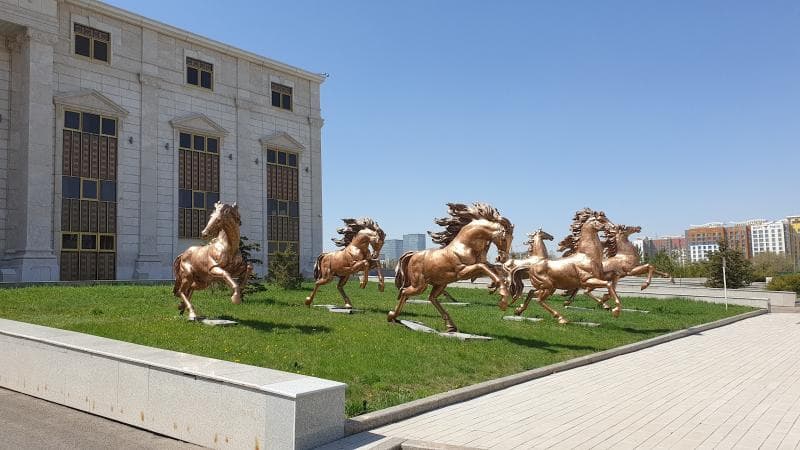
Explore the exquisite Costume Exhibits at Astana Opera in Astana, Kazakhstan, showcasing a rich tapestry of theatrical artistry and Kazakh cultural heritage.
Overview
Deep within the magnificent Astana Opera, a vibrant cultural heart in Astana, Kazakhstan, lies a hidden gem for art and history enthusiasts: its captivating Costume Exhibits. More than just a collection of garments, these displays offer a unique window into the theatrical artistry and rich cultural tapestry of Kazakhstan. As a vital component of the Astana Opera Museum, established in 2013, these exhibits showcase the meticulous craftsmanship and historical research that bring the stories of opera and ballet to life on stage.
Visitors to Astana Opera, celebrated for its blend of classical European architecture and distinctive Kazakh elements, often discover that the experience extends beyond the main performances to include these stunning visual narratives. The costume exhibits are an integral part of the theatre's commitment to preserving and presenting both its own creative legacy and the broader heritage of Kazakh theatrical art.
History & Cultural Background
The Astana Opera, inaugurated in 2013, quickly established itself as a leading cultural institution in Central Asia, initiated by Kazakhstan's First President, Nursultan Nazarbayev. From its inception, the theatre aimed not only to stage world-class performances but also to become a custodian of artistic and national heritage. This vision led to the early establishment of the Astana Opera Museum.
As early as June 2014, the theatre began hosting exhibitions featuring historical theatrical costumes and photographs of prominent Kazakh opera and ballet artists. These early efforts laid the groundwork for a dedicated space where the intricate creations from various productions could be admired up close. The costumes themselves are deeply rooted in cultural context, particularly those for national productions which draw heavily from traditional Kazakh clothing. These traditional garments are rich with symbolism, conveying ancestral worldview systems and revealing details about a person's lineage, region, and social standing. The exhibitions strive to capture this historical authenticity while also reflecting the artistic interpretations of designers.
What Makes It Special
The Costume Exhibits at Astana Opera are extraordinary due to their artistic merit, historical depth, and the sheer scale of the collection. Each costume is not merely clothing but a carefully constructed work of art, often designed by internationally renowned figures. The theatre has collaborated with esteemed costume designers such as Academy Award winner Franca Squarciapino, who designed costumes for 'Abai', and the creative tandem of Honoured Workers of Kazakhstan, Sofya Tasmagambetova and Pavel Dragunov.
These designers meticulously consider the historical period, region, and character attributes when creating each outfit, from the Ancient Egyptian motifs in Verdi's 'Aida' to the traditional Turkic vestments in 'Alpamys' and the opulent styles of 18th-century Europe. The theatre's wardrobe department boasts an impressive collection of 8,775 costumes, each cared for to ensure its preservation. The exhibits showcase not only the finished pieces but also the intricate details and exquisite materials, some of which are exclusive and sourced from afar, such as Indian brocade for 'Alpamys'. For ballets, extra attention is paid to ensure costumes allow for freedom of movement without compromising visual impact.
Stories, Fun Facts & Local Details
The costumes housed within Astana Opera tell stories that extend far beyond the stage. For instance, the 'Images from Abai Opera' exhibition, dedicated to the 175th anniversary of Kazakh philosopher and composer Abai Kunanbayev, featured over 200 costumes created by Franca Squarciapino for the opera 'Abai'. Squarciapino's designs were the result of extensive research into archival materials and historical images, bringing a tangible sense of the past to the present.
A fascinating aspect of the theatre's operations is the intricate process of costume management. The wardrobe department handles an immense task, from quick changes during performances – sometimes as little as 15 seconds – to the careful washing and steaming of around 300 costumes after each show. Each costume is valued for its ability to transport the audience to a specific era. Furthermore, Kazakh national costumes often feature symbolic ornamentation, embroidery, and decorative elements like silver, gold, pearls, and gemstones, which are not just aesthetic but also serve as protective talismans in Kazakh culture. These exhibits truly 'keep the memory' and 'hold the energy of the past times', connecting visitors to the rich heritage of Kazakhstan's performing arts.
Visitor Perspective
For the curious traveler, visiting the Costume Exhibits at Astana Opera offers a unique and enriching experience. These displays are not confined to a single, static gallery but are often presented in various enchanting spaces throughout the opera house, including the foyer, the gallery of the Baiseitova Chamber Hall, and the Marble Hall. Exhibitions frequently rotate, with about five different expositions adorning the opera house each month, often curated to complement the current repertoire.
This dynamic approach means that every visit can offer something new, providing a deeper understanding of the specific productions being staged or highlighting particular aspects of theatrical design. Visitors can appreciate the extraordinary detail in costumes that are not always fully visible from a distance in the auditorium. It's an opportunity to marvel at the artistry and dedication involved in creating the visual spectacle of opera and ballet, gaining insight into the historical and cultural narratives embedded in each stitch and embellishment. These exhibits transform a theatre visit into a comprehensive cultural journey, showcasing the profound connection between performance art and national identity.
Coordinates: 71.410917, 51.13556
View on Google Maps💬 How Travelers Describe This Place
Based on community votes
Unique
989Beautiful
613Photogenic
603Interesting
581Must See
207
Traveler Stories
Discover memorable experiences shared by travelers who have visited this place.
No traveler stories yet.
Be the first traveler to share what made this place memorable.

Tour
By
Spot
Discover amazing places around the world. Your journey starts here.
Explore
© 2026 TourBySpot. All rights reserved.