Colonial History Rooms
Vientiane, Laos
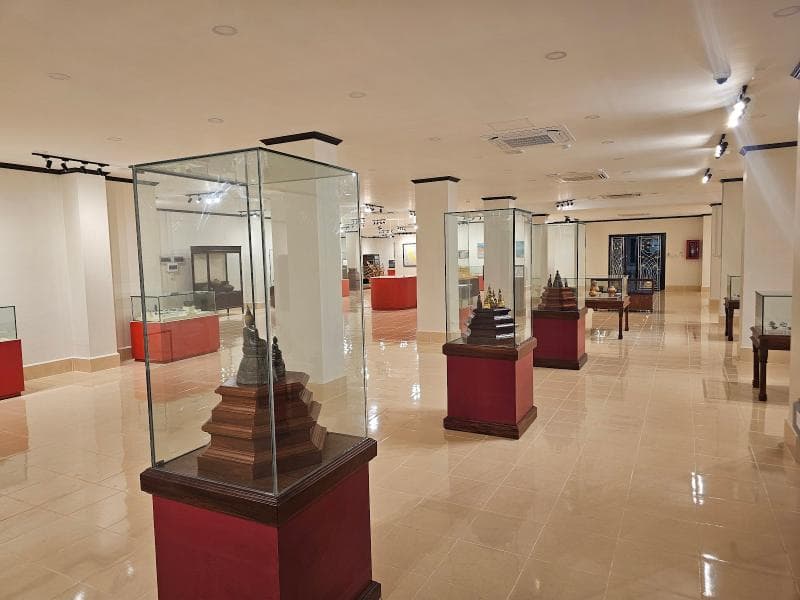
Explore the Colonial History Rooms at the Lao National Museum in Vientiane, Laos, for a deep dive into the nation's colonial past and fight for independence.
Overview
The Colonial History Rooms within the Lao National Museum in Vientiane offer a profound journey into a pivotal era of Laos' past: the period of French colonial rule and the subsequent struggle for independence. While the Lao National Museum itself relocated to a modern facility on Kaisone Phomvihanh Avenue in 2017, these dedicated rooms continue to showcase the intricate narrative of Laos under foreign influence. Visitors are invited to explore the political, social, and cultural transformations that shaped the nation during the late 19th and mid-20th centuries. The exhibits aim to provide clear explanations and historical context, allowing a deeper understanding of this complex chapter in Lao history.
These rooms serve as a crucial educational resource, presenting a comprehensive overview of how colonialism impacted the daily lives of the Lao people and ignited the flames of nationalism. They bridge the gap between ancient kingdoms and the modern Lao People's Democratic Republic, illustrating the resilience and determination of a nation striving for self-determination.
History & Cultural Background
Laos came under French colonial administration in the late 19th century, becoming part of French Indochina. This period, lasting several decades, profoundly influenced the country's development, infrastructure, and societal structures. The Lao National Museum's Colonial History Rooms meticulously document this era, from the initial establishment of French power to the eventual fight for sovereignty. The museum's former location, the elegant French Governor's Residence built in 1925 on Samsenthai Road, itself stood as a powerful symbol of this colonial legacy, and it was within its walls that Laos notably declared its independence from France on October 12, 1945.
The exhibits delve into the administrative systems imposed by the French, the economic exploitation, and the cultural changes that occurred. They highlight the emergence of a nascent Lao national identity in response to foreign domination, showcasing the diverse groups who played roles in resisting colonial rule. This section provides vital cultural background, explaining how the colonial period shaped not only the political landscape but also aspects of Lao education, architecture, and even daily life, the vestiges of which can still be observed in Vientiane today.
What Makes It Special
What makes the Colonial History Rooms particularly special is their ability to present a nuanced, yet distinctly Lao, perspective on a tumultuous period. Instead of merely listing dates and events, the exhibits use a combination of rare photographs, historical documents, and carefully preserved artifacts to tell a compelling story. Visitors can examine original maps, official decrees, and even personal effects that shed light on both the colonizers' presence and the spirited resistance movements.
The collection goes beyond typical historical accounts, often featuring displays that illustrate the shift from traditional Lao governance to French colonial administration, and later, the revolutionary efforts. The rooms offer a unique opportunity to witness the 'struggle for independence' and the 'revolutionary movement' through tangible pieces of history. This focus on the Lao people's agency in reclaiming their destiny provides an inspiring and educational experience.
Stories, Fun Facts & Local Details
One of the most compelling aspects of the Colonial History Rooms is the silent stories they tell through their collections. Imagine examining period propaganda posters, which, despite their original intent, now offer a window into the prevailing sentiments and political dynamics of the time. While specific 'fun facts' about colonialism might seem contradictory, the local details reveal much about the Lao experience. For instance, the very building that previously housed the Lao National Museum—the former French Governor's Residence—was not just an architectural marvel but a site where pivotal moments of independence unfolded. Its grand French colonial style, with symmetrical facades, large verandas, and high arched windows, stood in stark contrast to traditional Lao architecture, yet became an unwitting symbol of the era it represented.
The exhibits also implicitly touch upon the cultural fusion and sometimes tension that arose, as French influence permeated various aspects of Vientiane life, from urban planning to culinary traditions. These subtle details highlight the lasting, if sometimes complex, legacy of the colonial past on modern Laos. Understanding this history helps visitors appreciate the depth of national pride and resilience evident in Lao culture today.
Visitor Perspective
For any curious traveler or history enthusiast, a visit to the Colonial History Rooms is an essential and enlightening experience. These rooms offer more than just a historical account; they provide a crucial context for understanding contemporary Laos. Walking through the exhibits, one gains an appreciation for the sacrifices made and the profound journey of the Lao nation to achieve and maintain its independence. The presentation, often in both Lao and English, ensures accessibility and a comprehensive learning opportunity for international visitors.
Expect to spend a meaningful amount of time absorbing the narratives, studying the artifacts, and reflecting on the struggles and triumphs depicted. It's an opportunity to connect with the emotional weight of history and to recognize the enduring spirit of the Lao people. The Colonial History Rooms provide an invaluable lens through which to view Vientiane and the broader Lao landscape, enhancing any cultural exploration of this fascinating country.
Coordinates: 102.6644, 17.9749
View on Google Maps💬 How Travelers Describe This Place
Based on community votes
Must See
799Photogenic
539Unique
424Interesting
234Beautiful
30
Traveler Stories
Discover memorable experiences shared by travelers who have visited this place.
No traveler stories yet.
Be the first traveler to share what made this place memorable.

Tour
By
Spot
Discover amazing places around the world. Your journey starts here.
Explore
© 2026 TourBySpot. All rights reserved.