Clock Tower
Hong Kong, China
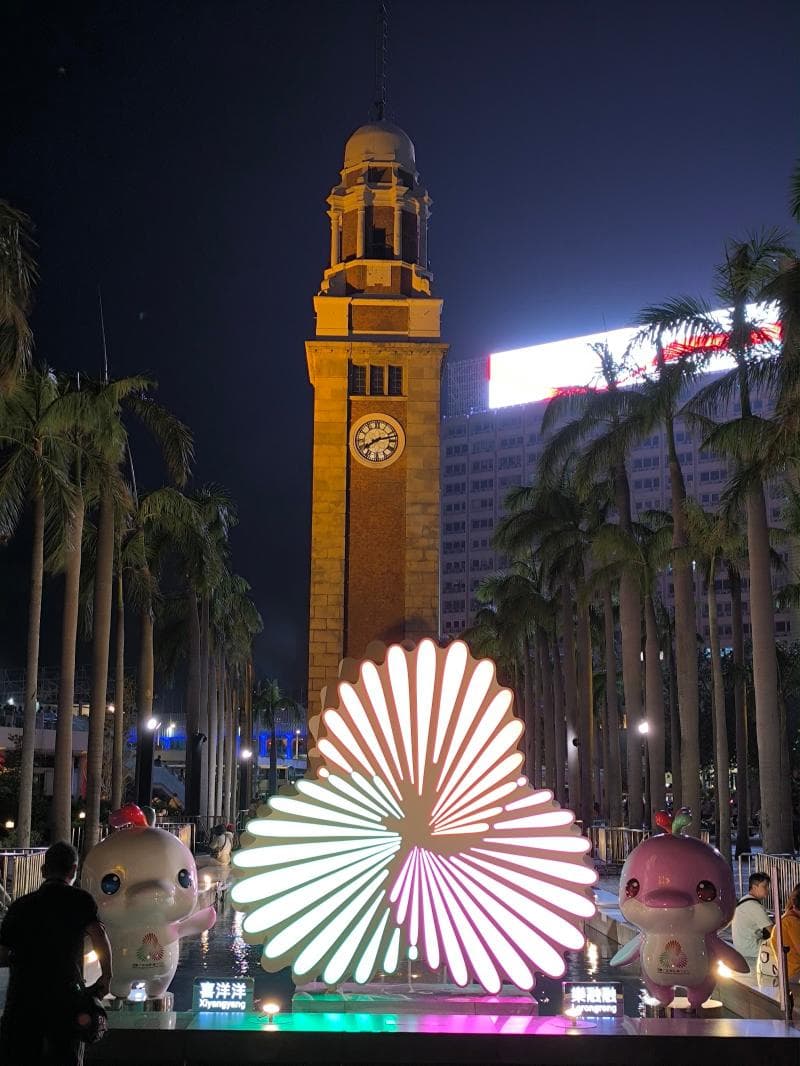
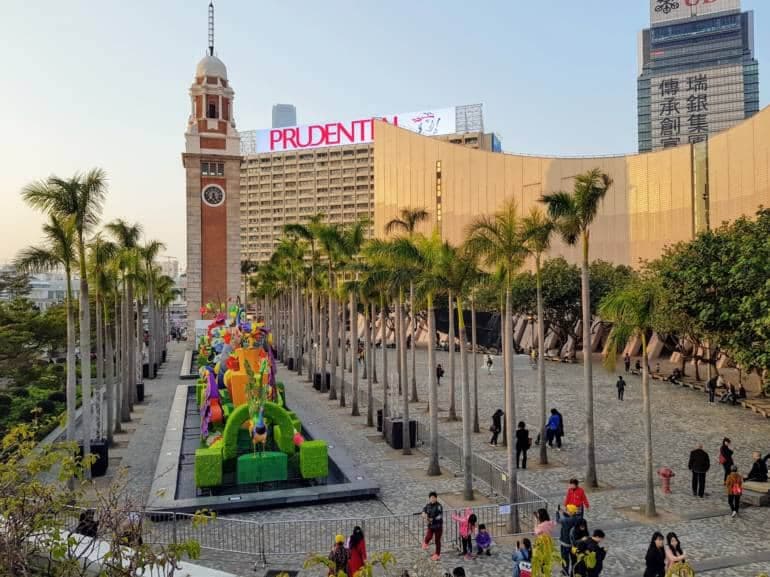
Discover Hong Kong's iconic Tsim Sha Tsui Clock Tower, a historic landmark on the promenade. Explore its railway past and unique Edwardian architecture.
Overview
Standing majestically at the southern tip of Tsim Sha Tsui, along the vibrant Victoria Harbour waterfront in Hong Kong, China, the Clock Tower is an iconic and enduring landmark. Officially known as the Former Kowloon-Canton Railway Clock Tower, this striking red brick and granite structure is a solitary yet powerful reminder of a bygone era. It rises 44 meters (144.4 feet) into the sky, crowned by an octagonal belfry and a 7-meter lightning rod, showcasing a distinctive Edwardian Classical Revival architectural style. The Clock Tower is the sole remaining vestige of the original Kowloon Station of the Kowloon-Canton Railway (KCR), which once served as a vital gateway for countless individuals entering and leaving Hong Kong. Today, it stands as a cherished monument, a silent observer to the city's dynamic evolution, and a popular meeting point for locals and visitors alike.
History & Cultural Background
The story of the Tsim Sha Tsui Clock Tower is deeply intertwined with Hong Kong's railway heritage. Its construction began in 1913 and was completed in 1915, becoming an integral part of the grand Kowloon-Canton Railway Terminus. The full railway terminus commenced operations in March 1916. For decades, the station and its towering clock served as a bustling hub, a point of arrival and departure for countless travelers, merchants, and especially Chinese immigrants seeking new beginnings in Hong Kong and beyond. It symbolized hope and connection, linking Hong Kong with mainland China and even, indirectly, with Russia and Europe.
A significant chapter in the Clock Tower's history came in 1975 when the Kowloon Station was relocated to Hung Hom. Despite public protests and petitions to preserve the entire station, the main terminus building was tragically demolished in 1978. However, due to strong public sentiment and recognition of its historical value, the Clock Tower was spared, standing as a 'collective memory' for the people of Hong Kong. Its importance was officially acknowledged on July 13, 1990, when it was gazetted as a Declared Monument under the Antiquities and Monuments Ordinance, ensuring its protection for future generations.
What Makes It Special
Beyond its historical significance, the Tsim Sha Tsui Clock Tower holds a special place in the hearts of many. Its Edwardian Classical Revival style, characterized by sturdy red bricks, elegant granite details, and an octagonal domed belfry, offers a stark yet beautiful contrast to the surrounding modern skyscrapers of the Tsim Sha Tsui Promenade and Victoria Harbour. It is a striking architectural anomaly that commands attention. The tower's enduring presence evokes a sense of nostalgia for Hong Kong's colonial past and its formative years as a bustling port and railway nexus. For many, it served as the very first sight of Hong Kong, a beacon welcoming them to a new life.
Today, the Clock Tower is more than just a historical relic; it is a vibrant part of the city's present. It acts as a natural focal point and gathering place, especially against the stunning backdrop of the Victoria Harbour skyline. Its elegant form is frequently photographed by tourists and locals, particularly during the 'blue hour' and at night when it is beautifully illuminated, creating a picturesque scene. The tower stands as a resilient symbol, connecting Hong Kong's rich past with its dynamic present, making it a truly unique and meaningful landmark.
Stories, Fun Facts & Local Details
- Early Challenges: The Clock Tower's iconic clocks were not installed immediately. Due to funding issues and disruptions from World War I affecting shipments from the UK, the clocks only arrived in Hong Kong in 1920 and began operating in 1921. Initially, it even had a clock on only one side before all four faces were completed.
- The Bell's Journey: The bronze bell inside the tower was crafted by John Taylor & Company, a renowned bell foundry in Loughborough, United Kingdom. After the station's demolition, the bell was displayed at various locations, including Sha Tin Station and the KCRC Office, before finally being returned to the Clock Tower in 2010 to coincide with the centenary of railway services.
- War-Time Camouflage: During the Japanese occupation of Hong Kong in World War II, the entire terminus, including the Clock Tower, was camouflaged in grey paint to conceal it. Its original red brick colour was only reinstated after the war. The clocks stopped running only during this period.
- Resumption of Chimes: While the chimes of the Clock Tower were removed in the early 1950s, they were melodiously resumed on December 9, 2021. The bell now rings hourly from 8 AM to midnight, synchronized digitally with the Hong Kong Observatory's web clock, adding a timeless soundscape to the promenade.
- Architectural Mastermind: The Kowloon-Canton Railway Terminus, including the Clock Tower, was designed by Arthur Benison Hubback, a British architect celebrated for his Edwardian Classical Revival style colonial buildings.
- A Cinematic Star: Given its iconic status, the Tsim Sha Tsui Clock Tower has graced the silver screen, appearing in numerous Hong Kong films as a memorable backdrop, further cementing its place in the city's cultural tapestry.
Visitor Perspective
Visiting the Tsim Sha Tsui Clock Tower offers a unique opportunity to connect with Hong Kong's rich past while enjoying the bustling present of the Tsim Sha Tsui Promenade. It is an open-air attraction, freely accessible to all, making it a perfect spot for leisurely exploration. Guests can marvel at its detailed Edwardian architecture, appreciate its robust construction of red brick and granite, and reflect on the millions of stories it silently witnessed as a gateway to the world.
The tower's prime location means it is incredibly easy to reach; travelers can take the MTR to East Tsim Sha Tsui Station (Exit L4) or enjoy a scenic ride on the Star Ferry to the Tsim Sha Tsui Pier, which is right next door. The area around the Clock Tower is a hub of activity, surrounded by other major attractions such as the Hong Kong Cultural Centre, the Hong Kong Space Museum, and the famous Avenue of Stars. It is an ideal starting point for a day of sightseeing, providing picturesque views of Victoria Harbour, especially enchanting during the evening when the city lights shimmer.
Please note for visitors planning to visit currently: the Clock Tower is undergoing maintenance works until late 2026. During this period, hoardings and scaffolding are in place, meaning the tower may not be fully visible to the public. However, even with maintenance, the surrounding promenade and adjacent attractions still offer a vibrant experience.
Coordinates: 114.1693639, 22.2936778
View on Google Maps💬 How Travelers Describe This Place
Based on community votes
Beautiful
836Interesting
795Must See
620Unique
522Photogenic
489
Traveler Stories
Discover memorable experiences shared by travelers who have visited this place.
No traveler stories yet.
Be the first traveler to share what made this place memorable.

Tour
By
Spot
Discover amazing places around the world. Your journey starts here.
Explore
© 2026 TourBySpot. All rights reserved.