Cliffside Beach
Cancún, Mexico
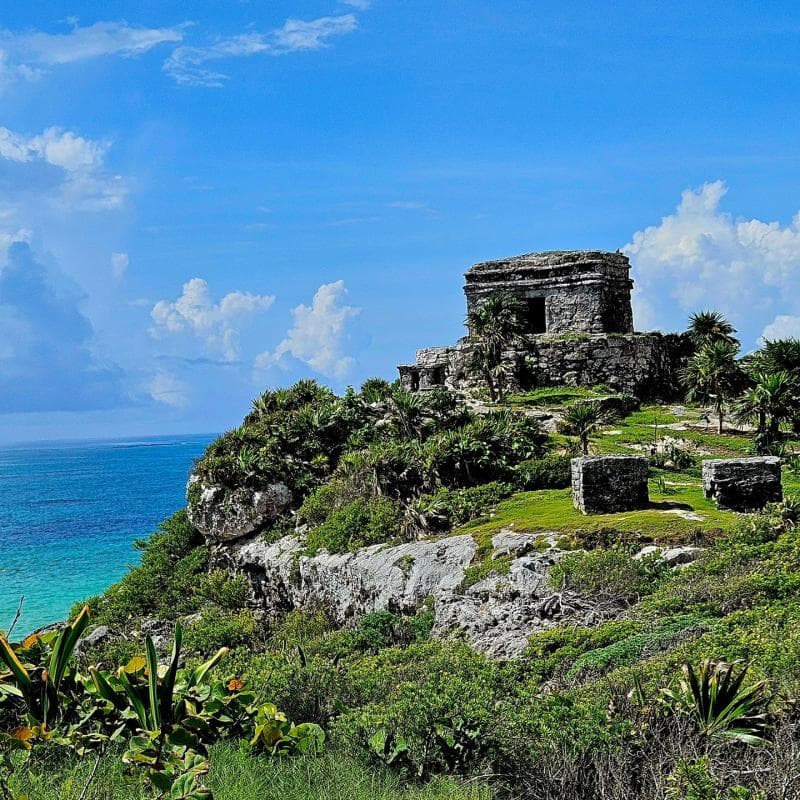
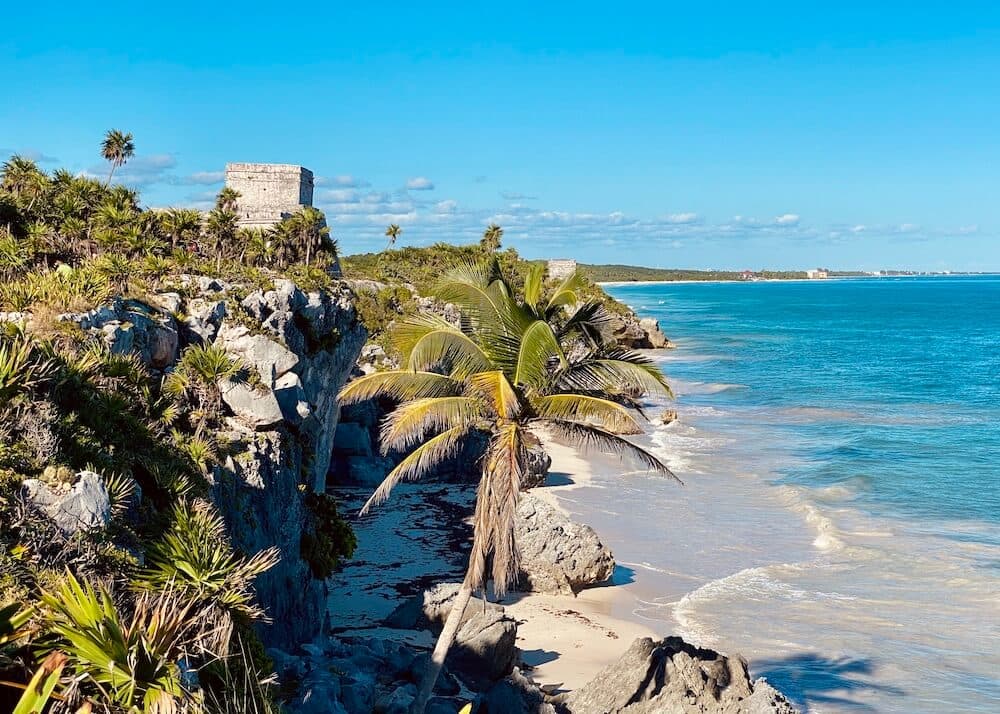
Discover Cliffside Beach (Playa Ruinas) at Tulum Ruins, Cancún, Mexico. Explore ancient Mayan history overlooking the stunning Caribbean Sea.
Overview
Nestled beneath the ancient Mayan city of Tulum, where limestone cliffs dramatically meet the turquoise Caribbean Sea, lies the breathtaking Playa Ruinas. This remarkable beach, often referred to as Tulum Ruins Beach, offers a uniquely captivating experience, allowing visitors to immerse themselves in both rich history and stunning natural beauty. Unlike many archaeological sites hidden inland, Tulum boasts this pristine stretch of white sand and clear waters directly below its iconic structures, making it one of Mexico's most picturesque destinations.
Accessed through the Tulum Archaeological Zone, Playa Ruinas is not just a place to relax; it is an integral part of understanding the ancient Maya's connection to their coastal environment. The ability to swim in the Caribbean waters with the imposing El Castillo towering above is a truly unforgettable experience, blending leisure with a profound sense of historical presence.
History & Cultural Background
The city of Tulum, originally known as 'Zamá' or 'Place of the Dawning Sun', was a thriving walled port city during the Late Postclassic period of the Mayan civilization, primarily between the 13th and 15th centuries. Its strategic location atop 12-meter (39 ft) cliffs made it an essential hub for maritime trade, connecting inland Maya communities with distant regions. The massive stone walls protecting the city on three sides, with the natural cliff and sea forming the fourth, underscore its importance as a defensive and commercial stronghold.
Tulum was one of the last Maya cities to be built and inhabited, flourishing long after many other major Maya centers had declined. Its significance as a trading post is evident through the goods exchanged here, including obsidian and jade, vital resources for the Maya. The city continued to be occupied for about 70 years after the Spanish first explored Mexico in the early 16th century, eventually abandoned due to Old World diseases brought by the conquistadors.
What Makes It Special
What truly sets Playa Ruinas apart is its extraordinary juxtaposition of ancient human endeavor and pristine natural wonder. It is the only major Mayan archaeological site located directly on the coast, allowing visitors the rare opportunity to swim in the Caribbean Sea at the foot of ancient ruins. The brilliant white sands, calm, clear turquoise waters, and dramatic backdrop of the Maya temples, particularly El Castillo, create an unparalleled visual spectacle.
The beach itself is a small, secluded cove, often described as serene and picturesque. The sheer limestone cliffs, carved over millennia, add to the dramatic beauty, while the vibrant marine life makes it an appealing spot for snorkeling. It offers a unique window into how the ancient Maya integrated their civilization with the natural environment, utilizing the sea not just for trade but also for spiritual and practical purposes.
Stories, Fun Facts & Local Details
Tulum's original name, Zamá, meaning 'place of the dawning sun', hints at its eastward-facing orientation, strategically positioned to catch the first rays of sunlight and serve as a beacon for incoming canoes. The site's main temple, El Castillo, also functioned as a lighthouse, guiding Maya traders through a break in the barrier reef. Murals and carvings within the ruins, such as those depicting the 'Descending God', offer insights into the spiritual beliefs and cosmology of the Maya who lived here.
The path down to Playa Ruinas is typically via a wooden staircase along the cliffside, adding to the sense of discovery. While beautiful, the northern end of the beach under the ruins is sometimes closed to protect sea turtles during nesting season, usually from May to October. This highlights the ongoing efforts to preserve both the cultural heritage and the delicate ecosystem of this special place.
Visitor Perspective
Visiting Playa Ruinas typically involves first entering the Tulum Archaeological Zone, which is part of the larger Tulum National Park. An entrance fee is required, and it is recommended to bring cash (Mexican pesos) for tickets and any additional fees, such as parking. To avoid crowds and enjoy cooler temperatures, it is best to arrive early in the morning, ideally right when the site opens at 8 AM.
From the archaeological site, a marked path, often past the new Mayan lighthouse, leads to the staircase descending to the beach. While the beach itself is public, once you leave the ruins area to access it, re-entry to the ruins is generally not permitted. Visitors should come prepared with a swimsuit, towel, sunscreen (biodegradable is often encouraged due to environmental protection), a hat, and plenty of water, as facilities directly on the beach are minimal. The experience offers unparalleled photo opportunities and a refreshing dip in the Caribbean after exploring the ancient city.
Coordinates: -87.4294, 20.213
View on Google Maps💬 How Travelers Describe This Place
Based on community votes
Interesting
951Beautiful
748Must See
499Photogenic
491Unique
427
Traveler Stories
Discover memorable experiences shared by travelers who have visited this place.
No traveler stories yet.
Be the first traveler to share what made this place memorable.

Tour
By
Spot
Discover amazing places around the world. Your journey starts here.
Explore
© 2026 TourBySpot. All rights reserved.