City Pillar Shrine
Chiang Mai, Thailand
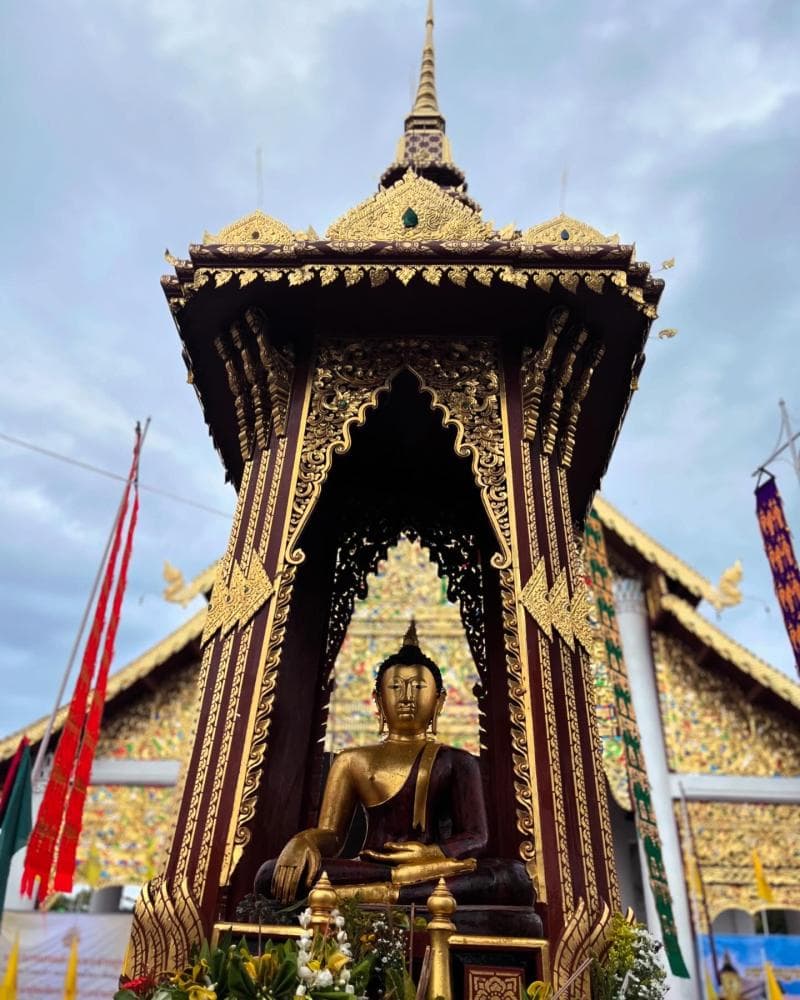
Explore Chiang Mai's sacred City Pillar Shrine (Sao Inthakhin) at Wat Chedi Luang, a spiritual heart protecting the city's prosperity. Discover its history & cultural significance.
Overview
Deep within the ancient walls of Chiang Mai's historic center, nestled within the expansive grounds of Wat Chedi Luang, lies a site of profound spiritual significance: the City Pillar Shrine. Known locally as Sao Inthakhin, or the Lak Mueang, this unassuming pavilion houses the revered city pillar, which is believed to be the dwelling place of Chiang Mai's guardian spirit. It serves as a vital anchor for the city's prosperity and the well-being of its inhabitants, embodying centuries of tradition and local belief. Despite its modest appearance, the City Pillar Shrine holds immense ritual importance for the community, acting as a focal point for prayers and an annual festival that reaffirms the city's connection to its spiritual protectors.
History & Cultural Background
The story of Chiang Mai's City Pillar begins with the city's very foundation. King Mengrai, the founder of the Lanna Kingdom, originally erected the Inthakhin pillar on April 12, 1296 CE, marking the auspicious birth of Chiang Mai. Its initial home was at Wat Sadue Mueang, also known as Wat Inthakhin, which translates to 'Temple of the Navel of the City'. This original placement signified its role as the spiritual heart of the new settlement. The veneration of a city pillar, or Lak Mueang, traces its roots to the indigenous Lawa people, the region's earliest inhabitants, whose animist traditions were later integrated into the broader cultural fabric of the Thai Yuan people who built Chiang Mai.
Centuries later, after a period of Burmese occupation, Lanna King Kawila undertook the renovation of Chiang Mai in 1800 CE. During this time, he relocated the sacred Sao Inthakhin from its original, by then decayed, temple to its current, prominent position within the grounds of Wat Chedi Luang. To further ensure the city's protection, King Kawila also planted three majestic resin trees, known as Dipterocarp trees, near the shrine, believing they would assist the city pillar in safeguarding Chiang Mai.
The name 'Inthakhin' itself carries a deeper meaning, translating to 'Indra's Pillar', referencing the Hindu deity Indra, who, according to legend, bestowed the pillar upon the early inhabitants for protection against malevolent forces.
What Makes It Special
The City Pillar Shrine is exceptional because it represents the enduring spiritual essence and protective heart of Chiang Mai. It is not merely a historical artifact but a living symbol, believed to actively safeguard the city from harm and ensure its prosperity and fertility.
Its special status is most vividly displayed during the annual Inthakhin Festival. This eight-day celebration, typically held in May or June, is a vibrant spectacle of local faith and cultural devotion. During this time, the shrine becomes the epicenter of ceremonies where residents make elaborate offerings of flowers, candles, and incense, seeking blessings for the city and themselves.
Furthermore, the three massive Dipterocarp trees planted nearby are more than just trees; they are considered integral guardians of the city alongside the pillar. Local lore holds a powerful belief: should the tree closest to the Sao Inthakhin ever fall, it would portend a great catastrophe for Chiang Mai. This deeply held superstition underscores the profound spiritual connection the community has with this sacred site.
Stories, Fun Facts & Local Details
One of the most captivating aspects of the City Pillar Shrine is the rich tapestry of legends surrounding it. Ancient tales recount that the god Indra originally presented the pillar to the Lawa people, the original inhabitants, as a divine safeguard against evil. However, when the Lawa neglected their duties to the pillar, Indra reportedly withdrew it. He later instructed them to create a replica, promising continued prosperity and protection for the city if the pillar was honored and its people lived virtuous lives.
This legend played a significant role in the revival of the city pillar's veneration. During the nearly two-century long Burmese occupation, Chiang Mai experienced severe hardship. Many residents believed these misfortunes were a direct result of their ancestors failing to adequately respect the city's guardian spirits. Consequently, when King Kawila reclaimed and rebuilt Chiang Mai in 1800, he made the relocation and renewed veneration of the Sao Inthakhin a paramount act, seeking to restore the city's spiritual equilibrium and protective blessings.
The Inthakhin Festival, also known as Sai Khan Dok (Flower Bowl Blessing) or Bucha Sao Inthakhin, is a unique Chiang Mai tradition that beautifully blends Brahmic origins with Buddhist practices. It commences with a solemn procession around the old city, featuring a revered Buddha image known as Phra Fon Saen Haa (the Five Hundred Thousand Raindrop Buddha). This procession and the subsequent offerings of flowers and candles at the shrine are a heartfelt plea for good fortune, abundant rains, and overall balance for the community.
Visitor Perspective
For the curious traveler, visiting the City Pillar Shrine offers a unique opportunity to connect with the living spiritual heritage of Chiang Mai. While the shrine itself is housed in a modest, open-sided pavilion, its powerful aura is palpable, drawing both local devotees and respectful visitors. Observing the shrine allows one to glimpse the deep-rooted cultural beliefs that continue to shape the daily lives and spiritual practices of the people of Chiang Mai.
Visitors are encouraged to dress modestly, as is customary when entering any sacred site in Thailand, respecting the traditions of the local culture. Though the shrine's visual simplicity might initially surprise some, its profound ritual importance is unmistakable. If your visit coincides with the Inthakhin Festival, you will be treated to an extraordinary and intimate view of Chiang Mai's spiritual heart, witnessing centuries-old rituals unfold with vibrant energy and deep devotion. It's an experience that transcends mere sightseeing, offering a window into the soul of this ancient Lanna city.
Coordinates: 98.98686, 18.78697
View on Google Maps💬 How Travelers Describe This Place
Based on community votes
Unique
674Beautiful
503Photogenic
261Must See
92Interesting
49
Traveler Stories
Discover memorable experiences shared by travelers who have visited this place.
No traveler stories yet.
Be the first traveler to share what made this place memorable.

Tour
By
Spot
Discover amazing places around the world. Your journey starts here.
Explore
© 2026 TourBySpot. All rights reserved.