City Moat
Chiang Mai, Thailand
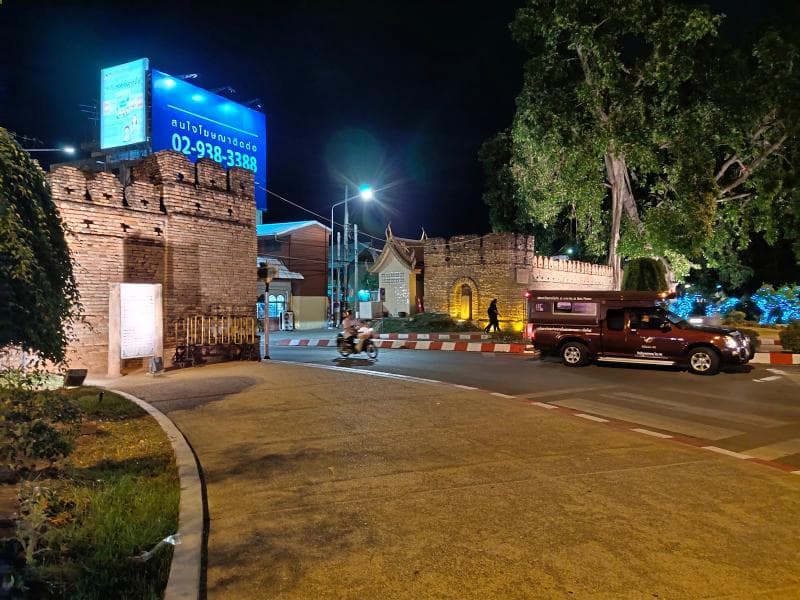
Discover the historical Chiang Mai City Moat, the ancient heart of Northern Thailand's Lanna Kingdom, with its rich history and cultural significance.
Overview
Encircling the heart of Chiang Mai's Old City in Thailand, the City Moat is far more than just a body of water; it is the historical and geographical anchor of this ancient Lanna capital. This remarkably square, water-filled trench, complemented by remnants of brick walls and grand gates, forms a distinct boundary, inviting travelers to step back in time. It defines a compact, walkable area brimming with cultural treasures, Buddhist temples, and vibrant local life.
The moat, approximately 1.6 kilometers (one mile) on each side, functions as a natural compass for exploring the Old City. Today, it serves both as a picturesque landmark and a practical feature, with roads running along its inner and outer banks, guiding visitors through the historical landscape of Chiang Mai.
History & Cultural Background
The story of the City Moat begins in 1296 when King Mengrai established Chiang Mai as the new capital of his burgeoning Lanna Kingdom. The city's layout, a near-perfect square, was no accident but a meticulously planned design rooted in military strategy and astrological beliefs. King Mengrai enlisted a massive workforce to construct the city's defenses, including a perimeter wall and the essential moat.
Initially, the city walls were likely constructed from earth, but over centuries, they underwent significant renovations, notably being rebuilt with thicker brick walls during the reign of Phra Muang Kaew (1495–1525) and further reinforced by King Kawila in the late 18th century after liberating the city from Burmese control. The moat itself, originally around 20 meters wide, was fed by channels from the Ping River, serving as both a formidable defensive barrier against invaders and a crucial water source and drainage system for the city. The strategic placement of gates and bastions around the moat also carried profound geomantic and ceremonial significance, reflecting Lanna Buddhist principles of sacred urban planning.
What Makes It Special
The Chiang Mai City Moat stands out as a unique historical feature because, unlike many other ancient cities in Thailand, its walls and gates remain an integral and visible part of the urban fabric. It provides a tangible link to Chiang Mai's 700-year-old past, making the entire Old City a living, open-air museum.
The square perimeter of the moat and its accompanying walls frame a remarkable concentration of Lanna-era temples, such as Wat Phra Singh and Wat Chedi Luang, making the area incredibly accessible and enjoyable for exploration on foot. While much of the visible brickwork on the walls today includes extensive 20th-century restoration, the moat itself largely follows its original alignment, preserving its ancient defensive purpose. The four corner bastions, locally known as 'jaengs', such as Jaeng Sri Phum (Northeast) and Jaeng Hua Lin (Northwest), offer quiet pockets of historical reflection. The five main city gates—Tha Phae, Chang Phuak, Suan Dok, Chiang Mai Gate, and Suan Prung—each possess their own character and historical narrative, acting as significant entry points and cultural hubs.
Stories, Fun Facts & Local Details
The City Moat is deeply woven into the local culture and continues to play a significant role in daily life and annual traditions. One of the most cherished stories is its spiritual connection to the Songkran festival, the Thai New Year celebration in April. During this joyous occasion, the moat's water is considered blessed, and the area around it transforms into a vibrant water-splashing zone, symbolizing purification and new beginnings. Locals and visitors alike enthusiastically participate, greeting each other with 'Sawasdee Pee Mai' (Happy New Year).
Each of the city's gates has its own tales. Tha Phae Gate, on the eastern side, is often regarded as the 'front door' of the Old City. Historically, it was the ceremonial entrance for royal processions arriving from the Ping River, and today it remains a lively hub for festivals, parades, and the famous Sunday Walking Street market. To the north, Chang Phuak Gate buzzes with one of the city's best street food markets after dark, a favorite among locals for its authentic Northern Thai dishes. The street lanterns lining the moat, a gift from the Japanese government, add a charming glow, especially during evening walks. The precise, geomancy-driven orientation of the city's construction speaks to a belief system where the city itself was viewed as a living entity with a head, a navel, and a guardian spirit.
Visitor Perspective
For the curious traveler, the Chiang Mai City Moat offers an immersive experience into the city's past and present. It serves as a constant, easily recognizable landmark that helps in navigating the Old City's grid of temples and streets. Exploring the moat can be as active or as leisurely as one desires. A full circuit walk or cycle around the 6.4-kilometer perimeter provides a comprehensive view of the city's historical boundaries, offering glimpses of old brick walls, fortified bastions, and the bustling life alongside the water.
Many find that the early morning hours, when the moat lies glassy and quiet, with monks and joggers providing the main activity, offer a peaceful start to the day. In the evenings, the brick walls take on a warm glow, and the atmosphere becomes more vibrant, especially near the main gates where street vendors and performers gather. The moat road, with its inner and outer one-way lanes, is frequented by locals for exercise and social gatherings, making it a wonderful place to observe daily Chiang Mai life. For those seeking deeper historical context, combining a stroll around the moat with visits to nearby museums like the Lanna Folklife Museum or the Chiang Mai City Arts and Cultural Centre enhances the understanding of this enduring landmark.
Coordinates: 98.98468, 18.79038
View on Google Maps💬 How Travelers Describe This Place
Based on community votes
Interesting
958Beautiful
743Unique
719Photogenic
382Must See
176
Traveler Stories
Discover memorable experiences shared by travelers who have visited this place.
No traveler stories yet.
Be the first traveler to share what made this place memorable.

Tour
By
Spot
Discover amazing places around the world. Your journey starts here.
Explore
© 2026 TourBySpot. All rights reserved.