City Garden
Sofia, Bulgaria
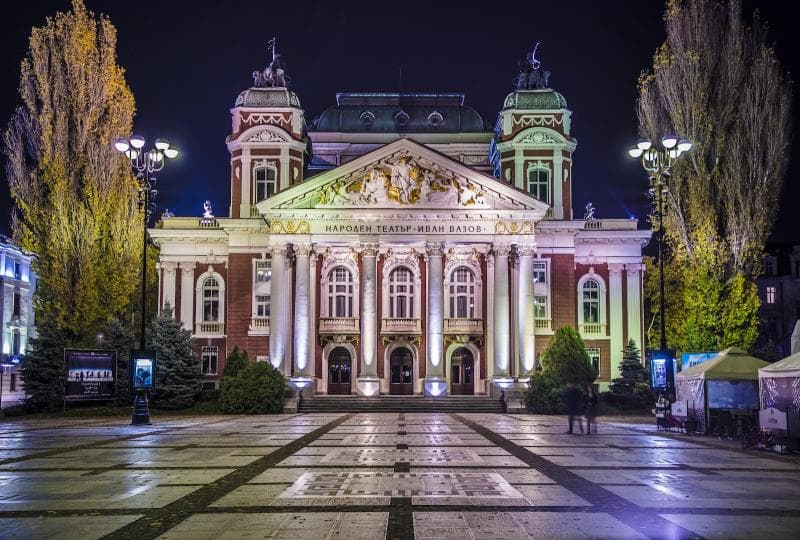
Explore City Garden, Sofia, Bulgaria's oldest central park adjacent to Ivan Vazov National Theatre, a hub of history, culture, and local life.
Overview
Nestled in the vibrant heart of Sofia, Bulgaria, the City Garden, known locally as Gradska gradina, stands as the capital's oldest and most central public park. It offers a verdant retreat from the urban bustle, directly fronting the majestic Ivan Vazov National Theatre. More than just a green space, this historic garden serves as a lively cultural hub, a meeting point for locals, and a place where the city's past and present gracefully converge.
The City Garden's prime location places it amidst other significant cultural institutions, including the National Gallery and the Sofia City Art Gallery, making it an integral part of Sofia's artistic and historical core. Its tree-lined pathways, charming fountains, and seasonal floral displays create an inviting atmosphere for relaxation, reflection, and social interaction. Often affectionately referred to as the 'living room' of Sofia's residents, it embodies the spirit of communal life in the capital.
History & Cultural Background
The origins of Sofia's City Garden trace back to 1872, making it a fixture in the city even before Bulgaria's liberation from Ottoman rule. Following the country's independence in 1878, the garden underwent a significant transformation. Under the initiative of temporary governor Pyotr Alabin and designed by the city architect Antonín Kolář (also known as Adolf Václav Kolář), the garden was radically reorganized to reflect Sofia's new status as a modern European capital.
Initially named the Alexander II Garden, in honor of the Russian Tsar who played a pivotal role in Bulgaria's liberation, it was officially opened on April 4, 1878. Over the decades, notable gardeners like Karl Betz, Daniel Neff, and Iliya Todorov contributed to shaping its appearance, which it largely retained until the mid-20th century. A significant shift in its layout and orientation occurred after the Second World War, moving its focus towards the newly prominent Ivan Vazov National Theatre, constructed between 1906 and 1907.
The theatre itself is a masterpiece of neoclassical architecture, designed by acclaimed Viennese architects Hermann Helmer and Ferdinand Fellner. Though it suffered damage from a fire in 1923 and later from World War II bombings, the theatre was meticulously reconstructed, preserving its grandeur and iconic status. The complementary presence of the theatre and the garden has made this area a central stage for both nature's beauty and human artistry.
What Makes It Special
The City Garden is distinguished by its unique blend of historical significance, natural beauty, and vibrant cultural life. As Sofia's oldest park, it carries generations of stories within its boundaries. Its symmetrical pathways, carefully arranged flowerbeds, and classic fountains contribute to a refined character that is both soothing and inspiring.
One of its most iconic features is the large ornamental fountain located directly in front of the Ivan Vazov National Theatre, often described as featuring a 'dancing woman.' This fountain, along with numerous benches, provides a perfect spot for people-watching and enjoying the refreshing ambiance, especially during warmer months.
Beyond its aesthetic appeal, the garden is a dynamic social space. It's renowned for being a favorite haunt for amateur chess players, who can be seen engrossed in games at dedicated tables throughout the year. This tradition adds a unique, intellectual charm to the park's relaxed atmosphere.
Stories, Fun Facts & Local Details
The City Garden holds a special place in Bulgarian history, particularly in the story of tourism. It was from this very garden, on August 27, 1895, that a group of around 300 individuals, led by the celebrated writer Aleko Konstantinov, embarked on a climb up Cherni vrah in the Vitosha mountains. This event is widely regarded as the birth date of organized tourism in Bulgaria.
For many years, the garden was also home to the Georgi Dimitrov Mausoleum, a prominent Communist-era structure. Its demolition in 1999 significantly altered the landscape, opening up new vistas and allowing for a better appreciation of the surrounding historical buildings, including the National Art Gallery.
Today, the garden continues its legacy as a site for public gatherings and celebrations. It frequently hosts various festivals, bazaars, and open-air exhibitions. You might even catch a traditional Bulgarian 'horo' dance being performed in front of the theatre, adding a spontaneous burst of cultural energy to the scene.
Visitor Perspective
Visiting the City Garden offers a truly immersive experience into Sofia's local culture and daily life. It is a place where young and old converge, from students with guitars to elderly citizens sharing stories. The sound of the fountain provides a calming backdrop, while the neoclassical elegance of the Ivan Vazov National Theatre stands as a dignified sentinel.
Whether you seek a quiet moment of reflection, an opportunity to observe local life, or simply a beautiful spot to enjoy a coffee, the City Garden provides it all. Its central location makes it an ideal starting point for exploring other major landmarks in Sofia, allowing you to easily combine a leisurely stroll with cultural sightseeing. The garden's ability to remain a cherished spot for both residents and visitors alike underscores its timeless appeal and enduring significance in the Bulgarian capital.
Coordinates: 23.32528, 42.695
View on Google Maps💬 How Travelers Describe This Place
Based on community votes
Beautiful
556Interesting
470Photogenic
410Unique
254Must See
145
Traveler Stories
Discover memorable experiences shared by travelers who have visited this place.
No traveler stories yet.
Be the first traveler to share what made this place memorable.

Tour
By
Spot
Discover amazing places around the world. Your journey starts here.
Explore
© 2026 TourBySpot. All rights reserved.