Cherry blossom areas
Osaka, Japan
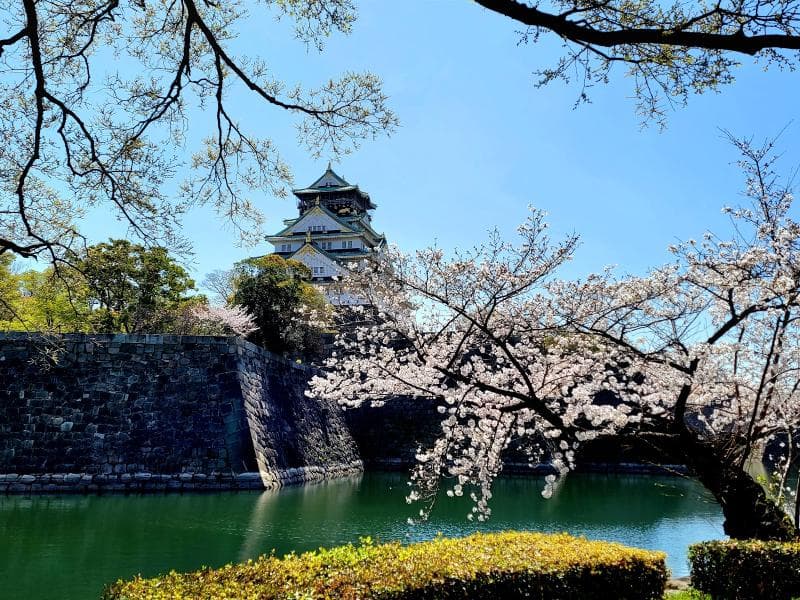
Discover the enchanting cherry blossom areas at Osaka Castle in Osaka, Japan. Explore Nishinomaru Garden's stunning sakura and historical views.
Overview
Nestled in the heart of Osaka, Japan, the majestic Osaka Castle is not only a historical landmark but also a spectacular destination for experiencing the ephemeral beauty of cherry blossoms. The extensive grounds of Osaka Castle Park, spanning approximately 105 to 106 hectares, transform into a breathtaking canvas of soft pink and white during spring, drawing countless visitors to witness its natural splendor. Within this vast park, Nishinomaru Garden stands out as a particularly renowned cherry blossom viewing area, offering picturesque views of the castle keep framed by delicate sakura petals.
With over 3,000 cherry trees scattered throughout the park, and an additional 300 to 600 trees specifically in Nishinomaru Garden, the Osaka Castle area provides an immersive hanami (flower viewing) experience. The predominant variety is the Somei Yoshino, known for its pale pink blossoms that gracefully fade to white, creating a 'cloud' of flowers. However, visitors can also find other varieties such as Yama-zakura, Sato-zakura, Shidarezakura (weeping cherry trees), and the later-blooming Yaezakura near the Tamatsukuri Gate, extending the viewing season. Peak bloom typically occurs from late March to early April, though this can vary slightly each year.
History & Cultural Background
Osaka Castle itself boasts a rich history, originally constructed in the late 16th century by the powerful warlord Toyotomi Hideyoshi, who sought to unify Japan. The castle has witnessed centuries of battles, political intrigue, and multiple reconstructions, making it a symbol of ambition and resilience. The practice of hanami, or cherry blossom viewing, is deeply embedded in Japanese culture, symbolizing the transient nature of beauty and life. This tradition finds a perfect setting against the backdrop of Osaka Castle's ancient stone walls and historic structures.
Nishinomaru Garden, a significant cherry blossom spot within the castle grounds, was established in the 1960s. Historically, it was once the site of the residence of Kita-no-mandokoro, Toyotomi Hideyoshi's wife. The integration of these delicate blossoms with the formidable castle creates a profound visual and cultural experience, connecting visitors to centuries of Japanese heritage. The annual sakura season transforms this historical site into a vibrant celebration of nature's cycle, revered since ancient times.
What Makes It Special
What makes the cherry blossom areas at Osaka Castle truly special is the harmonious blend of natural beauty with profound historical significance. Nishinomaru Garden, in particular, offers sprawling lawns and exceptional views of the main castle tower across its moat, making it an ideal spot for photography and leisurely picnics. During the peak season, Nishinomaru Garden extends its hours for special night illuminations, known as 'yozakura', where the cherry trees are lit up, creating a magical and ethereal atmosphere against the night sky and the illuminated castle.
Beyond the cherry blossoms, Osaka Castle Park also features a remarkable Plum Grove (Umebayashi). This grove contains over 1,000 plum trees of more than 100 varieties, which bloom earlier in the year, typically from late January to early March. The plum blossoms, with their diverse colors and fragrant aroma, offer a beautiful prelude to the cherry blossom season, providing another layer of seasonal beauty for early spring visitors.
Stories, Fun Facts & Local Details
The act of hanami is more than just viewing flowers; it's a social event where friends, families, and colleagues gather under the blooming trees to share food, drinks, and laughter. This tradition dates back centuries, and Osaka Castle Park is one of the city's most beloved venues for these gatherings. While the park itself is generally free to enter, Nishinomaru Garden usually requires a small admission fee, which tends to be slightly higher during the cherry blossom season.
A fun fact is that visitors are encouraged to bring blankets and find a spot on the grassy areas to enjoy their picnics, fully immersing themselves in the hanami experience. The variety of cherry trees ensures that even if you miss the initial peak bloom of the Somei Yoshino, you might still catch the later-blooming Yaezakura, extending the window to enjoy the sakura season at Osaka Castle.
Visitor Perspective
Visiting the cherry blossom areas at Osaka Castle offers a quintessential Japanese spring experience. Start by exploring the expansive Osaka Castle Park, where pathways are often lined with cherry trees, creating natural tunnels of blossoms. Many visitors enjoy strolling around the castle's impressive moats and walls, capturing photographs of the castle keep framed by the vibrant pink. For a more focused and often less crowded experience, a visit to Nishinomaru Garden is highly recommended. While it has an entrance fee, the garden provides beautifully maintained lawns and some of the best vantage points for viewing the castle with the blossoms.
Consider timing your visit for the evening to witness the breathtaking night illuminations in Nishinomaru Garden, an experience that transforms the landscape into a dreamlike spectacle. To make the most of your trip, check cherry blossom forecasts, which are typically issued by Japanese weather sites, to estimate the peak bloom period. Regardless of the exact timing, the combination of historical grandeur and natural artistry at Osaka Castle during spring promises an unforgettable journey.
Coordinates: 135.52599659759832, 34.686624870079804
View on Google Maps💬 How Travelers Describe This Place
Based on community votes
Photogenic
547Interesting
336Unique
219Beautiful
186Must See
80
Traveler Stories
Discover memorable experiences shared by travelers who have visited this place.
No traveler stories yet.
Be the first traveler to share what made this place memorable.

Tour
By
Spot
Discover amazing places around the world. Your journey starts here.
Explore
© 2026 TourBySpot. All rights reserved.