Chapels
Nice, France
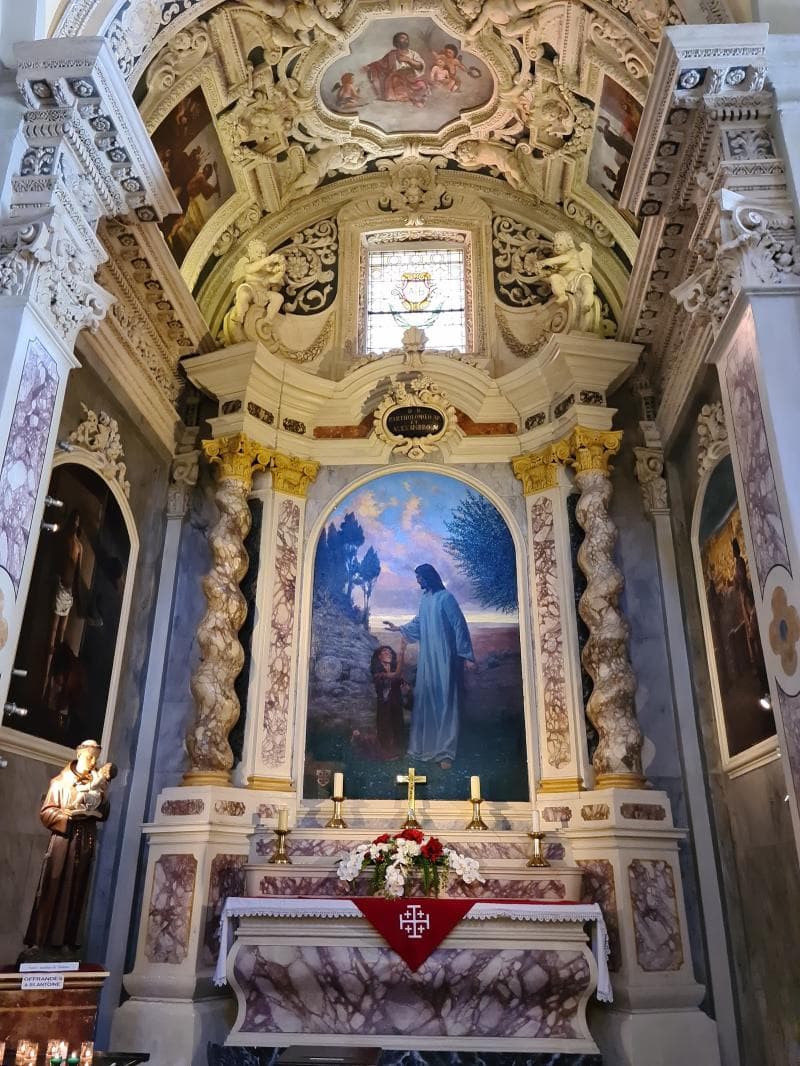
Explore the ten richly decorated chapels within Cathédrale Sainte-Réparate in Nice, France, showcasing Baroque art and centuries of history.
Overview
Stepping into the Cathédrale Sainte-Réparate, nestled in the vibrant Old Town of Nice, France, is like entering a treasure chest of Baroque artistry. While the entire edifice is a testament to 17th-century grandeur, it is within its ten richly adorned chapels that the cathedral's spiritual and artistic heart truly beats. Each chapel offers a unique glimpse into centuries of devotion and craftsmanship, serving as miniature sanctuaries within this grand basilica. They invite a moment of quiet contemplation, allowing visitors to absorb the intricate details and profound history contained within their walls.
History & Cultural Background
The construction of the Cathédrale Sainte-Réparate, primarily in the Baroque style, spanned from 1650 to 1699, though its foundations trace back to earlier religious structures on the site. The presence of numerous chapels within the cathedral is a hallmark of this architectural period, where wealthy families and powerful guilds would commission and maintain these spaces to honor saints, secure blessings, and display their piety and influence. This practice led to a vibrant array of artistic expressions, with each chapel reflecting the tastes and resources of its patrons. Until the late 17th century, various guilds were directly responsible for the upkeep and decoration of specific chapels, fostering a competitive spirit that enriched the cathedral's interior with an extraordinary level of detail and artistry.
The overall interior design, particularly evident in the chapels, showcases a strong Genoese influence, a nod to the region's historical ties and artistic currents. This is manifest in the sumptuous decoration, featuring marble altars, gilded stucco work, and elaborate frescoes that create a truly immersive experience. The cathedral is dedicated to Sainte Réparate, a young Palestinian martyr whose relics are venerated beneath the main altar, and one of the most significant chapels is dedicated in her honor, preserving her story for future generations.
What Makes It Special
The chapels of Cathédrale Sainte-Réparate are a collective masterpiece, each a distinct tableau of Baroque splendor. What makes them truly special is their individual character, while collectively contributing to the cathedral's awe-inspiring interior. Visitors will discover a visual symphony of artistic elements: gleaming marble altars, intricate gilded stucco that catches the light, and centuries-old frescoes that depict religious narratives and heavenly scenes. These details showcase the remarkable skill of artisans from various periods, transforming each chapel into a unique work of art.
Among these, the Chapel of the Crucifixion stands out, acquired and completed between 1679 and 1696. It houses a tall wooden crucifix, set against an 1837 painting by Joseph Provensau, which dramatically portrays Saint John, the Virgin Mary, and Mary Magdalene at Calvary, offering a profound focal point for reflection. Another deeply significant space is the Chapel of Saint Réparate, where the revered relics of Nice's patron saint are enshrined. This chapel, often identified as the second on the left upon entering, serves as a poignant reminder of the cathedral's namesake and her enduring legacy.
Stories, Fun Facts & Local Details
The very existence of the chapels is interwoven with fascinating local history. Imagine the powerful guilds, from bakers to fishermen, each taking immense pride in sponsoring and decorating 'their' chapel. This wasn't just about religious devotion; it was also a reflection of their civic identity and social standing within Nice. The competition to create the most beautiful chapel likely spurred on the elaborate artistic displays we see today.
The legend of Sainte Réparate herself is a captivating local tale that deeply connects to the cathedral and its chapels. According to tradition, after her martyrdom in Palestine in the 3rd century, her body was placed in a boat and guided by angels across the sea, eventually washing ashore in Nice. This miraculous journey is said to be the origin of the 'Baie des Anges' – the Bay of Angels – an emblematic name for Nice's famous bay. This story not only gives meaning to the cathedral's dedication but also adds a layer of emotional resonance to the chapel honoring her.
While most chapels stand testament to enduring artistry, one, the Chapel of Saints Alexander and Bartholomew, met a tragic end. It was destroyed by fire in 1989 and, unfortunately, has not been rebuilt, serving as a subtle reminder of the fragility of historical treasures.
Visitor Perspective
Visiting the chapels within Cathédrale Sainte-Réparate is an experience of discovery and quiet awe. As you wander through the cathedral's nave, each chapel beckons with its unique beauty, from the smallest devotional alcove to the grander, more elaborately decorated spaces. The atmosphere is one of serene grandeur, a stark yet harmonious contrast to the bustling Place Rossetti outside. Take your time to step into each one, observing the meticulous details of the frescoes, the carvings on the altars, and the delicate play of light on the gilded surfaces. It's a journey through religious art and local history, offering a peaceful retreat and a chance to connect with the spiritual heritage of Nice. Remembering that this is an active place of worship, a respectful demeanor and modest attire (covering shoulders and knees) are appreciated, enhancing the contemplative experience for all.
Coordinates: 7.275614, 43.697143
View on Google Maps💬 How Travelers Describe This Place
Based on community votes
Unique
836Interesting
797Photogenic
286Beautiful
255Must See
86
Traveler Stories
Discover memorable experiences shared by travelers who have visited this place.
No traveler stories yet.
Be the first traveler to share what made this place memorable.

Tour
By
Spot
Discover amazing places around the world. Your journey starts here.
Explore
© 2026 TourBySpot. All rights reserved.