Chapel
Innsbruck, Austria
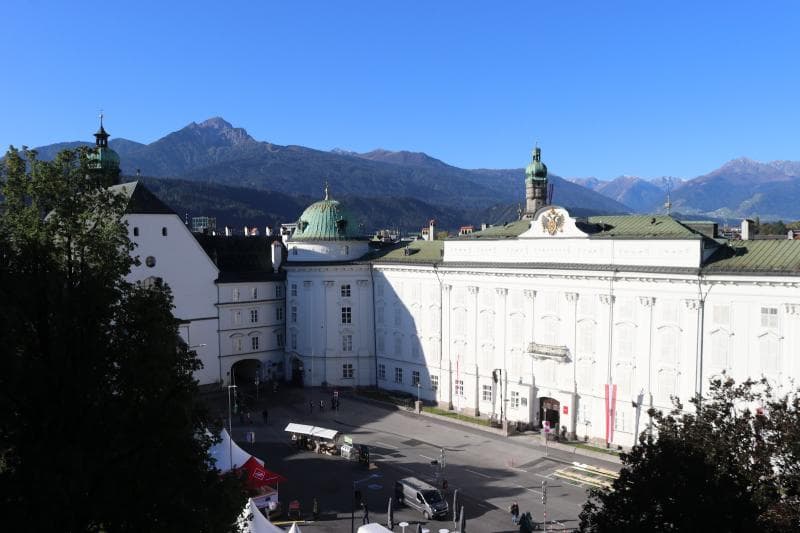
Discover the poignant Hofburg Chapel in Innsbruck, Austria. Explore Empress Maria Theresa's memorial to her late husband, Emperor Francis I, a Rococo gem.
Overview
Deep within the historic Hofburg Innsbruck, Austria's Imperial Palace, lies a profoundly moving space known simply as the Chapel. This is not just any chapel; it is a poignant memorial born out of love and loss. Converted from the very room where Holy Roman Emperor Francis I, the beloved husband of Empress Maria Theresa, unexpectedly passed away, this Imperial Chapel offers visitors a unique glimpse into the personal grief of one of Europe's most powerful rulers. Established in 1766, it stands as a testament to Maria Theresa's devotion and her enduring sorrow.
Its understated elegance, marked by the delicate Rococo style, invites contemplation and reflection, setting it apart from the more opulent state rooms of the palace. It remains a sacred space, used even today, preserving its original purpose as a place of prayer and remembrance.
History & Cultural Background
The story of the Hofburg Chapel is intrinsically linked to a tragic event that unfolded during a period of grand celebration. In August 1765, Innsbruck was abuzz with festivities for the wedding of Archduke Leopold II and Maria Luisa of Spain. Amidst these joyous occasions, a sudden shadow fell upon the imperial family. On August 18, after returning from the theatre, Emperor Francis I, husband to Maria Theresa, died unexpectedly from a heart attack.
His death devastated Empress Maria Theresa. In her profound grief, she decreed that the room where her husband drew his last breath within the Hofburg be transformed into a consecrated chapel. This transformation took place swiftly, completed by 1766, creating a permanent memorial to her late husband. This act cemented the Hofburg's significance for Maria Theresa, turning a site of imperial residence into a deeply personal place of mourning and remembrance, reflecting the broader Baroque and Rococo architectural changes she commissioned for the palace between 1754 and 1776.
What Makes It Special
The Imperial Chapel is a sanctuary of solemn beauty. Its architectural design, a long rectangular space spanning two stories, culminates in a flattened ceiling. The interior is a exquisite example of Rococo style, predominantly adorned in pristine white and gleaming gold. The central focus is the altar, which is rich with Baroque motifs depicting themes of death and sorrow, a direct reflection of its origins as a memorial.
Upon the altar, a group of moving alabaster sculptures portrays the Lamentation of Christ, featuring the Virgin Mary alongside two grieving women. The altar table itself is crafted from black marble, designed in the evocative style of a sarcophagus, further emphasizing its commemorative role. The chapel also houses an organ, installed in 1857 by Matthias Maracher, which adds to its sacred atmosphere. Along the window wall, visitors can admire paintings by Johann Georg Dominikus Grasmair, dating from 1732 and 1733, depicting 'The Visitation' and 'Young Mary in the Temple'. Additionally, a late sixteenth-century wooden painting, 'Jesus Embracing the Cross', contributes to the chapel's artistic and historical depth. Even the wooden floorboards in the chapel, vestry, and antechamber are original to the palace, connecting visitors directly to its poignant past.
Stories, Fun Facts & Local Details
The Hofburg Chapel serves as a powerful symbol of Maria Theresa's enduring love and grief. Her reaction to Francis I's death was profound; she is famously quoted as remarking that 'even the sun appears to be black'. As a lasting testament to her sorrow, the Empress adopted black attire exclusively from that day until her own passing, a stark visual representation of her perpetual mourning.
Remarkably, this chapel continues to be a living, sacred space. It functions as a prayer room for the Noblewomen's Collegiate Foundation, an institution originally established by Empress Maria Theresa herself. Annually, a special mass is held here, not merely as a historical reenactment, but as a genuine act of remembrance in honor of Emperor Francis I. This ongoing use imbues the chapel with a sense of continuity and reverence, allowing its deeply personal history to resonate through the centuries, offering a rare glimpse into the emotional landscape of imperial life beyond its political and public grandeur.
Visitor Perspective
Visiting the Hofburg Chapel offers a distinct experience within the broader Imperial Palace tour. While other areas showcase the grandeur and political power of the Habsburgs, the chapel provides an intimate and reflective counterpoint. It is a quiet space, enveloped in a contemplative atmosphere, allowing visitors to connect with the very human emotions of loss and devotion that shaped such an influential figure as Maria Theresa.
Stepping into this chapel, one feels a sense of solemnity and personal history that transcends typical museum exhibits. It's a poignant reminder that even emperors and empresses experienced profound personal grief. As part of the Hofburg's various themed museum areas, the Chapel stands out for its emotional weight, offering a unique opportunity to understand the private world behind the imperial facade and to witness a genuine act of memorialization that has endured for centuries.
Coordinates: 11.3948986, 47.2688635
View on Google Maps💬 How Travelers Describe This Place
Based on community votes
Interesting
521Beautiful
477Must See
422Unique
157Photogenic
28
Traveler Stories
Discover memorable experiences shared by travelers who have visited this place.
No traveler stories yet.
Be the first traveler to share what made this place memorable.

Tour
By
Spot
Discover amazing places around the world. Your journey starts here.
Explore
© 2026 TourBySpot. All rights reserved.