Ceramics Gallery
Shanghai, China
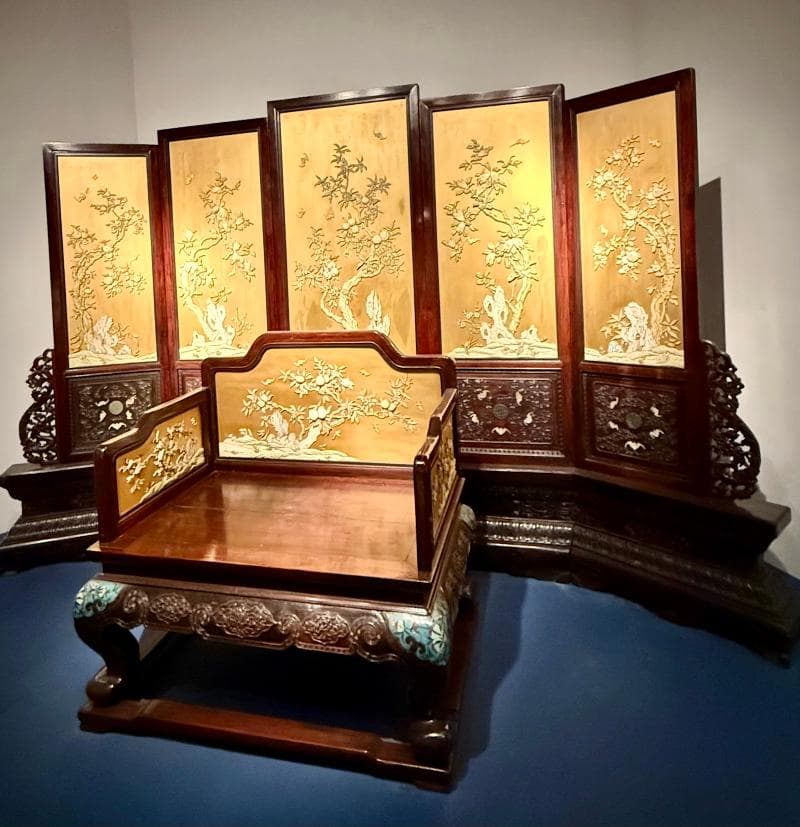
Explore 8,000 years of Chinese ceramic art at the Ceramics Gallery in the Shanghai Museum, Shanghai, China. Discover ancient pottery, imperial porcelain, and cultural heritage.
Overview
The Ceramics Gallery, nestled within the prestigious Shanghai Museum in Shanghai, China, offers an extraordinary journey through millennia of Chinese ceramic art. Located on the 3rd floor of the Shanghai Museum East Wing, this permanent exhibition proudly displays 558 exquisite pieces, or sets, of artifacts, many of which are exhibited for the first time. It comprehensively spans 8,000 years of Chinese ceramic history, from the earliest Neolithic pottery to the sophisticated imperial kilns of the Ming and Qing dynasties. As one of the few exhibition halls in China to present such a complete chronological narrative, the gallery is a testament to the enduring legacy and artistry of Chinese ceramics.
History & Cultural Background
The history of Chinese ceramics is deeply intertwined with the history of human civilization itself. The invention of pottery, marking the dawn of the Neolithic Age, was an epoch-making achievement that transformed early human life, leading to more settled communities. China boasts an unbroken tradition of ceramic production for approximately 20,000 years. A pivotal moment arrived with the invention of mature green-glazed porcelain during the late Eastern Han period, a contribution that profoundly advanced human civilization. Over time, porcelain emerged as a shining pearl of ancient Chinese culture, unique to the country for centuries. It became a powerful vehicle for disseminating Chinese culture globally and significantly influenced the development of ceramic industries in numerous other nations. Beyond their artistic merit, these ceramics played vital roles in ancient Chinese society, influencing culture, arts, crafts, and fostering international communication.
What Makes It Special
What truly sets the Ceramics Gallery apart is its unparalleled breadth and depth, showcasing a kaleidoscopic range of ceramic expressions. Visitors can marvel at the vibrant polychrome glazed potteries, famously known as 'sancai' ware, from the Tang dynasty, the sublime and elegant celadon pieces from the Song dynasty, and the stately imperial porcelains of the Ming and Qing dynasties. The collection also features fascinating examples from folk kilns, offering glimpses into daily life and regional variations. Among the treasures are a Shang Dynasty Green-Glazed String Pattern Zun, an early example of primitive porcelain that bridges the gap from pottery to porcelain; a Northern Dynasties Green-Glazed Human Face Pattern Vase, a 'living fossil' reflecting cultural exchanges along the Silk Road; and a Northern Song Dynasty Ru Kiln Celadon Plate, celebrated for its sky-blue glaze resembling a 'clear sky after rain' and delicate ice-crack patterns. The museum's ceramics collection is widely regarded as one of the finest in the world. The gallery's design itself is an artistic statement, featuring a GRG art wall that visually re-creates the pottery-making process and a unique hollow ceramic 3D museum logo crafted by artisans from Jingdezhen. State-of-the-art display cases, inspired by the Möbius strip, and a specialized lighting system enhance the viewing experience, making each artifact shine.
Stories, Fun Facts & Local Details
The profound global impact of Chinese ceramics is evident in the fact that the very name of the country, 'China,' is intimately linked with porcelain itself. From the Tang dynasty onward, Chinese ceramic wares were exported on a grand scale, forging extensive trade networks that connected China with distant lands. These artifacts literally sailed the seas, contributing to the rich tapestry of intercultural communication and demonstrating China's significant contribution to global civilization. A notable highlight within the gallery is the Sui Dynasty Yuezhou Kiln Green-Glazed Parrot Cup, a piece so historically significant that it is referenced in a poem by the celebrated Tang dynasty poet Li Bai. This particular cup was part of a major donation by the revered connoisseur-collector J.M. Hu and his wife, Ms. Wang Huayun, who, along with their descendants, generously contributed over 300 ceramic artifacts to the Shanghai Museum from their 'Zande Lou' collection. This act of philanthropy reflects a philosophy of stewardship, viewing these treasures as part of a shared cultural heritage for the world, embodying the sentiment 'transient possession, lasting delight.'
Visitor Perspective
For any curious traveler, a visit to the Ceramics Gallery offers a deeply enriching cultural experience. The carefully curated chronological display allows for a clear understanding of the evolution of Chinese ceramic art and technology, from rudimentary Neolithic forms to the peak of imperial porcelain production. Visitors can witness firsthand the changing aesthetics, decorative techniques, and cultural influences across various dynasties. Each piece tells a story, not just of its creation but also of the society that produced it and its journey through time and across continents. The thoughtful presentation, including specialized lighting and innovative display cases, ensures that every artifact is viewed in its best light, inviting contemplation and appreciation for the intricate craftsmanship and profound historical significance of these ceramic masterpieces. It's an opportunity to connect with a continuous artistic tradition spanning millennia, providing deep insights into China's cultural soul.
Coordinates: 121.469, 31.2248
View on Google Maps💬 How Travelers Describe This Place
Based on community votes
Beautiful
996Unique
726Interesting
717Photogenic
335Must See
193
Traveler Stories
Discover memorable experiences shared by travelers who have visited this place.
No traveler stories yet.
Be the first traveler to share what made this place memorable.

Tour
By
Spot
Discover amazing places around the world. Your journey starts here.
Explore
© 2026 TourBySpot. All rights reserved.