Central Boulevard Surroundings
Pristina, Kosovo
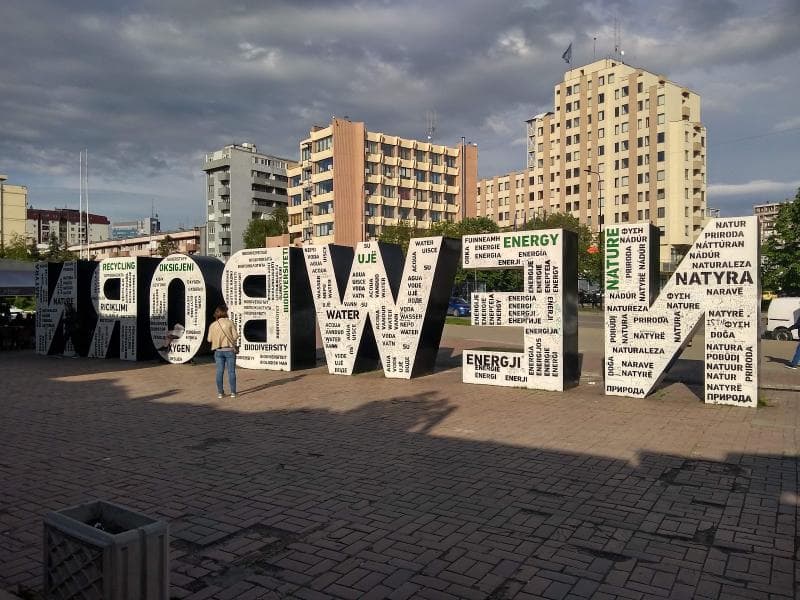
Explore the Newborn Monument in Pristina, Kosovo, a dynamic symbol of independence. Discover its history, evolving art, and vibrant central surroundings.
Overview
The Newborn Monument stands as a powerful and ever-evolving symbol in the heart of Pristina, Kosovo, embodying the nation's independence and forward-looking spirit. While not explicitly a 'Central Boulevard' itself, the monument is strategically positioned within a vibrant and central urban area, often referred to as the city's lively core, which includes significant thoroughfares like Mother Teresa Boulevard. This prominent location makes it an undeniable focal point for both locals and visitors, serving as a dynamic testament to a nation's journey. It is found directly in front of the Palace of Youth and Sports, making it accessible and integrated into the city's daily life.
Its immediate surroundings, informally termed the 'Central Boulevard Surroundings,' buzz with activity, characterized by a lively cafe culture, pedestrian zones, and a youthful energy that defines modern Pristina. The monument itself is a large-scale typographic sculpture, spelling out the English word 'NEWBORN' in capital block letters, instantly recognizable and deeply meaningful to the Kosovar people. It is a landmark that not only commemorates a pivotal historical event but also actively participates in the ongoing narrative of the country.
History & Cultural Background
The Newborn Monument was unveiled on February 17, 2008, a date etched into Kosovo's history as the day it formally declared independence from Serbia. Designed by Kosovar designer Fisnik Ismaili in collaboration with Ogilvy Kosova, the monument was created and installed in a remarkable ten days. Its dimensions are significant, standing 3 meters high, 24 meters long, and 0.9 meters wide, set in the distinct DIN Black typeface, and weighing approximately 9 tons.
The choice of the English word 'Newborn' was deliberate, conveying the birth of a new country with positive connotations, easily understood globally, and presenting Kosovo as a contemporary nation. Initially, the monument was painted bright yellow, symbolizing the colors of Kosovo's new flag and the European Union. An important tradition established from its inception was the annual repainting of the monument, with each new design reflecting different themes and messages pertinent to Kosovo's evolving identity and participation in global events. This tradition transforms the monument into a living piece of art, continuously telling a new story and reflecting current sentiments.
What Makes It Special
The most striking feature that distinguishes the Newborn Monument is its ephemeral nature, changing its appearance annually. This yearly transformation, a rule established from its very beginning, means visitors will encounter a different artistic expression each time they visit. This dynamic quality has earned it international acclaim, including prestigious awards such as the Cannes Gold Lion Award and the Silver Clio Award.
Beyond its artistic merit, the monument serves as a canvas for public expression and a barometer of the nation's mood. It has been repainted with flags of recognizing countries, artistic representations, and messages that highlight current challenges and hopes. This continuous evolution makes it more than just a static landmark; it's a living dialogue between the nation and the world. Its ability to adapt and reflect ongoing narratives solidifies its role as a powerful symbol of resilience, innovation, and self-determination.
Stories, Fun Facts & Local Details
The unveiling of the Newborn Monument was a momentous occasion, celebrated by an estimated 150,000 citizens, with the President and Prime Minister of Kosovo being among the first to sign the monument. For its first five years, the yellow letters served as a public canvas where people could sign their names and leave messages of hope, creating a tangible connection between the monument and the citizens it represents.
The monument gained further international recognition when global pop star Rita Ora, of Kosovar Albanian descent, featured it prominently in her music video for 'Shine Ya Light,' proudly wearing the Kosovar flag. This helped cement its status as a recognized symbol of Kosovo's independence on the world stage. Just a short walk from the Newborn Monument, travelers can find the statue of Bill Clinton, commemorating his pivotal role in Kosovo's path to independence, and the Mother Teresa Boulevard, a lively pedestrian street filled with cafes and vibrant social life.
Visitor Perspective
Visiting the Newborn Monument offers more than just a photo opportunity; it's an immersive experience into the heart of Kosovo's modern identity. Standing before the massive letters, one can truly grasp the emotional weight and historical significance they carry. Many visitors feel a surge of emotion and a deeper connection to the city's history, often following the tradition of signing or leaving messages on the monument when it is designed to accommodate such interaction.
The surrounding area, including Mother Teresa Boulevard, is described as the city's pulse, a place where locals spend hours socializing over coffee, and where the blend of old traditions and modern touches creates a unique charm. It's a testament to Pristina's youthful energy and welcoming atmosphere, making the 'Central Boulevard Surroundings' a place to observe daily life, enjoy local cuisine, and experience the authentic spirit of a young nation. The monument, coupled with its dynamic environment, offers a profound insight into Kosovo's journey and its hopeful outlook.
Coordinates: 21.158209, 42.660539
View on Google Maps💬 How Travelers Describe This Place
Based on community votes
Photogenic
722Interesting
698Must See
465Beautiful
276Unique
126
Traveler Stories
Discover memorable experiences shared by travelers who have visited this place.
No traveler stories yet.
Be the first traveler to share what made this place memorable.

Tour
By
Spot
Discover amazing places around the world. Your journey starts here.
Explore
© 2026 TourBySpot. All rights reserved.