Cathedral Terrace
Lviv, Ukraine
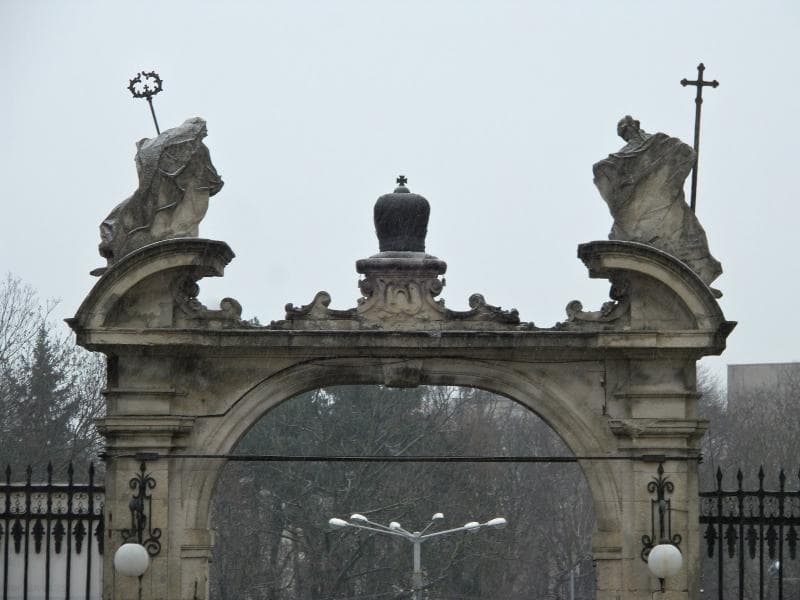
Explore the historic Cathedral Terrace at St. George's Cathedral in Lviv, Ukraine. Discover Baroque-Rococo architecture, panoramic city views, and rich cultural heritage.
Overview
Perched majestically on a high hill overlooking the historic city of Lviv, Ukraine, St. George's Cathedral stands as a profound architectural and spiritual landmark. Integral to its grandeur is the concept of its 'Cathedral Terrace,' which isn't a single defined area but rather encompasses the entire elevated complex, including its courtyards, surrounding gardens, and various viewpoints that offer breathtaking vistas of the old city. This magnificent Baroque-Rococo ensemble, often described as one of the finest examples of its style in Europe, serves as the spiritual heart of the Ukrainian Greek Catholic Church. The elevated position of the cathedral and its sprawling grounds, forming natural terraces, have long been a place of quiet contemplation and panoramic appreciation, inviting visitors to experience both its profound history and its commanding presence over the urban landscape.
The complex is more than just the church itself; it's a meticulously planned ensemble that includes the majestic bell tower, the Metropolitan's Palace, and picturesque gardens enclosed by decorative fencing with ornate gates. These elements collectively contribute to the 'Cathedral Terrace' experience, allowing a visitor to stroll and absorb the harmonious blend of architecture, sculpture, and natural beauty. It's a place where every detail seems intentionally crafted to create a sense of harmony and monumentality, making it a significant site not just for pilgrims but for anyone interested in history, architecture, and cultural heritage.
History & Cultural Background
The history of St. George's Cathedral and its elevated site stretches back centuries, with the first religious building, a wooden church and fortified monastery, believed to have been erected around 1280 by Prince Lev Danylovych. This initial structure, however, faced destruction in 1340 during King Casimir III's campaign. A subsequent stone basilica in the Byzantine style was constructed between 1363 and 1437, marking the continuous spiritual significance of this hill. The present glorious Baroque-Rococo edifice, which defines the Cathedral Terrace today, was built between 1744 and 1760. Its construction began under Metropolitan Atanasii Sheptytsky and was largely realized under the direction of the esteemed architect Bernard Meretyn. Following Meretyn's death, the work was completed by S. Fessinger in 1764, who also designed the adjacent metropolitan's residence.
Throughout its history, St. George's Cathedral has held immense importance for the Ukrainian Greek Catholic Church, serving as the seat of the Halych metropoly from 1817 to 1946. Its enduring role as a spiritual and cultural center is highlighted by its resilience through various historical periods, including the challenging times under Soviet rule when it was placed under the jurisdiction of the Russian Orthodox Church, only to be returned to the Ukrainian Catholic Church with renewed religious freedom in the early 1990s. The site's transformation into the architectural masterpiece we see today, with its impressive terraces and surrounding buildings, reflects a rich tapestry of faith, art, and historical endurance.
What Makes It Special
The 'Cathedral Terrace' of St. George's Cathedral is made special by several compelling features, most notably its harmonious Baroque-Rococo architecture and the stunning panoramic views it offers. The ensemble, a UNESCO World Heritage site, is a testament to 18th-century design, where the church, bell tower, metropolitan's palace, and gardens merge seamlessly. From the eastern parts of the churchyard and the balconies, visitors are treated to spectacular views of Lviv, with its historic rooftops, spires, and domes stretching out below. This elevated perspective reinforces the cathedral's historical prominence and its commanding presence over the city.
Adding to its unique charm are the expressive sculptures by Johann Georg Pinsel, a leading figure of the Lviv Baroque school. His dramatic statue of Saint George slaying the dragon crowns the façade, while other allegorical figures, such as Faith and Hope, adorn the rococo gates leading into the complex. These sculptural elements bring dynamism and artistic flair to the architectural structure. Furthermore, the thoughtfully designed courtyards and terraces provide a serene environment, inviting visitors to appreciate the full scale of the 18th-century design and the subtle interplay of architectural clarity with powerful artistic detail.
Stories, Fun Facts & Local Details
Among the many fascinating details surrounding the Cathedral Terrace is the bell tower, which houses the oldest bell in Ukraine. Cast in 1341, its inscription tells tales of wartime adversities, a silent witness to centuries of history. This ancient artifact pre-dates the current cathedral structure, connecting the site to its earliest foundational narratives. Another deeply moving relic within the cathedral is the Wonder-working Icon of the Virgin Mary from Terebovlya, dating back to the 17th century. Legend recounts that in 1663, tears flowed from the Virgin Mary's eyes for 40 days, forewarning the populace of an impending Turkish siege. It reportedly wept again in 1704 when King Charles XII of Sweden seized Lviv, adding a layer of miraculous storytelling to the cathedral's spiritual aura.
The Metropolitan Gardens, encircling the Metropolitan Chambers, were originally designed in a baroque style between 1762 and 1771, featuring terraces held by powerful retaining walls. These gardens, enclosed by a fence in 1772, were subject to restoration efforts in 2016, breathing new life into this historical landscape. These details, from ancient bells to weeping icons and carefully restored gardens, offer a glimpse into the rich cultural tapestry woven around the Cathedral Terrace, transforming a visit into an exploration of stories and historical echoes.
Visitor Perspective
Approaching the Cathedral Terrace of St. George's Cathedral is an experience in itself, often beginning with a climb up the twin flight stairs adorned with delicate rococo balustrades and sculptures. As you ascend, the prominence of the site becomes increasingly evident, culminating in breathtaking vistas. From the eastern terrace or balconies, a panoramic view of Lviv unfolds—a patchwork of old city architecture, distant spires, and bustling streets, allowing a unique geographical and historical orientation. This is not merely a viewing platform but a historical vantage point that has witnessed centuries of Lviv's development.
Strolling through the carefully maintained courtyards and gardens, encompassed by the 'Cathedral Terrace,' visitors can admire the intricate facade of the cathedral, the sculptural masterpieces by Pinsel, and the serene Metropolitan's Palace. The atmosphere is one of profound historical significance and spiritual tranquility, far removed from the hustle and bustle of the city below. It invites a moment of quiet reflection, allowing one to connect with the centuries of prayer, art, and history embedded within its walls and grounds. Whether you're a history enthusiast, an architecture admirer, or simply a curious traveler, the Cathedral Terrace offers a rich and rewarding experience, providing both a visual feast and a deep dive into the cultural soul of Lviv.
Coordinates: 24.0135, 49.8392
View on Google Maps💬 How Travelers Describe This Place
Based on community votes
Interesting
954Must See
946Photogenic
514Beautiful
92Unique
66
Traveler Stories
Discover memorable experiences shared by travelers who have visited this place.
No traveler stories yet.
Be the first traveler to share what made this place memorable.

Tour
By
Spot
Discover amazing places around the world. Your journey starts here.
Explore
© 2026 TourBySpot. All rights reserved.