Caravanserais
Baku, Azerbaijan
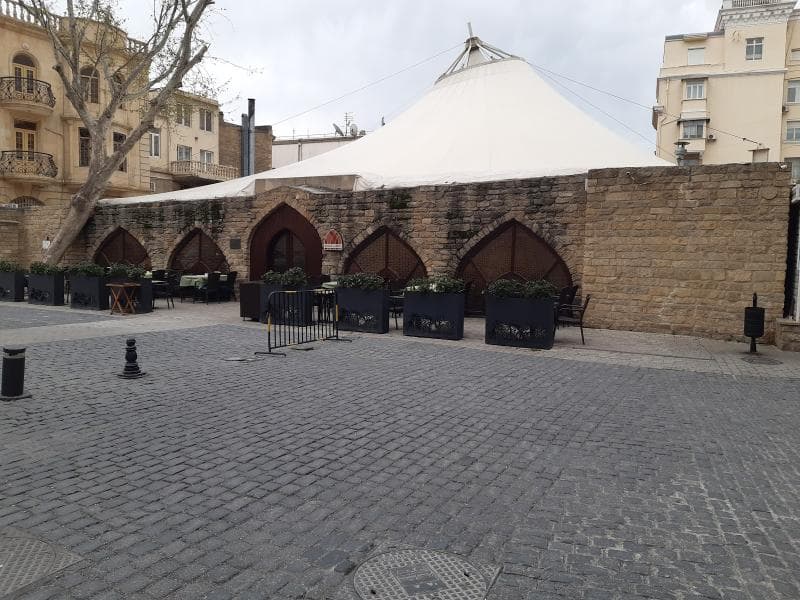
Discover the ancient Caravanserais in Baku's Icherisheher Old City, Azerbaijan. Explore these historic Silk Road inns, including Multani and Bukhara, to connect with centuries of trade and cultural exchange.
Overview
Stepping into the walled city of Icherisheher in Baku, Azerbaijan, is like traveling back in time to the bustling crossroads of ancient trade routes. Amidst its labyrinthine alleys and historic stone structures stand the venerable Caravanserais. These architectural gems, particularly the Multani and Bukhara Caravanserais, are not merely old buildings; they are echoes of a vibrant past, serving as vital resting points for merchants and travelers journeying along the legendary Silk Road. As part of Icherisheher, a UNESCO World Heritage site, these Caravanserais offer a profound connection to Baku's rich history as a cosmopolitan hub where diverse cultures converged and exchanged goods, ideas, and stories.
History & Cultural Background
Caravanserais, derived from the Persian words 'karwan-saray' meaning 'caravan palace,' were essential infrastructures that facilitated trade across vast distances in the East. They functioned as inns, strongholds, and centers of commerce and culture, strategically located along trade routes every 30-40 kilometers to provide shelter for merchants, their animals, and valuable cargo. The Caravanserais within Baku's Icherisheher rose to prominence during the medieval period, reflecting Azerbaijan's crucial position on the Silk Road between Europe and Asia.
The Multani Caravanserai is believed to have been established in the 14th century, while the Bukhara Caravanserai dates to the late 15th century. The Multani Caravanserai earned its name from the merchants originating from Multan, a city in present-day Pakistan, who frequently passed through Baku. These traders also included Zoroastrians, who are thought to have built the Ateshgah Temple in Surakhani. Similarly, the Bukhara Caravanserai primarily accommodated merchants and travelers from Central Asia, particularly from Bukhara in modern-day Uzbekistan, hence its name.
What Makes It Special
What makes the Caravanserais of Icherisheher truly special is their role as tangible links to the Silk Road's legacy. They represent a unique fusion of architectural functionality and cultural significance. Both the Multani and Bukhara Caravanserais exhibit a square shape with inner courtyards, surrounded by rooms or cells for individual accommodation. The Bukhara Caravanserai, for instance, features an octagonal courtyard and a pool that, remarkably, maintains a constant water level despite water flow from a fountain.
The Multani Caravanserai is notable for its spacious basement, which not only served as storage for provisions but also reportedly contained 'secret doors' allowing merchants clandestine access to shipyards. These architectural details provided safety and comfort, acting as bustling hubs where goods were traded, news was exchanged, and diverse communities interacted. Today, these structures stand as remarkable examples of Islamic architecture, offering visitors a direct encounter with a bygone era of global trade and cultural confluence.
Stories, Fun Facts & Local Details
Imagine the vibrant scenes that unfolded within these walls centuries ago: the clatter of hooves, the calls of merchants bartering for silk, spices, and jewels, and the aroma of exotic goods filling the air. The open-type design of Baku's Caravanserais, akin to medieval hotels, provided more than just lodging; they offered teahouses, bathhouses, and other facilities to refresh weary travelers. It's a fun fact that some of these Caravanserais, like the Bukhara, have undergone significant restoration, such as in 1964, which helped to highlight their original architectural forms by separating them from later annexes.
Today, many of these historical structures have been repurposed. Both the Multani and Bukhara Caravanserais now house restaurants, allowing visitors to dine amidst centuries of history, enjoying traditional Azerbaijani cuisine in the very spaces where ancient traders once rested and conducted business. The walls of the Bukhara Caravanserai are even decorated with images of ancient Azerbaijani carpets and kilims, designed to immerse foreign visitors in the rich history of Azerbaijan. These living monuments continue to serve as a testament to Baku's enduring legacy as a point of cultural exchange.
Visitor Perspective
For the curious traveler, exploring the Caravanserais within Icherisheher is an immersive experience. Wander through the courtyards, touch the ancient stone, and envision the lives of those who passed through these portals centuries ago. The proximity of the Multani and Bukhara Caravanserais, standing opposite each other, creates a compelling dialogue between their distinct histories and shared purpose. These sites are seamlessly integrated into the fabric of the Old City, making them easily accessible as part of a larger exploration of Icherisheher's other treasures, such as the Maiden Tower and the Palace of the Shirvanshahs. Visiting these Caravanserais offers a unique opportunity to connect with the intricate tapestry of the Silk Road, understanding the pivotal role Baku played in connecting East and West, and appreciating the enduring spirit of hospitality and trade that defined this historic city.
Coordinates: 49.8348, 40.3662
View on Google Maps💬 How Travelers Describe This Place
Based on community votes
Unique
903Interesting
694Photogenic
177Beautiful
125Must See
64
Traveler Stories
Discover memorable experiences shared by travelers who have visited this place.
No traveler stories yet.
Be the first traveler to share what made this place memorable.

Tour
By
Spot
Discover amazing places around the world. Your journey starts here.
Explore
© 2026 TourBySpot. All rights reserved.