Camden Canal Towpath
London, United Kingdom
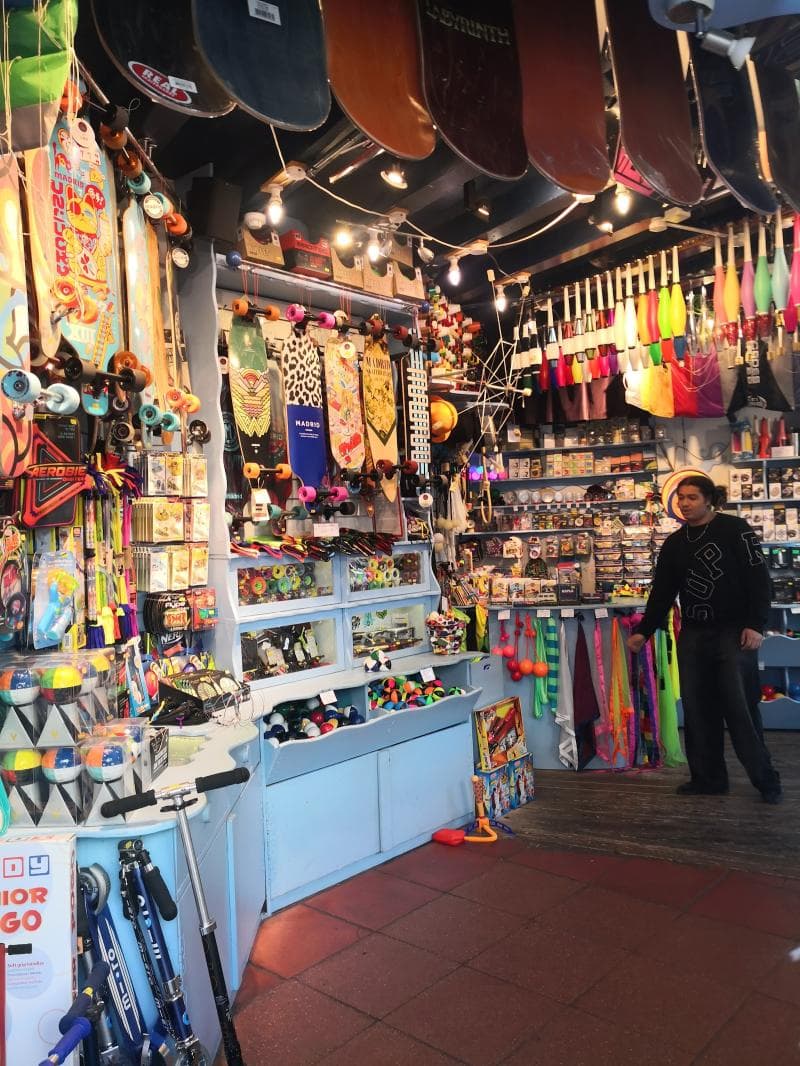
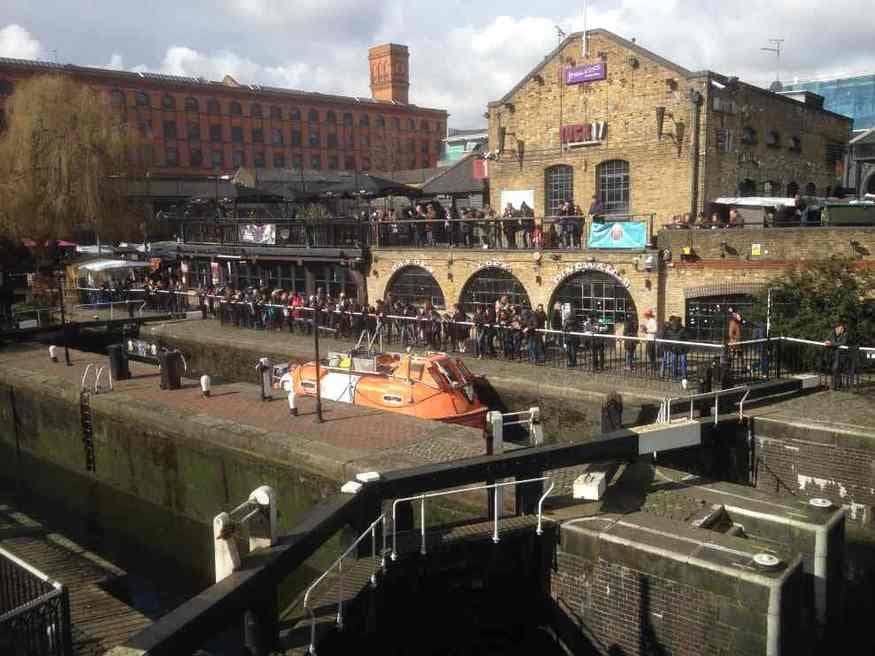
Explore the Camden Canal Towpath in London, United Kingdom, a historic waterway and scenic route connecting to the vibrant Camden Market.
Overview
The Camden Canal Towpath offers a unique journey through the heart of London, intertwining rich history with the vibrant, eclectic energy of Camden Market. As a stretch of the broader Regent's Canal, this towpath is more than just a path; it is a living artery that has witnessed centuries of change, transforming from a bustling industrial highway into a cherished recreational route. It provides a peaceful, picturesque escape amidst the urban buzz, connecting various facets of London's character.
Today, the towpath alongside the Regent's Canal in Camden is a popular destination for walkers, cyclists, and those simply seeking to soak in the area's distinctive atmosphere. It runs past historic locks, under charming bridges, and alongside a colourful parade of narrowboats, often adorned with quirky decorations. Adjacent to the world-renowned Camden Market, the towpath serves as a gateway to its labyrinthine stalls, diverse food offerings, and unique cultural experiences, making it an integral part of the Camden visitor experience.
History & Cultural Background
The Regent's Canal, of which the Camden Canal Towpath is a part, has a storied past dating back to the early 19th century. The idea for this vital waterway was first proposed in 1802 by Thomas Homer, aiming to link the Grand Junction Canal (Paddington Arm) with the River Thames at Limehouse. The project gained significant momentum when renowned architect and town planner John Nash became a driving force, and the Regent's Canal Act was passed in 1812.
Construction began in 1812, with the first section from Paddington to Camden opening in 1816. The entire canal, spanning 8.6 miles (13.8 km), was fully operational by 1820. Its primary purpose was commercial, facilitating the transport of essential goods such as timber, coal, and ice across London and connecting inland areas to the docks. Horse-drawn barges, pulled along the very towpath we traverse today, were the workhorses of this industrial era.
However, the canal's commercial heyday was relatively short-lived. By the 1840s, the burgeoning railway network began to siphon off much of the cargo traffic. Despite attempts to convert parts of the canal into railways, it ultimately declined as a primary transport route, with the last commercial horse-drawn cargo taking place in 1956. This marked a significant shift, paving the way for the canal and its towpath to transition from an industrial lifeline to a beloved leisure amenity.
What Makes It Special
What truly sets the Camden Canal Towpath apart is its extraordinary blend of historical significance and contemporary bohemian charm. It offers a tangible connection to London's industrial past, with original locks, bridges, and former waterside warehouses hinting at its commercial legacy. These historical elements now stand in stark contrast to the lively, modern spectacle of Camden Market, which grew around the canal, particularly at what became known as Camden Lock.
The towpath provides a dynamic sensory experience. The sight of colourful narrowboats, many serving as permanent homes, adds a quaint, almost village-like feel. The air often hums with the distant sounds of market activity – street musicians, diverse languages, and the tantalising aromas from the market's vast array of international food stalls. It's a place where gritty urban art flourishes alongside serene stretches of water, and where the bustling market environment seamlessly flows into moments of tranquil reflection.
Stories, Fun Facts & Local Details
Though popularly known as 'Camden Lock', the official name for the twin locks at the heart of Camden Market is Hampstead Road Lock. This distinction highlights how the informal 'Camden Lock' has become synonymous with the entire market area that developed around this crucial canal junction.
During its industrial peak, the canal facilitated more than just everyday goods. Camden was once a hub for London's gin industry, with the canal transporting gin across the globe. Additionally, the area housed impressive engineering feats, including an 80-foot-deep ice well, used to store ice imported via the canal, which still exists today, albeit capped off. The former Pickfords warehouse, designed by William Cubitt in 1841, served as Britain's first rail, road, and canal interchange building, demonstrating the area's logistical importance.
The towpath itself was originally designed for horses, who would pull the barges through the waterways. Interestingly, a network of horse tunnels still exists beneath Camden, allowing these working animals to safely transport goods between the canal and railway lines for over a century. The last working canal horse was retired in 1967.
Visitor Perspective
For a curious traveler, walking the Camden Canal Towpath offers an intimate perspective on one of London's most iconic neighbourhoods. Starting from the tranquility of Little Venice, a walk eastward along the towpath unveils charming houseboats, lush greenery, and even glimpses into the London Zoo's aviaries and animal enclosures.
As you approach Camden Market, the atmosphere gradually shifts, becoming more animated. The towpath provides direct access to the various market sections, including Camden Lock Market and Stables Market, where you can explore an endless array of crafts, vintage clothing, and global street food. Many visitors enjoy pausing at waterside cafes or simply observing the diverse mix of people and boats. Whether you opt for a leisurely stroll, a cycle, or even a canal boat trip, the towpath provides a constantly evolving backdrop, offering a memorable fusion of history, culture, and vibrant London life.
Coordinates: -0.1450175, 51.5412554
View on Google Maps💬 How Travelers Describe This Place
Based on community votes
Photogenic
951Unique
748Beautiful
499Interesting
427Must See
94
Traveler Stories
Discover memorable experiences shared by travelers who have visited this place.
No traveler stories yet.
Be the first traveler to share what made this place memorable.

Tour
By
Spot
Discover amazing places around the world. Your journey starts here.
Explore
© 2026 TourBySpot. All rights reserved.