Callao Square
Madrid, Spain
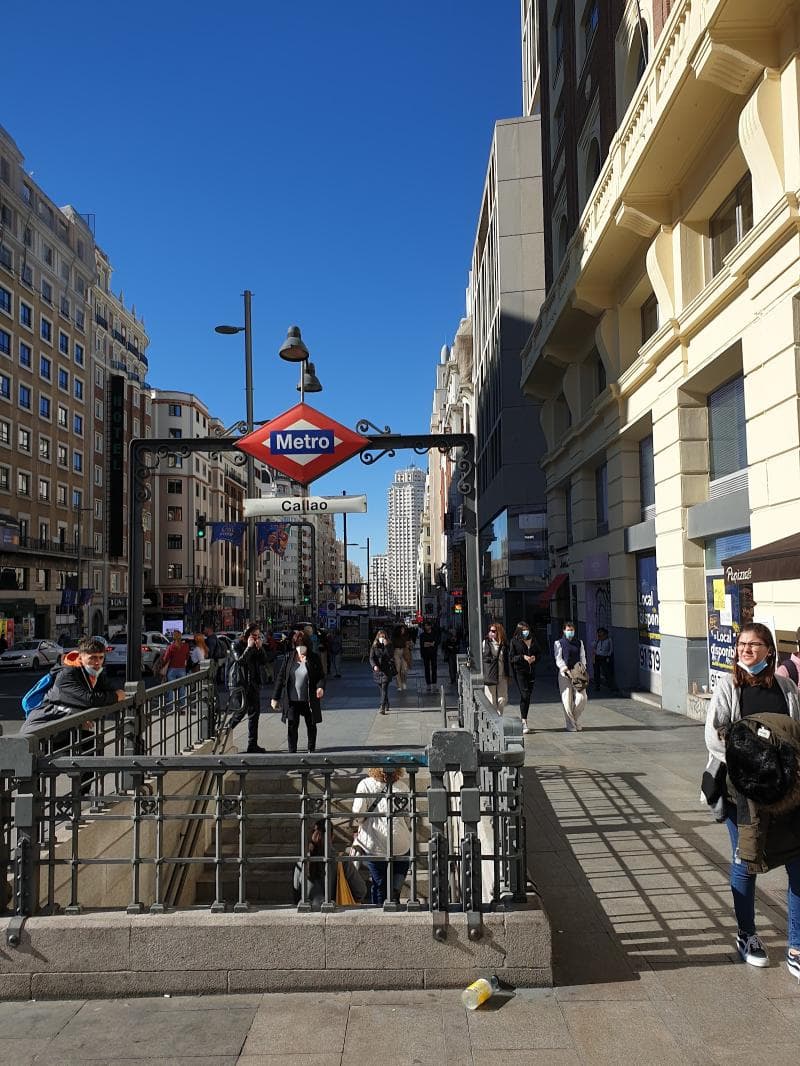
Discover Callao Square, the vibrant heart of Gran Vía in Madrid, Spain. Explore its iconic Art Deco cinemas, historic buildings, and lively atmosphere.
Overview
Callao Square, or Plaza del Callao, is a vibrant and iconic public square situated in the very heart of Madrid, Spain. Nestled along the famous Gran Vía, it serves as a bustling hub where history, culture, commerce, and entertainment converge. Often likened to London's Trafalgar Square or New York's Times Square for its iconic status, Callao buzzes with activity day and night, attracting both locals and visitors alike. It acts as a major intersection, famously dividing Gran Vía into two sections and connecting to other significant streets like Calle Preciados and Calle del Carmen, making it a central point for exploration in the Spanish capital.
This pedestrian-friendly square offers a dynamic urban experience, with its striking architecture and constant lively atmosphere. It's a place where modern digital billboards blend seamlessly with historic facades, creating a unique visual spectacle.
History & Cultural Background
The origins of Callao Square date back to 1866 when it was officially inaugurated. Its name pays tribute to the naval Battle of Callao, which took place in May 1866 between Spanish naval forces and the Peruvian army. While a smaller square existed before, it underwent significant transformations during the 20th century, particularly with the construction of Gran Vía, which began in 1910 and continued through the 1920s. The square itself was largely shaped between 1917 and 1922, with final completion around 1927.
Through the 20th century, Callao evolved into a modern, cosmopolitan center. It became especially renowned as Madrid's cinematic and theatrical heart, home to numerous movie theaters. The buildings erected during this period, characterized by their impressive Art Deco style, cemented its cultural importance and distinctive urban identity. In the early 21st century, the square underwent a substantial reform, becoming largely pedestrianized, which enhanced its role as a gathering place for the city.
What Makes It Special
What truly sets Callao Square apart is its remarkable collection of architectural gems and its pulsating energy. Dominating the square is the magnificent Edificio Carrión, also known as the Capitol Building, an Art Deco skyscraper inaugurated in 1933. This building is instantly recognizable by its iconic illuminated Schweppes sign, a landmark of Madrid's skyline.
Another celebrated structure is Cine Callao, one of Madrid's oldest and most iconic cinemas, opened in 1927. With its impressive facade and Art Deco interior, it continues to host movie premieres and cultural events, often transforming the square into a red carpet spectacle. The Palacio de la Prensa (Press Palace), built in 1928, also contributes to the square's unique character, originally designed as a multifunctional American-style building. The preservation of these original, grand buildings, amidst the lively modern bustle, makes Callao Square a captivating blend of past and present.
Stories, Fun Facts & Local Details
Beyond its grand architecture, Callao Square holds many fascinating details. For instance, the square's early 20th-century renaissance saw baker Antonio Rodilla open a small pastry shop here, which later grew into a large commercial venture, reflecting the square's evolving commercial appeal.
The square's reputation as Madrid's 'Broadway' stems from its history as a cinematic hub, having once housed as many as six movie theaters. This heritage makes it a popular spot for film enthusiasts and those looking to experience Madrid's entertainment scene. The illuminated signs on its buildings, particularly the famous Schweppes sign, contribute to its vibrant, almost theatrical, nighttime ambiance, making it a sought-after location for photography.
For a particularly unique perspective, visitors are often recommended to head to the 9th-floor food court of the El Corte Inglés department store, which offers magnificent panoramic views over Callao Square and Gran Vía, especially enchanting after dusk.
Visitor Perspective
For any curious traveler, Callao Square is an unmissable stop on a Madrid itinerary. Its strategic location at the end of Gran Vía and its proximity to other major landmarks like Puerta del Sol make it an ideal starting point for exploring the city on foot.
As a visitor, you'll find yourself amidst a lively mix of shoppers exploring the surrounding boutiques and department stores, diners enjoying the diverse culinary offerings – from traditional Spanish tapas to international cuisine – and culture enthusiasts heading to a cinema or theater. The square is exceptionally well-connected by public transport, with the Callao Metro station conveniently located directly beneath it, serving multiple lines. Whether you're interested in architecture, cinema, shopping, or simply soaking in the energetic urban atmosphere, Callao Square offers a dynamic and memorable experience that truly captures the essence of Madrid.
Coordinates: -3.705828, 40.419862
View on Google Maps💬 How Travelers Describe This Place
Based on community votes
Beautiful
995Interesting
839Must See
603Unique
388Photogenic
289
Traveler Stories
Discover memorable experiences shared by travelers who have visited this place.
No traveler stories yet.
Be the first traveler to share what made this place memorable.

Tour
By
Spot
Discover amazing places around the world. Your journey starts here.
Explore
© 2026 TourBySpot. All rights reserved.