Cafes
Seoul, South Korea
Discover Hongdae's vibrant cafe culture in Seoul, South Korea. Explore unique themed cafes, artistic spaces, and historical spots that define this creative district.
Overview
Hongdae, a vibrant district nestled in Seoul, South Korea, is widely celebrated for its youthful energy, artistic flair, and dynamic cultural landscape. This neighborhood, named after Hongik University ('Hongdae' is short for Hongik Daehakgyo), pulses with creativity, drawing in art students, independent musicians, and travelers seeking an authentic and stimulating urban experience. At the heart of Hongdae's charm lies its unparalleled cafe culture, an intricate tapestry of unique spaces that reflect the area's innovative spirit. Cafe hopping here is not merely about finding a coffee shop; it's an immersive journey into Seoul's contemporary artistic expression and social life.
The streets of Hongdae are a continuous spectacle, filled with independent shops, lively street performances, and an array of culinary delights. The cafes, however, often serve as anchors within this bustling environment, offering everything from serene escapes to whimsical, themed experiences. They are essential gathering spots, central to both the local community and the vibrant tourism scene.
History & Cultural Background
The genesis of Hongdae's distinctive character is intrinsically linked to Hongik University, particularly its prestigious fine arts program. From the 1990s onward, the area began to attract a burgeoning community of artists and musicians, drawn by the then-affordable rents and the creative freedom it offered. This influx cultivated a fertile ground for an urban arts and indie music scene to flourish.
The cafe culture in Hongdae evolved directly from this artistic foundation. In the late 1980s and 1990s, 'rock cafes' and studio cafes emerged as key gathering places, though initially, many played dance music rather than rock. These early establishments provided platforms for creative exchange and communal experiences, laying the groundwork for the diverse cafe landscape seen today. As the city of Seoul introduced stricter regulations on entertainment venues in other university districts, many such establishments relocated to Hongdae, further cementing its reputation as a hub for alternative culture. This transition fostered an environment where cafes became more than just places to drink; they transformed into cultural spaces, nurturing indie music and artistic expression away from the mainstream.
What Makes It Special
What truly sets Hongdae's cafes apart is their relentless pursuit of uniqueness and conceptual innovation. Unlike the polished minimalism often found in other Seoul districts, Hongdae cafes compete on concept and aesthetic. This leads to an extraordinary variety of themed cafes that are as much attractions as they are eateries.
Visitors can discover animal cafes where one might interact with sheep or cats, fantasy-themed cafes transporting guests to magical realms, or even multi-story complexes where each floor offers a completely different environment, from K-pop media rooms to LP listening spaces. The design often incorporates visually striking elements, whether it's an undulating ceiling, a traditional Korean Hanok structure, or an interior brimming with plants that feels like a botanical garden. This emphasis on immersive environments means that each cafe offers a distinct experience, inviting patrons to explore different worlds with every visit.
Stories, Fun Facts & Local Details
Among the many unique spots, some cafes have become iconic. For instance, the 'Thanks Nature Cafe' gained fame for its resident sheep, Lulu and Lola, offering a quirky animal encounter in the heart of the city. While the sheep take a summer holiday due to the heat, their presence during other seasons is a delightful surprise for many visitors.
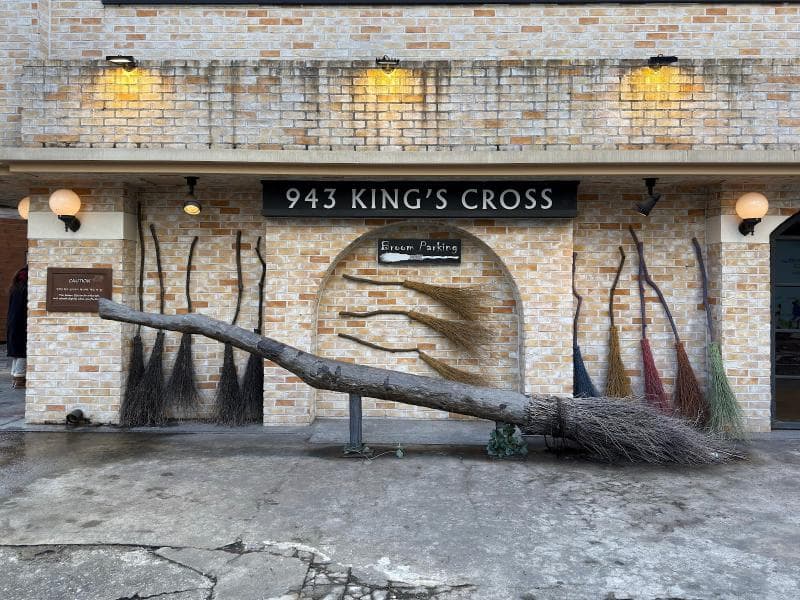
Another notable example is '943 King's Cross', an unofficially Harry Potter-themed cafe spanning multiple floors, where guests can even try on costumes and enjoy themed drinks. Then there's the monumental 'Hongdae Cafe', an eight-story cultural complex where a single coffee purchase grants access to a rooftop with panoramic views, a K-pop media floor, an LP music room, and even a 'Jeju Vibes' floor designed to evoke the tranquility of Jeju Island.
Beyond the overtly themed, some cafes hold deeper historical narratives. Stories like that of '100 Year Cafe' reveal spaces that were once family homes, carefully preserving remnants of their past residents, turning everyday objects into historical artifacts. These cafes often lack an online presence, becoming 'hidden gems' discovered through serendipity.
Visitor Perspective
For a curious traveler, cafe hopping in Hongdae is an exploration of cultural nuances and artistic expression. It's a chance to slow down, absorb the creative atmosphere, and witness how coffee culture intertwines with art, music, and fashion in Seoul. Many cafes offer serene environments perfect for quiet reading, intimate conversations, or simply people-watching.
To fully appreciate the experience, visiting during weekdays is often recommended to avoid the weekend crowds and enjoy a more relaxed pace. While most places accept credit cards, carrying some cash for smaller purchases is a practical tip. Visitors should also note that it's customary to order at least one item per person, reflecting the cafe's role as a social and cultural space rather than just a quick stop. Returning trays to designated areas is also a common courtesy. Ultimately, Hongdae's cafes provide more than just a beverage; they offer a window into the innovative spirit and vibrant community that defines this beloved Seoul neighborhood.
Coordinates: 126.92333, 37.55528
View on Google Maps💬 How Travelers Describe This Place
Based on community votes
Photogenic
894Beautiful
748Interesting
304Must See
73Unique
35
Traveler Stories
Discover memorable experiences shared by travelers who have visited this place.
No traveler stories yet.
Be the first traveler to share what made this place memorable.

Tour
By
Spot
Discover amazing places around the world. Your journey starts here.
Explore
© 2026 TourBySpot. All rights reserved.