Cafes
Bishkek, Kyrgyzstan
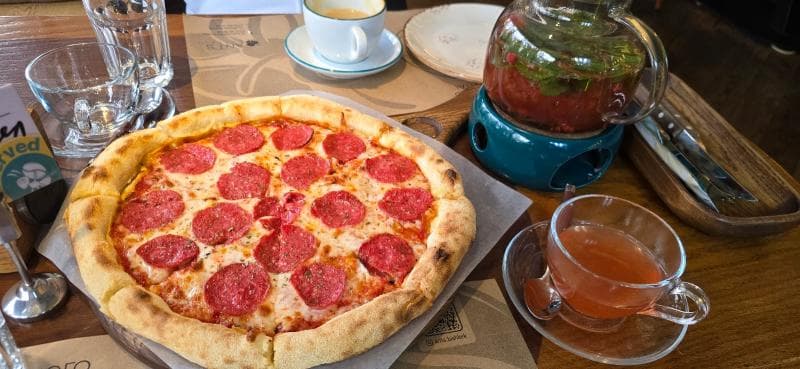
Explore the vibrant cafes of Erkindik Boulevard in Bishkek, Kyrgyzstan. Discover cozy spots, specialty coffee, and local culture. Perfect for travelers.
Overview
Erkindik Boulevard, an enchanting tree-lined promenade in Bishkek, Kyrgyzstan, stands as a vibrant artery through the heart of the capital. Stretching southward from the iconic Ala-Too Square, this cherished gem offers a refreshing escape from the city's hustle and bustle, particularly during the warm summer months. It seamlessly blends the tranquility of a park with the lively atmosphere of a bustling urban thoroughfare, serving as a significant cultural and social hub for locals and visitors alike. Along its picturesque length, a delightful array of cafes beckons, offering cozy havens for relaxation, social gatherings, and a taste of Bishkek's evolving contemporary culture.
History & Cultural Background
The history of Erkindik Boulevard is a reflection of Kyrgyzstan's past, marked by several name changes that mirror the nation's political evolution. Initially known as Bulvarnaya before the October Revolution, it was later renamed Komsomolskaya and then Dzerzhinsky Boulevard during the Soviet era, after the prominent Soviet statesman Felix Dzerzhinsky. To this day, many locals affectionately refer to it by its Soviet-era moniker, 'Dzerzhinka.' Following Kyrgyzstan's independence, the boulevard was christened Erkindik, meaning 'independence' in Kyrgyz, symbolizing a new era of freedom.
The emergence of cafes along Erkindik Boulevard represents a modern cultural shift in Bishkek. Traditionally, tea has been the default social drink in Central Asia. However, in recent years, Bishkek has witnessed an explosion in its cafe and coffee scene, with Erkindik Boulevard playing a central role in this transformation. This development reflects the city's increasing global integration and a growing appreciation for specialty coffee and contemporary social spaces, moving beyond traditional tea houses.
What Makes It Special
The cafes on Erkindik Boulevard are special because they are more than just places to grab a drink; they are integral to the boulevard's unique charm. They offer inviting spaces that perfectly complement the green canopy of trees overhead, providing a serene backdrop for patrons. Establishments like Boris Coffee And Bakery, located at 14 Erkindik Ave, are celebrated for their cozy and inviting atmosphere, blending modern style with homey comfort. It is a spot where one can savor exceptional food and coffee, and it is particularly welcoming for solo travelers seeking a quiet retreat.
Another notable spot, Ant's, found at 35 Erkindik Boulevard, is a specialty coffee shop with a modern urban vibe. It is known for its consistently good coffee, delightful cakes, and a casual yet stylish ambiance that makes it a popular choice for family gatherings, leisurely breakfasts, lunches, or even romantic dinners. These cafes contribute significantly to the boulevard's lively character, serving as perfect pit stops for those exploring the city and offering a glimpse into Bishkek's contemporary pulse.
Stories, Fun Facts & Local Details
Erkindik Boulevard's enduring nickname, 'Dzerzhinka,' is a testament to the city's layered history, where Soviet-era memories subtly persist alongside new identities. The cafes along the boulevard are buzzing with local life, serving as communal spaces where the rhythm of the city can be observed. They are favorite spots for families, where young mothers might be seen strolling with their babies, and others relax on benches, people-watching or enjoying ice cream.
For the younger generation and remote workers, these cafes have become essential. Many offer reliable Wi-Fi, fostering an environment where students and professionals can settle in with their laptops. Cafe interiors are often designed with comfort, style, and 'Instagram-worthiness' in mind, reflecting a modern trend to create aesthetically pleasing spaces for social connection and sharing. This makes them not just places of consumption, but vibrant scenes of daily life, where new stories unfold against a backdrop of historical significance and natural beauty.
Visitor Perspective
For a curious traveler, the cafes of Erkindik Boulevard offer an authentic window into Bishkek's social fabric. Stepping into one of these establishments is to immerse oneself in a relaxed yet vibrant local experience. It's a chance to savor freshly brewed coffee, indulge in local pastries, and observe the daily lives of Bishkek residents. Whether seeking a peaceful corner to read a book, a lively spot for conversations with friends, or simply a place to recharge amidst exploration, the cafes provide a welcoming respite. They embody the hospitable spirit of Kyrgyzstan, allowing visitors to connect with the city's unique blend of Soviet-era heritage and burgeoning modern charm, making every visit a meaningful cultural encounter.
Coordinates: 74.6070033, 42.8814186
View on Google Maps💬 How Travelers Describe This Place
Based on community votes
Must See
996Unique
673Photogenic
186Beautiful
143Interesting
80
Traveler Stories
Discover memorable experiences shared by travelers who have visited this place.
No traveler stories yet.
Be the first traveler to share what made this place memorable.

Tour
By
Spot
Discover amazing places around the world. Your journey starts here.
Explore
© 2026 TourBySpot. All rights reserved.