Café Terraces
Pristina, Kosovo
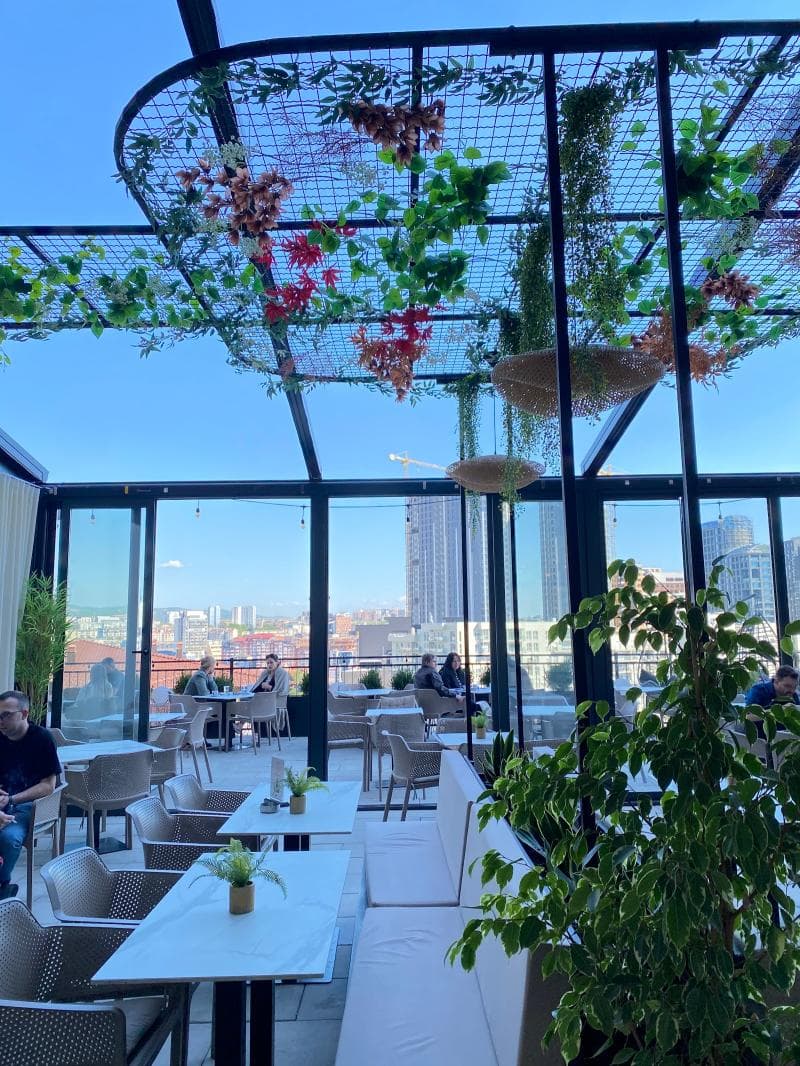
Discover Pristina's vibrant 'Café Terraces' at Skanderbeg Square, Kosovo. Immerse yourself in the city's unique cafe culture and social heart.
Overview
In the vibrant heart of Pristina, Kosovo, Skanderbeg Square stands not just as a historical landmark but as the lively stage for the city's celebrated cafe culture. While there isn't a single establishment officially named 'Café Terraces', this sub-spot refers to the collective outdoor seating areas, or 'terraces', of the numerous cafes that spill onto the square and its surrounding pedestrian zones. These terraces are more than just places to enjoy a drink; they are the pulsing veins of Pristina's social life, offering a dynamic vantage point to soak in the city's unique energy.
Skanderbeg Square itself is a focal point of activity, named in honor of the 15th-century Albanian national hero, Gjergj Kastrioti Skanderbeg. It serves as a central meeting place, hosting events, festivals, and the daily rhythm of urban life. The 'Café Terraces' seamlessly integrate with this bustling environment, providing a casual yet profound cultural experience that beautifully blends Kosovo's rich traditions with its contemporary spirit.
History & Cultural Background
The modern-day Skanderbeg Square, as we see it today, took shape after the Kosovo War. A powerful bronze equestrian statue of Skanderbeg, depicting him on horseback with a sword pointed towards the ground, was erected in 2001. This monument, transported from Krujë, Albania, became an immediate symbol of national pride and a testament to the Albanian people's historical resistance against Ottoman forces.
The square is bordered by significant landmarks, including government buildings and the bustling Mother Teresa Boulevard, further cementing its role as a civic and social nexus. Pristina's cafe culture, which finds its most prominent expression in these terraces, is deeply embedded in the city's social fabric. Coffee has long been an indispensable part of daily life, providing a setting for everything from casual conversations to important meetings.
What Makes It Special
What truly sets the 'Café Terraces' of Skanderbeg Square apart is their profound role in the everyday life of Pristina. They are not merely commercial spaces but extensions of the public sphere, where the city's pulse is most palpable. This vibrant cafe scene is disproportionately developed for a city of Pristina's size, with hundreds of cafes contributing to a culture that is genuinely central to daily life, rather than just a tourist attraction.
The terraces offer an unparalleled opportunity for people-watching, allowing visitors to observe the lively interactions and diverse demographics of Pristina. From students and professionals to older regulars, all mingle over coffee, making these spaces a microcosm of Kosovar society. The open, talkative, and resilient urban character of Pristina is best experienced by simply sitting down on one of these terraces, listening, and observing how the city's conversations fill its public spaces.
Stories, Fun Facts & Local Details
Pristina's cafe culture is often described as embodying the city's youthful energy and direct hospitality. It's common to see friends greeting each other, work colleagues discussing business, and people simply enjoying a moment of connection. A macchiato is a default and popular coffee order, reflecting the strong Italian influence on the local coffee scene.
Beyond being social hubs, some cafes in Pristina are also appropriated for cultural activities, providing space for young people, non-governmental organizations, and various subcultural groups to hold meetings and promotions. This highlights the cafes' versatility and their significance in fostering community and civic engagement. The availability of fast internet in many cafes also transforms them into functional workspaces, blending leisure with productivity.
Visitor Perspective
For a traveler, the 'Café Terraces' around Skanderbeg Square offer an authentic immersion into Pristina's way of life. Instead of rushing between traditional landmarks, taking time to sit on a terrace allows for a deeper understanding of the city's soul. It's an invitation to experience the warmth of Balkan hospitality and to observe a capital city that thrives on conversation and connection.
The atmosphere is generally described as welcoming and comfortable, making visitors feel like they belong. Whether for a morning coffee, an afternoon break, or an evening transition to a bar setting, these terraces provide a continuous, vibrant experience. They are perfect for those who enjoy observing a city's genuine rhythm and engaging with its everyday culture.
Coordinates: 21.1638, 42.6636
View on Google Maps💬 How Travelers Describe This Place
Based on community votes
Interesting
951Beautiful
748Must See
499Photogenic
491Unique
427
Traveler Stories
Discover memorable experiences shared by travelers who have visited this place.
No traveler stories yet.
Be the first traveler to share what made this place memorable.

Tour
By
Spot
Discover amazing places around the world. Your journey starts here.
Explore
© 2026 TourBySpot. All rights reserved.