Cable Car Turnaround
San Francisco, United States
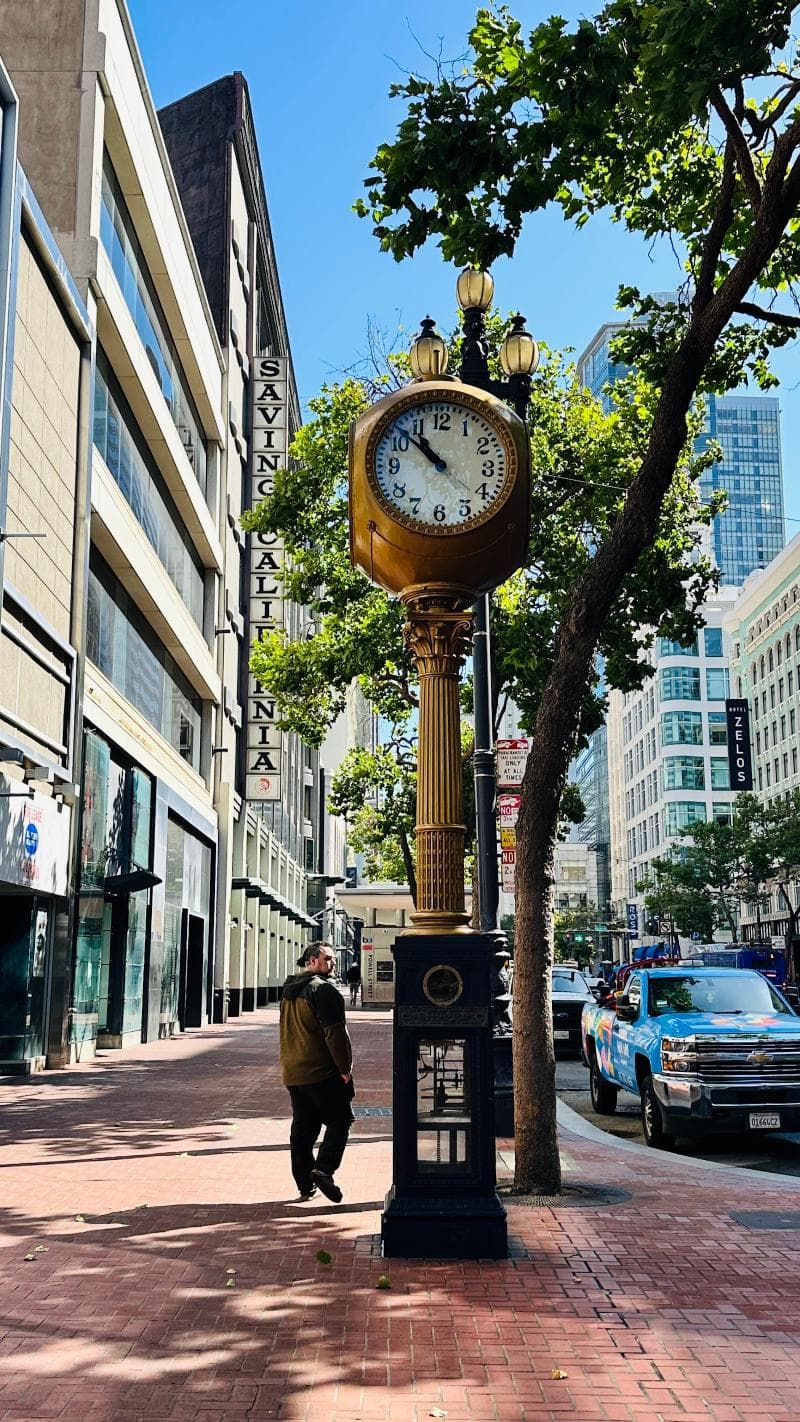
Experience San Francisco's iconic Cable Car Turnaround at Powell and Market, a living historical landmark near Union Square, United States. Witness operators manually spin the cars and embark on a scenic ride.
Overview
Nestled at the bustling intersection of Powell and Market Streets, on the vibrant edge of San Francisco's Union Square, lies a timeless spectacle: the Cable Car Turnaround. This iconic spot serves as the southern terminus for two of the city's three historic cable car lines, the Powell-Hyde and Powell-Mason routes. Here, visitors and locals alike gather to witness a unique and meticulously choreographed dance as skilled operators manually pivot the colossal cable cars on a revolving wooden platform, preparing them for their next journey up San Francisco's famed hills. It's a living piece of history, an engineering marvel, and an essential San Francisco experience that transports you back to a bygone era while offering breathtaking views of the modern city.
The turnaround is a gateway to diverse neighborhoods, from the upscale shops around Union Square to the scenic vistas leading towards Fisherman's Wharf. It's more than just a transportation hub; it's a dynamic stage where the city's past and present intertwine, providing a tangible connection to San Francisco's enduring charm. This spot, though technically not inside Union Square park itself, is intimately linked to the area as Powell Street forms one of the square's borders and is the primary boarding point for the cable cars from downtown.
History & Cultural Background
San Francisco's cable cars, including those found at the Powell Street Turnaround, are the world's last manually operated cable car system and were designated a National Historic Landmark in 1964.
The concept of cable cars was born in San Francisco in 1873, invented by Andrew S. Hallidie, to conquer the city's notoriously steep hills. The Powell-Mason line, one of the two terminating here, began operation in March 1888, becoming the first north-south line to connect downtown with North Beach via Nob Hill. Unlike electric streetcars that emerged later, cable cars proved resilient and vital for navigating San Francisco's unique topography, particularly after the devastating 1906 earthquake.
Over the decades, while many cable car lines were replaced by more modern transportation, the core system, including the Powell Street lines, endured thanks to their ability to tackle the steep grades and persistent public support to preserve this cherished piece of the city's heritage. The manual turnaround process itself has remained largely unchanged for over a century, a testament to its enduring functionality and charm.
What Makes It Special
What sets the Cable Car Turnaround apart is its captivating blend of historical significance and live spectacle. It's not merely a static monument but a fully operational part of San Francisco's public transit system, utilizing 19th-century engineering principles that are still effective today.
The sight of a 15,500-pound cable car being manually pushed and rotated by a small team of operators on a wooden turntable is a truly mesmerizing and unique experience. This intricate process is necessary because the Powell Street cable cars are 'single-ended,' meaning they can only be operated from one end and thus require a complete rotation to change direction at the end of their route.
Beyond the mechanical wonder, the turnaround embodies the spirit of San Francisco—innovative, resilient, and deeply proud of its distinctive character. It offers an authentic glimpse into the city's past, reminding us of the ingenuity required to build a metropolis on such challenging terrain.
Stories, Fun Facts & Local Details
The cable car system runs on cables embedded beneath the streets, moving at a constant speed of about 9.5 miles per hour (15.3 km/h). Each cable is over an inch in diameter, composed of six steel strands wrapped around a sisal rope core, designed for optimal grip and durability. The operators, traditionally known as 'gripmen' or 'gripwomen,' undergo rigorous training to master the car's levers, requiring significant strength and precision to grip and release the underground cable that propels the car.
A notable story includes that of Willa Johnson, who in 2010 became only the second woman in 142 years to be certified as a cable car grip, breaking barriers in a historically male-dominated role. These dedicated individuals are not just drivers; they are keepers of history, often sharing anecdotes and local insights with passengers. You might even hear stories about the famous Cable Car Bell Ringing Contest, a cherished San Francisco tradition.
Visitors often mistake the conductor's role for that of the gripman; while the gripman operates the car's movement, the conductor manages fares and passengers, and applies rear brakes on downhill stretches. These living landmarks have been featured in numerous films and TV shows, solidifying their place in popular culture as symbols of San Francisco.
Visitor Perspective
The Cable Car Turnaround at Powell and Market Streets is an experience of vibrant energy, often bustling with activity. It's a prime location for photography, offering a fantastic opportunity to capture the iconic cable cars in action against the backdrop of downtown San Francisco.
Be prepared for lines, especially during peak hours (mid-day, roughly 11:30 a.m. to 4:00 p.m.), as this is one of the most popular boarding points. To avoid long waits, consider arriving early in the morning or later in the afternoon. An insider tip for a quicker ride is to walk a few blocks uphill along Powell Street and board at a less crowded stop.
A single ride costs $9, but if you plan multiple trips or use other Muni transit, a 1-day Muni Visitor Passport or a Clipper Card can be more cost-effective. Fares can be purchased in advance via the MuniMobile app or Clipper Card, or with exact cash to the conductor at non-terminal stops. Once aboard, hold on tight, and enjoy the exhilarating ride up and down the city's legendary hills, soaking in the panoramic views that make San Francisco truly unforgettable.
Coordinates: -122.4077009, 37.7847118
View on Google Maps💬 How Travelers Describe This Place
Based on community votes
Unique
886Interesting
564Must See
443Beautiful
233Photogenic
201
Traveler Stories
Discover memorable experiences shared by travelers who have visited this place.
No traveler stories yet.
Be the first traveler to share what made this place memorable.

Tour
By
Spot
Discover amazing places around the world. Your journey starts here.
Explore
© 2026 TourBySpot. All rights reserved.