Byzantine Mosaics
Istanbul, Turkey
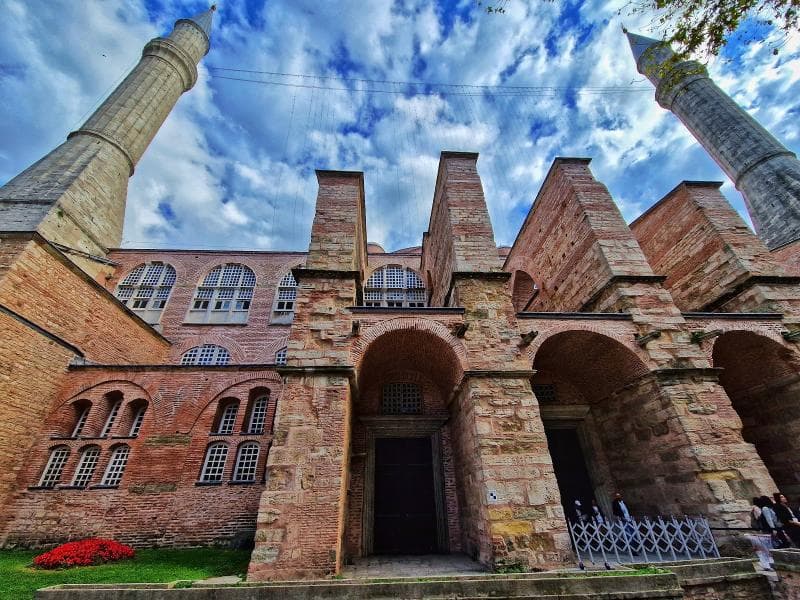

Discover the sublime Byzantine Mosaics within Hagia Sophia in Istanbul, Turkey, showcasing centuries of art, faith, and imperial history.
Overview
Stepping into Istanbul's majestic Hagia Sophia, one is immediately enveloped in centuries of history, where the grandeur of Byzantine mosaics offers a profound glimpse into a bygone era. These glittering works of art, embedded within the very fabric of this iconic structure, are not merely decorations; they are vibrant chronicles of faith, power, and artistic mastery. They tell stories of emperors and empresses, of theological debates, and of the enduring human spirit. Uncovered from beneath layers of plaster, each mosaic panel is a luminous window into the spiritual and cultural heart of the Byzantine Empire.
History & Cultural Background
The history of the Byzantine mosaics within Hagia Sophia is as layered and complex as the building itself. While the original Hagia Sophia, consecrated in 537 CE, primarily featured abstract and non-figurative mosaic work, the figurative masterpieces we admire today largely date from the post-Iconoclasm period, beginning in the 9th century. The Iconoclastic Controversy, during which religious images were banned, left many early Christian mosaics destroyed or covered. Following the Triumph of Orthodoxy in 843 CE, a fervent re-emphasis on sacred imagery led to the creation of stunning new mosaics. These artworks served not only as religious depictions but also as powerful political statements, reflecting imperial patronage and theological affirmations. When Constantinople fell to the Ottomans in 1453, Hagia Sophia was converted into a mosque, and its figural mosaics were gradually covered with plaster, in accordance with Islamic aniconism. For centuries, these masterpieces remained hidden, preserved by their concealment. It wasn't until the 19th century and then significantly in the 20th century, particularly under the leadership of Thomas Whittemore in the 1930s when Hagia Sophia became a museum, that systematic efforts began to uncover and restore them, revealing their splendor once more.
What Makes It Special
What sets Hagia Sophia's Byzantine mosaics apart is their extraordinary blend of technical brilliance, artistic evolution, and profound narrative. Crafted from millions of tiny tesserae – small cubes of glass, stone, or ceramic – often with gold leaf sandwiched between layers of glass, they possess an ethereal shimmer designed to catch and reflect light, creating a truly divine presence. Unlike earlier, more rigid forms of Christian art, these mosaics showcase remarkable depth, shading, and realism, particularly evident in the expressive faces and humanistic styles. The famous Deesis mosaic, dating from the 13th century, is a prime example, renowned for its soft features and emotive portrayal of Christ Pantocrator flanked by the Virgin Mary and John the Baptist. Another iconic piece is the 9th-century Virgin and Child mosaic in the apse, a monumental statement of the restoration of icon veneration, placed strategically above the main altar. The Empress Zoe mosaic, located in the south gallery, is uniquely fascinating for its altered faces, reflecting Zoe's multiple marriages and the dynamic political landscape of the time. These mosaics not only depict religious figures but also integrate imperial portraits, signifying the deep connection between the Byzantine emperors and the Orthodox Church.
Stories, Fun Facts & Local Details
The mosaics whisper tales from a distant past. The Empress Zoe mosaic offers a particularly intriguing story; the faces of her successive husbands were reportedly changed to reflect her current consort, highlighting the intersection of imperial power, personal lives, and the building's artistry. The Virgin and Child in the apse, dating to 867 CE, was a triumphant declaration after the end of Iconoclasm. An inscription, since erased, once proclaimed: 'The images which impostors cast down here pious emperors have again set up,' underscoring its powerful message. The Deesis mosaic, often considered the finest example of Byzantine mosaic art, is notable for its 'humanistic' style, believed to foreshadow the artistic developments of the Renaissance. It features Christ Pantocrator, or 'All-Ruler,' embodying divine authority and compassion. For centuries, some of these mosaics, particularly the Virgin and Child, remained visible even after the Ottoman conquest, as Muslims hold Mary in high esteem. The intricate restoration work undertaken by figures like the Fossati brothers in the 19th century and the Byzantine Institute in the 20th century involved meticulously documenting and carefully uncovering these historical layers, ensuring their preservation for future generations.
Visitor Perspective
For visitors to Hagia Sophia, experiencing the Byzantine mosaics is an awe-inspiring journey through time. Located primarily in the upper galleries, the southwest vestibule, and the apse, these mosaics require a keen eye and a moment of quiet contemplation. To stand before the Deesis, feeling the weight of its history and the striking realism of its figures, is to connect directly with the artistic and spiritual aspirations of the Byzantine Empire. Observing the golden backgrounds shimmer, one can almost imagine the original splendor that once bathed the entire interior, making Hagia Sophia feel like a 'glimpse of heaven on earth'. Each mosaic serves as a powerful reminder of Hagia Sophia’s multifaceted past, from grand cathedral to imperial mosque and then museum, and now again as a mosque, holding within its walls the echoes of diverse civilizations. They invite visitors to look up, to ponder, and to appreciate the enduring legacy of human creativity and devotion in this extraordinary setting.
Coordinates: 28.9747, 41.0052
View on Google Maps💬 How Travelers Describe This Place
Based on community votes
Photogenic
965Must See
894Beautiful
862Unique
443Interesting
184
Traveler Stories
Discover memorable experiences shared by travelers who have visited this place.
No traveler stories yet.
Be the first traveler to share what made this place memorable.

Tour
By
Spot
Discover amazing places around the world. Your journey starts here.
Explore
© 2026 TourBySpot. All rights reserved.