Busking Areas
Seoul, South Korea
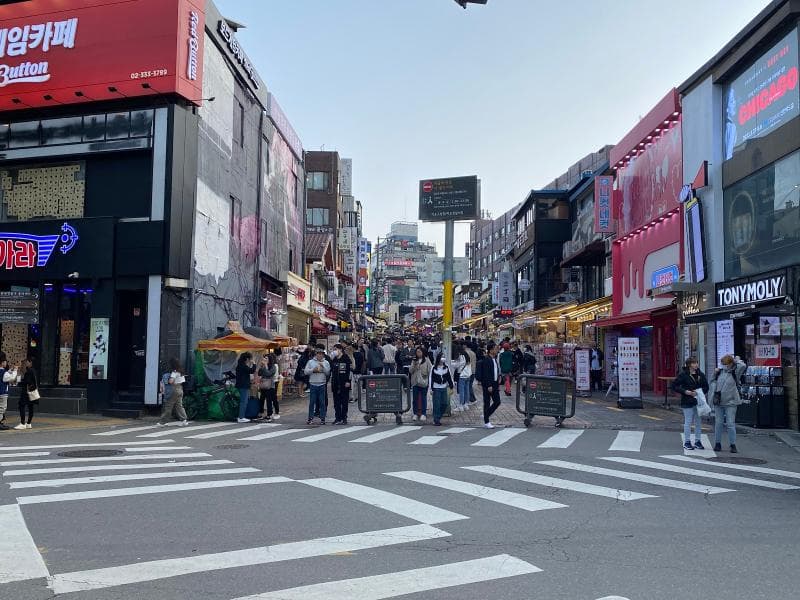
Discover Hongdae's vibrant busking areas in Seoul, South Korea. Explore the history, unique street performances, and local artistry in this dynamic cultural hub.
Overview
Nestled in the vibrant heart of Seoul, South Korea, the Busking Areas of Hongdae offer a dynamic and authentic glimpse into the city's youthful artistic spirit. This energetic district, named after Hongik University, is renowned for its bustling streets that transform into open-air stages, showcasing an array of local talent. From aspiring musicians and dancers to magicians and mime artists, the area pulsates with spontaneous performances, drawing both locals and international visitors into its lively atmosphere. Hongdae's main busking hubs include the Main Underground Plaza near Hongik University Station, the pedestrian-friendly Hongdae Walking Street, and areas along Festival Street and Red Road.
The performances are largely impromptu, happening throughout the day but reaching their peak energy in the late afternoons and evenings, especially on weekends. This organic proliferation of street art is a testament to Hongdae's identity as a cultural incubator, a place where creativity thrives freely, independent of mainstream pressures.
History & Cultural Background
Hongdae's reputation as a hub for busking and indie culture wasn't a planned civic initiative but rather an organic evolution stemming from the late 1990s and early 2000s. The neighborhood's close proximity to Hongik University, celebrated for its fine arts program, attracted a community of artists and students seeking affordable living and creative freedom. With limited traditional venues and more accessible rents, musicians began taking their art to the streets, transforming them into their stages.
This grassroots movement fostered a unique indie music scene, providing an alternative to the polished K-pop industry. Over time, this artistic confluence drew larger crowds, encouraged other forms of street performance, and led to the establishment of small clubs and cafes that supported the burgeoning cultural landscape. Hongdae thus transformed from an industrial area into a vibrant cultural district, driven primarily by its artists and their desire to be heard.
What Makes It Special
What truly sets Hongdae's busking areas apart is their profound authenticity and independent spirit. Unlike many commercialized cultural zones, Hongdae's street performances are not curated for tourists but are a genuine expression of local talent and passion. Artists here perform not for a rigid schedule, but because they have a story to tell, a song to sing, or a dance to share.
The diversity of acts is another remarkable feature. Visitors can encounter everything from melodic acoustic guitarists and powerful vocalists to energetic K-pop dance crews, intricate beatboxers, and captivating magicians. These performances create an immersive environment where the boundary between performer and audience often blurs, fostering a sense of shared experience and discovery. The accessible and democratic nature of Hongdae's street stages makes it a vital proving ground for emerging artists, allowing them to connect directly with their audience and hone their craft in real-time.
Stories, Fun Facts & Local Details
Many now-famous K-pop idols and indie musicians began their careers busking in Hongdae, using the streets as their training ground and a platform to gain exposure. Bands like 10cm and artists who later joined major agencies first showcased their talents in these very areas, making Hongdae a significant part of their origin stories. This highlights Hongdae's role as a true incubator for future stars.
The area near Hongik University Station, particularly the Main Underground Plaza, is a particularly reliable spot to catch performances, with its acoustics enhancing the musical acts. Beyond the spontaneous performances, Hongdae also hosts the Hongdae Free Market on weekends, a vibrant event where artists and craftsmen sell their creations, further enriching the district's creative ecosystem. Designated busking zones, totaling around 11 spots, ensure that performances are organized and enjoyed safely by both artists and spectators.
Visitor Perspective
For a traveler, experiencing the busking areas of Hongdae is an essential part of understanding Seoul's contemporary youth culture. The best time to visit is typically in the late afternoon or evening, especially on Fridays, Saturdays, and Sundays, when the streets are most alive with performers and enthusiastic crowds. Weekday afternoons can offer a more intimate experience with fewer crowds.
Wandering through Hongdae, you don't need a ticket; simply follow the sounds of music and the gathering crowds. The energy is infectious, and you might find yourself cheering along with locals, dancing to a K-pop cover, or captivated by a magician's tricks. Remember that many buskers appreciate cash tips as a way to support their art, though it's not obligatory. Immersing yourself in Hongdae's busking scene offers an unforgettable and authentic cultural experience, showcasing the raw talent and vibrant spirit that defines this unique Seoul neighborhood.
Coordinates: 126.9242, 37.5559
View on Google Maps💬 How Travelers Describe This Place
Based on community votes
Beautiful
972Unique
787Must See
720Interesting
85Photogenic
73
Traveler Stories
Discover memorable experiences shared by travelers who have visited this place.
No traveler stories yet.
Be the first traveler to share what made this place memorable.

Tour
By
Spot
Discover amazing places around the world. Your journey starts here.
Explore
© 2026 TourBySpot. All rights reserved.